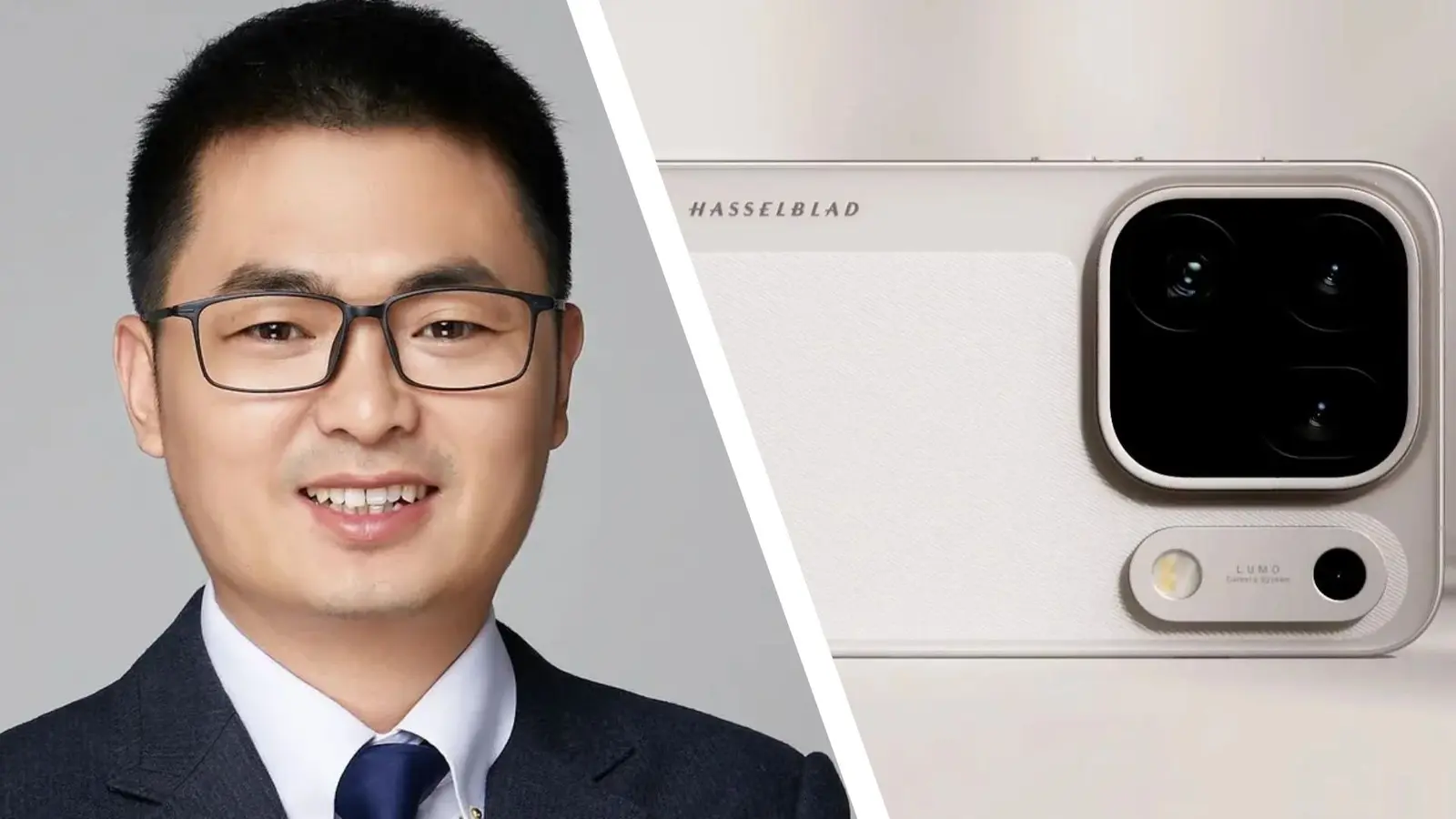
AI‑Driven Customer Engagement
In July, Oppo’s European chief executive revealed the company’s strategy to expand its footprint across the continent, even as global smartphone sales hit a 14‑year low in Q3 2026. The report highlighted a sharp decline in market share for rivals such as Xiaomi and Vivo, prompting Oppo to look for new growth levers.
Latest news
 Corsair Vengeance DDR5-6000 Kit Offers Ideal Speed for AMD Builds
 Hide.me VPN releases major Android update
 Hackers launch massive PHP2Shell attack wave
 Googlebooks are not yet ready for prime time
Oppo’s plan hinges on two pillars: a refreshed product line that blends premium design with competitive pricing, and an investment in artificial‑intelligence tools to enhance customer experience. The CEO explained that the brand will launch a series of mid‑range devices equipped with advanced camera systems, while also partnering with AI developers to integrate conversational assistants into its operating system.
Is Oppo Ready to Capture Market Share?
Oppo believes that chat‑style assistants can differentiate its devices in a crowded market. By integrating a conversational AI layer, the company aims to streamline software updates, simplify troubleshooting, and provide personalized recommendations. „Customers want a phone that feels like a personal assistant,” the CEO said. „Embedding AI directly into the device turns a simple gadget into a useful companion.” The initiative follows a broader industry trend where manufacturers are embedding AI to improve user interfaces and reduce support costs.
The company plans to roll out these features in the next two quarters, with beta testing in select European markets. Early feedback from pilot users indicates a 12% increase in user satisfaction scores compared to last year’s models. Oppo also intends to collaborate with local developers to create region‑specific voice commands, ensuring the assistant speaks in multiple European languages and understands local slang.
A key question remains: can Oppo turn its AI strategy into tangible sales growth? The European smartphone market is dominated by established players, and the recent sales slump has tightened margins across the board. Oppo’s latest devices are priced between €300 and €600, positioning them against both budget brands and mid‑range competitors. The CEO acknowledged the challenge, noting that „penetration will require not just price, but a compelling ecosystem.” To support this, Oppo is building a content partnership with popular European streaming services, offering free trial periods bundled with new purchases.
Outlook for the European Market
The company also plans to expand its retail presence, opening flagship stores in major cities like Berlin, Paris, and Madrid. These stores will showcase the new AI features through interactive demos, allowing customers to experience the assistant’s capabilities firsthand. By combining affordable hardware with AI‑enhanced software, Oppo hopes to attract younger consumers who prioritize connectivity and convenience.
The smartphone industry’s decline in Q3 2026 signals a shift toward consolidation and innovation. Oppo’s focus on AI and localized experiences could position it as a middle‑market disruptor. However, success will depend on the brand’s ability to maintain cost efficiency while delivering high‑quality software updates. If Oppo can sustain its growth trajectory, it may capture a larger slice of the European market, challenging both budget and premium segments.
How will Oppo’s AI assistants differ from existing ones? Oppo’s assistants are built into the device’s core operating system, offering real‑time support for troubleshooting, app recommendations, and personalized content curation, rather than relying on third‑party apps.
Frequently Asked Questions
Will Oppo’s new devices support 5G across Europe? Yes, all upcoming models will include 5G capabilities, ensuring fast connectivity and future‑proofing for users in urban and rural areas alike.
What is Oppo’s pricing strategy for the European market? The brand targets the mid‑range segment, pricing devices between €300 and €600, aiming to balance affordability with premium features such as advanced cameras and AI integration.
Comments
Leave a comment