
Memory Costs Drive Up Phone Prices
Smartphone sales in the United States saw a significant decline in the second quarter of 2026. A recent report indicates a 5% fall in overall unit sales. This downturn is largely attributed to increasing prices, which have particularly impacted the lower-end market.
Latest news
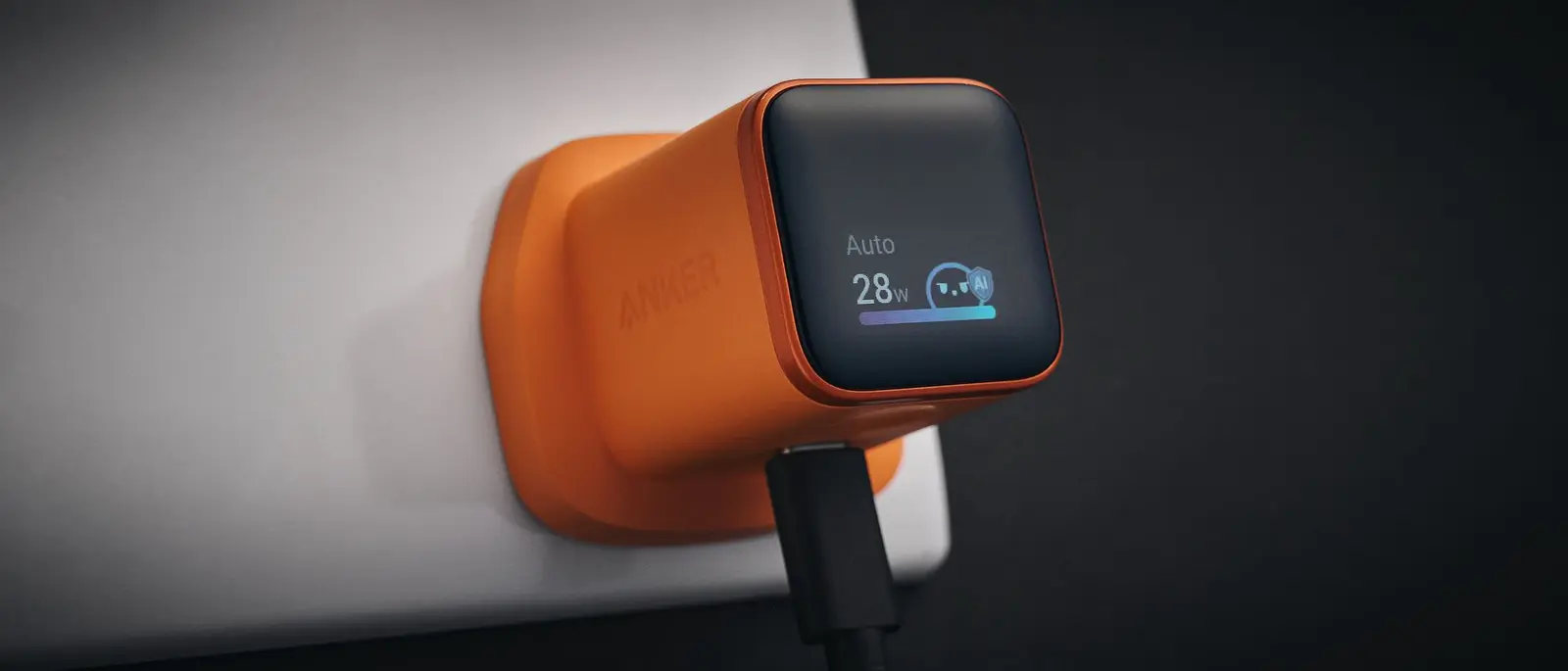 Anker Unveils Playful 45W Charger With Animated Face Display
 Google Docs Web Version Still Missing Native Dark Mode
 Anthropic-Linked Vulnerability Exploited From China, Targets US and Japan
 Text‑Based AI Agents: Your New Digital Assistants
Smaller phone manufacturers faced the brunt of these financial pressures. They struggled to absorb the rising costs of components, especially memory. Larger brands, however, were better positioned to manage these increased expenses.
The primary driver behind the price hikes was the surging cost of memory components. This directly affected the production expenses for all smartphone makers. Entry-level devices, which typically operate on tighter margins, were hit hardest. Consumers looking for affordable options found fewer choices.
How Did Larger Brands Cope Better?
This situation created a challenging environment for smaller companies. They often lack the purchasing power of industry giants. Consequently, their ability to compete on price was severely hampered, leading to reduced sales volumes.
Larger smartphone companies benefited from their scale and established supply chains. They could negotiate better deals with component suppliers. This allowed them to absorb some of the increased memory costs without drastically raising their retail prices. Their broader product portfolios also provided more flexibility.
These companies could offset losses in one segment with stronger performance elsewhere. This strategic advantage further widened the gap between major players and their smaller competitors. The market became even more consolidated as a result.
The outlook suggests continued pressure on the smartphone market. Consumers may face higher prices for new devices. Manufacturers will need to find innovative ways to manage costs or risk losing market share.
Frequently Asked Questions
What caused the decline in US smartphone sales? The main reason for the sales drop was a 5% decrease in units sold during Q2 2026. This was primarily due to rising smartphone prices, driven by increased memory component costs.
Which manufacturers were most affected by the price increases? Smaller smartphone manufacturers were hit particularly hard. They found it difficult to absorb the rising costs of components, unlike larger brands which had more financial flexibility.
What is the expected future trend for smartphone prices? Prices are likely to remain high or continue to increase. Manufacturers will need to adapt their strategies to manage these elevated production costs, impacting consumer affordability.
Comments
Leave a comment