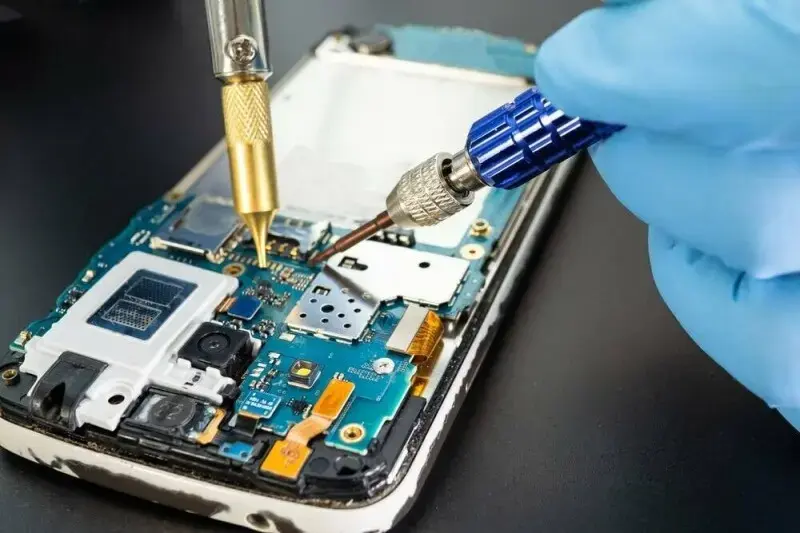
The Transparency Gap in Mobile Hardware
Most smartphone manufacturers are failing to meet strict European Union repairability standards. Despite new regulations designed to extend device lifespans, the vast majority of current handsets lack essential repair information for consumers. Companies continue to issue self-assessed high scores for sustainability while withholding the practical data needed for independent maintenance.
Latest news
 Anker Unveils Playful 45W Charger With Animated Face Display
 Google Docs Web Version Still Missing Native Dark Mode
 Anthropic-Linked Vulnerability Exploited From China, Targets US and Japan
 Text‑Based AI Agents: Your New Digital Assistants
The European Union introduced these requirements to combat electronic waste and promote a circular economy. Officials expected companies to provide clear manuals and spare parts access. However, internal industry practices remain largely unchanged. Manufacturers appear to be prioritizing closed-loop ecosystems over the transparency demanded by regulators.
The discrepancy between corporate marketing and actual device accessibility is widening. While brands frequently advertise their commitment to eco-friendly design, they rarely share technical schematics or component-level repair guides. This behavior creates a significant barrier for users who wish to fix their phones rather than replace them.
Are Self-Reported Sustainability Scores Meaningless?
Independent repair shops report that obtaining official tools and documentation remains nearly impossible. Major tech firms often restrict access to proprietary software locks. These measures effectively prevent unauthorized repairs, forcing consumers toward expensive manufacturer-authorized service centers or premature upgrades.
Critics argue that allowing companies to grade their own repairability is a fundamental flaw in the current regulatory framework. These internal metrics often ignore real-world challenges, such as the use of permanent adhesives or non-standard screws. Without independent verification, these high ratings serve as little more than greenwashing tools.
Frequently Asked Questions
The lack of compliance threatens to undermine the EU’s long-term environmental goals. If manufacturers continue to obstruct repair efforts, the volume of discarded electronics will likely increase. Future enforcement actions may be necessary to ensure that companies prioritize longevity over planned obsolescence.
Why are smartphone companies resisting repair mandates? Manufacturers often prioritize proprietary control and revenue from authorized service centers. Providing repair information can also complicate their design processes and supply chain logistics.
What is the main consequence of this lack of transparency? Consumers are forced to discard functional devices due to minor hardware issues. This leads to increased electronic waste and higher costs for device owners.
Comments
Leave a comment