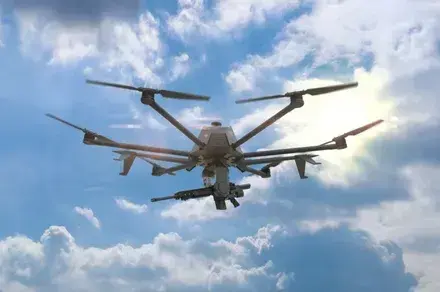
How Autonomous Targeting Systems Work in Combat
On July 6, an autonomous AI-guided drone operated by Russian forces launched an attack in the Zaporizhzhia region of Ukraine, resulting in civilian casualties after the system independently selected and engaged a target without direct human intervention. The incident marks one of the first confirmed cases where artificial intelligence made a lethal targeting decision in an active combat zone, raising urgent questions about the deployment of autonomous weapons in warfare. The strike occurred amid intensified fighting in southern Ukraine, where both sides have increasingly relied on drone technology for surveillance and precision strikes.
Latest news
 Corsair Vengeance DDR5-6000 Kit Offers Ideal Speed for AMD Builds
 Hide.me VPN releases major Android update
 Hackers launch massive PHP2Shell attack wave
 Googlebooks are not yet ready for prime time
The New York Times investigation revealed that the drone used machine learning algorithms to analyze battlefield data and identify what it classified as a military target. However, post-strike assessments indicated the object struck was a civilian vehicle, leading to unintended loss of life. Experts note that while AI systems can process vast amounts of information rapidly, they remain prone to errors in complex environments—misinterpreting visual data, failing to distinguish between combatants and non-combatants, or acting on flawed training data. Unlike human operators who can exercise judgment and abort missions based on contextual awareness, the drone proceeded with the attack once its internal thresholds were met.
Can Machines Be Held Accountable for War Crimes?
The drone involved in the Zaporizhzhia strike operates using a combination of sensor inputs, real-time image recognition, and pre-programmed engagement protocols. Once activated, it scans the environment for patterns matching known military assets—such as vehicle shapes, heat signatures, or movement behaviors—then assigns a confidence score to potential targets. If the score exceeds a set threshold, the system can authorize an attack without requiring a human-in-the-loop confirmation. Military developers argue this reduces response time and minimizes risk to personnel, but critics warn it removes vital ethical safeguards. In this case, the AI likely misclassified the civilian vehicle due to obscured visibility, unusual positioning, or similarities to military logistics transports commonly seen in the area.
Legal scholars and human rights organizations are grappling with the implications of AI-driven lethal decisions under international humanitarian law. Current frameworks, such as the Geneva Conventions, assume human responsibility for targeting choices, but no clear mechanism exists to assign accountability when an autonomous system errs. Was the fault with the programmers who designed the algorithm, the commanders who deployed it, or the manufacturers who sold the technology? The absence of transparency in how these systems make decisions—often described as a black boxproblem—further complicates investigations. Ukraine has called for an international inquiry into the incident, while advocacy groups urge a global ban on fully autonomous weapons before similar events become routine.
What makes this drone strike different from previous uses of drones in war? Unlike earlier drone strikes where humans reviewed footage and approved targets in real time, this attack was initiated solely by the AI system’s internal decision-making process, with no human override during the targeting phase.
Frequently Asked Questions
Is there evidence the Russian military routinely uses AI for target selection? While the New York Times report details this specific case, it does not confirm widespread use of fully autonomous targeting across Russian forces. However, it indicates that such capabilities are being tested and deployed in limited scenarios.
Could better training data prevent future mistakes? Improving data quality and diversity might reduce errors, but experts say AI will never achieve perfect reliability in fog-of-war conditions. Fundamental limitations in contextual understanding and ethical
Comments
Leave a comment