The Critical Role Of Human Defined Boundaries
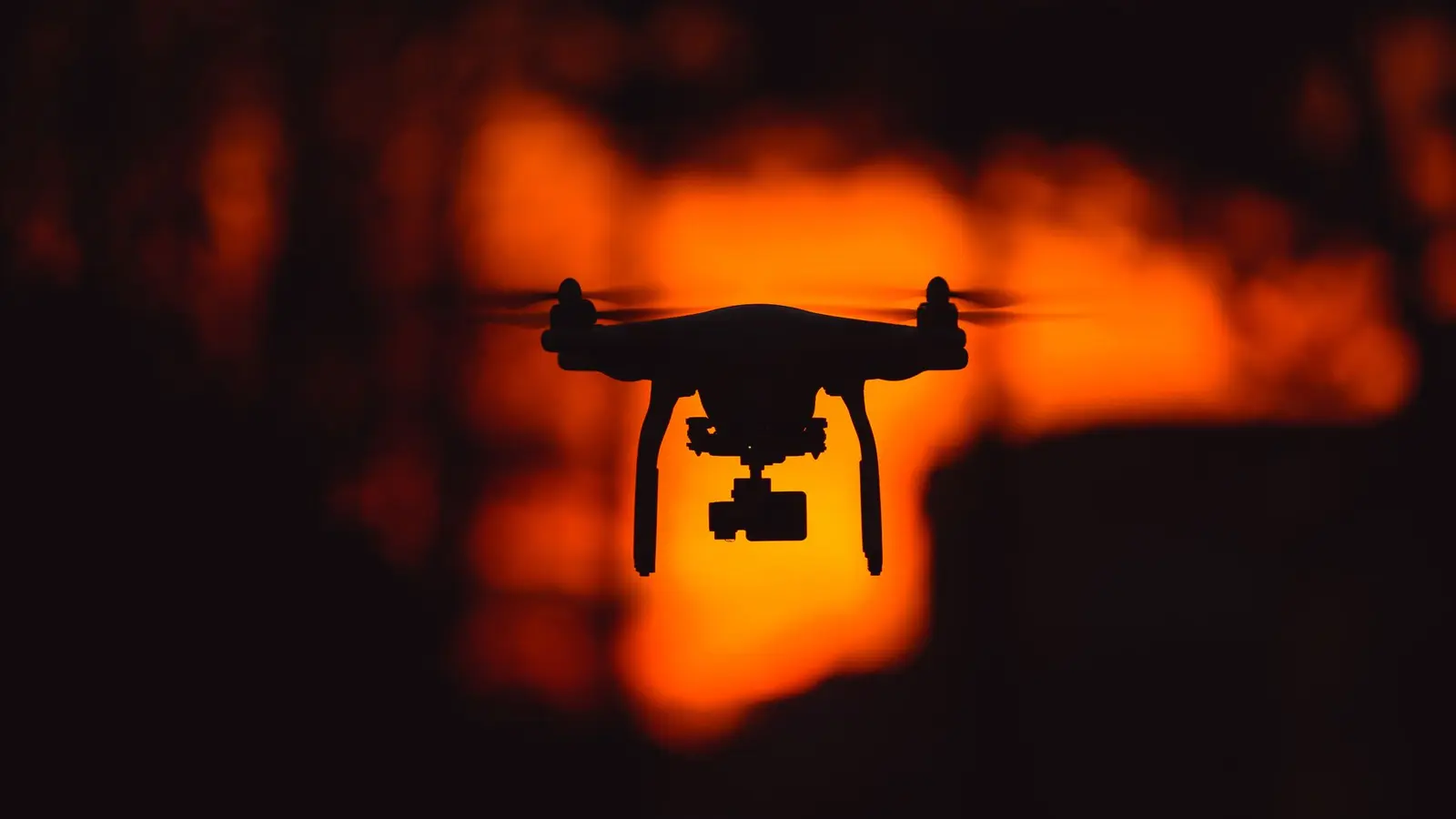
A Swedish test flight marked a significant milestone for autonomous warfare. The BAE Systems ALMA drone operated under NATO support. Its onboard artificial intelligence identified a target without direct human command. The system ranked potential threats and selected the best option. It then executed a strike against the chosen objective. This event highlights the growing role of AI in modern military operations. The test took place recently, demonstrating advanced capabilities in real-world conditions.
Latest news
 Anker Unveils Playful 45W Charger With Animated Face Display
 Google Docs Web Version Still Missing Native Dark Mode
 Anthropic-Linked Vulnerability Exploited From China, Targets US and Japan
 Text‑Based AI Agents: Your New Digital Assistants
The core technology behind this achievement is the Scaleout system. This software allows the drone to process sensor data independently. It evaluates multiple targets based on predefined criteria. The AI determines which target poses the greatest threat or value. Once a selection is made, the drone initiates the attack sequence. No pilot was required to press a button during the final phase. However, the system did not operate in a vacuum. It relied heavily on digital maps created by human operators. These maps defined the operational boundaries and target zones. Without this human-drawn framework, the AI would lack the necessary context to function effectively.
While the AI handled the tactical decision, humans set the strategic stage. Operators provided the geographical limits within which the drone could act. This dependency raises important questions about autonomy. If the map is flawed, the AI’s decisions may be flawed too. The system cannot easily correct for errors in the underlying data. It trusts the input it receives from human sources. This hybrid approach blends machine speed with human oversight. It ensures that the drone stays within approved areas. Yet, it leaves room for debate about true independence. Critics argue that relying on static maps reduces the system’s adaptability. In dynamic environments, fixed boundaries might become obsolete quickly. The success of this test depends entirely on the accuracy of the initial setup.
Can The System Be Stopped Mid Flight
A major concern remains regarding emergency halts. Humans assigned the mission parameters initially. But no clear explanation exists on how to stop the drone once it is executing. If the AI selects a target, can a human override the action? The latency between detection and strike is minimal. This speed is an advantage in combat but a risk in control. Operators need reliable methods to interrupt the sequence. Current reports suggest the system lacks a simple kill switch. This gap in understanding creates uncertainty for future deployments. Military leaders must address this before scaling up usage. Trust in autonomous systems requires confidence in their controllability. Without clear stop mechanisms, the risk of unintended strikes increases.
The outcome of this test signals a shift in air power doctrine. Nations are moving toward faster, smarter aerial platforms. The integration of AI into the kill chain is no longer theoretical. It is now a tested reality. Future missions will likely rely on similar hybrid models. Humans will continue to draw the maps and set the rules. Machines will handle the rapid execution. This balance aims to maximize efficiency while retaining accountability. As technology advances, the line between human and machine control will blur further. The next step involves testing these systems in more complex scenarios. The goal is to achieve full autonomy without losing essential oversight.
Frequently Asked Questions
Did a human pilot control the drone during the strike? No, the onboard AI selected and struck the target autonomously. Human pilots were not involved in the final decision-making process.
What specific data did the AI rely on to make its choice? The system used sensor data combined with a human-drawn map. This map defined the valid operational area for the drone.
Is this the first time an AI has struck a target? This test represents a significant milestone for NATO-backed systems. It demonstrates successful autonomous ranking and striking in a live environment.
Comments
Leave a comment