The True Price Tag Behind a New Pack
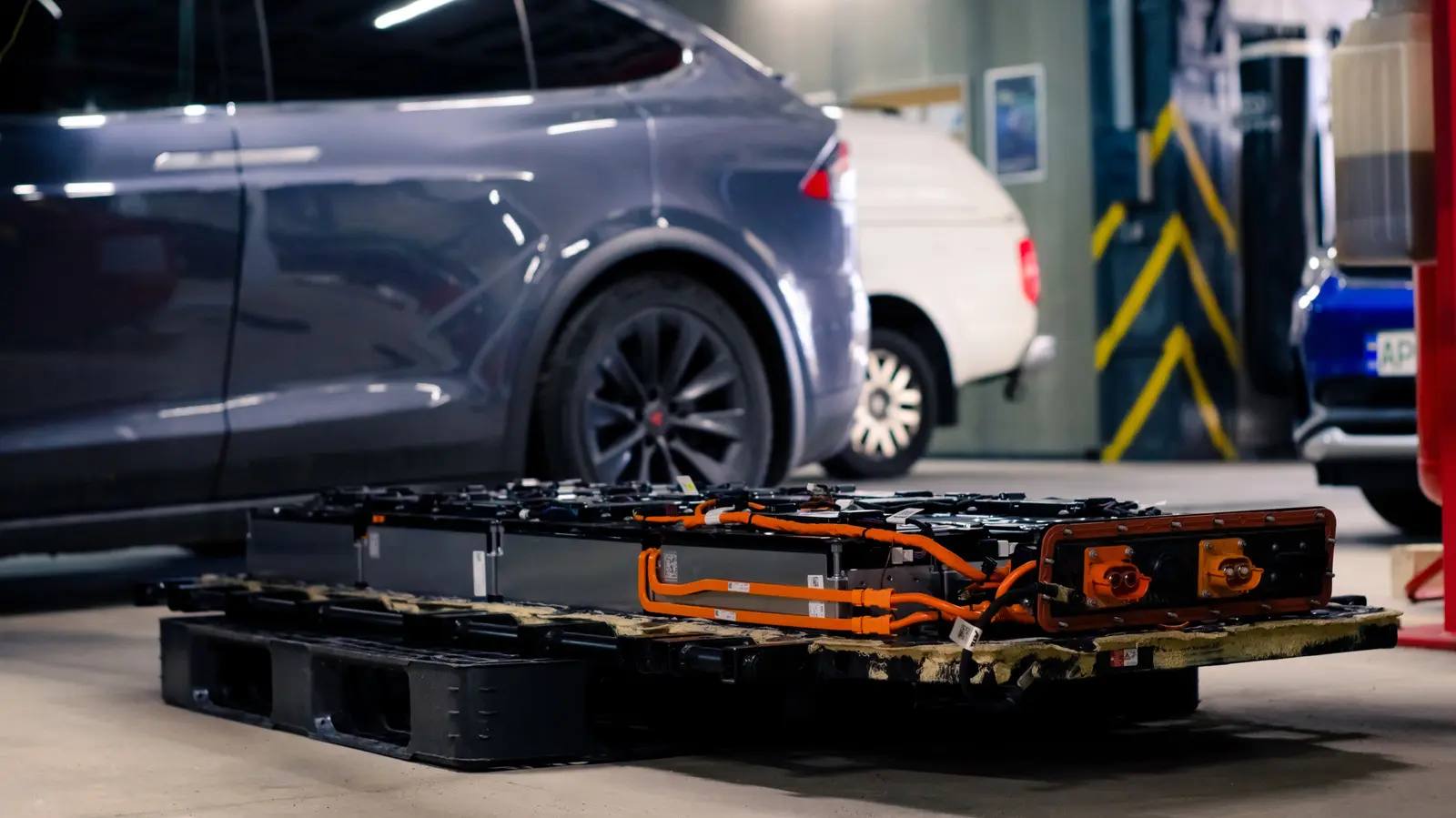
A Tesla owner whose vehicle’s battery warranty has expired may face a replacement bill exceeding $20,000. The expense includes more than just the battery pack; labor, diagnostics, and potential module swaps add to the total. Owners must decide whether to replace, repair, or retire the car once the warranty lapses.
Latest news
 Drupal Fail2Install RCE Flaw Added to CISA KEV Catalog
 Turnitin Confirms Cyberattack on Customer-Facing Systems
 AI coding agents are moving beyond code generation
 Microsoft Resolves Critical Bug Blocking Office App Access
Tesla’s battery packs are engineered for longevity, often lasting 300,000 miles or more. Yet, as the cells age, capacity drops, leading to reduced range and performance. When the warranty period—typically eight years or a set mileage—ends, the manufacturer no longer covers the cost of a new pack. Replacement involves removing the old assembly, installing a fresh one, and calibrating the vehicle’s software, all of which require specialized technicians and equipment. The high price reflects the complex engineering of the pack, the scarcity of replacement modules, and the labor intensity of the job.
A brand‑new Tesla battery pack can cost between $12,000 and $15,000, depending on the model and capacity. Labor rates at Tesla service centers often range from $1,500 to $3,000, reflecting the need for certified technicians and specialized tools. Additional fees may arise from diagnostic testing, software updates, and disposal of the old pack, which can add another $1,000 to $2,000. Some owners report total invoices approaching $25,000 for a Model S replacement, while a Model 3 may be slightly cheaper but still tops $18,000.
Should You Replace the Battery or Seek Alternatives?
Owners who opt for third‑party refurbishers sometimes see lower prices, but these options carry risks. Refurbished packs may lack the same warranty coverage and could affect vehicle resale value. Tesla’s official service remains the most reliable, albeit the most expensive, route.
Many drivers wonder whether a full pack swap is worth it, especially if the car is older. Experts suggest evaluating the remaining range, the vehicle’s overall condition, and the cost of a comparable used Tesla. If the car still runs well and the owner plans to keep it for several more years, a replacement can extend its life and preserve resale value. Conversely, if the vehicle is approaching the end of its useful life, selling it as‑is or trading it in for a newer model may be more economical.
Financial calculators show that, over a typical five‑year ownership span, the added cost of a post‑warranty battery can erode the savings gained from electric driving. Some owners mitigate this by purchasing extended service plans before the warranty expires, locking in a lower replacement price.
The high cost of battery replacement underscores the importance of proactive maintenance and realistic expectations about an EV’s lifespan. As battery technology improves and recycling becomes more efficient, future owners may see lower prices, but for now, the expense remains a significant consideration for Tesla enthusiasts.
Frequently Asked Questions
What is the average lifespan of a Tesla battery before it needs replacement? Most Tesla batteries retain about 70‑80% of their original capacity after 300,000 miles or eight years, at which point owners often consider replacement.
Can I replace individual modules instead of the whole pack? Tesla typically replaces the entire pack; swapping individual modules is not standard practice and can void remaining warranties.
Are there any financing options for battery replacement? Tesla and some third‑party service centers offer financing plans, allowing owners to spread the cost over several months, though interest rates vary.
Comments
Leave a comment