Why Apple Prioritizes Thinness Over Repair Access
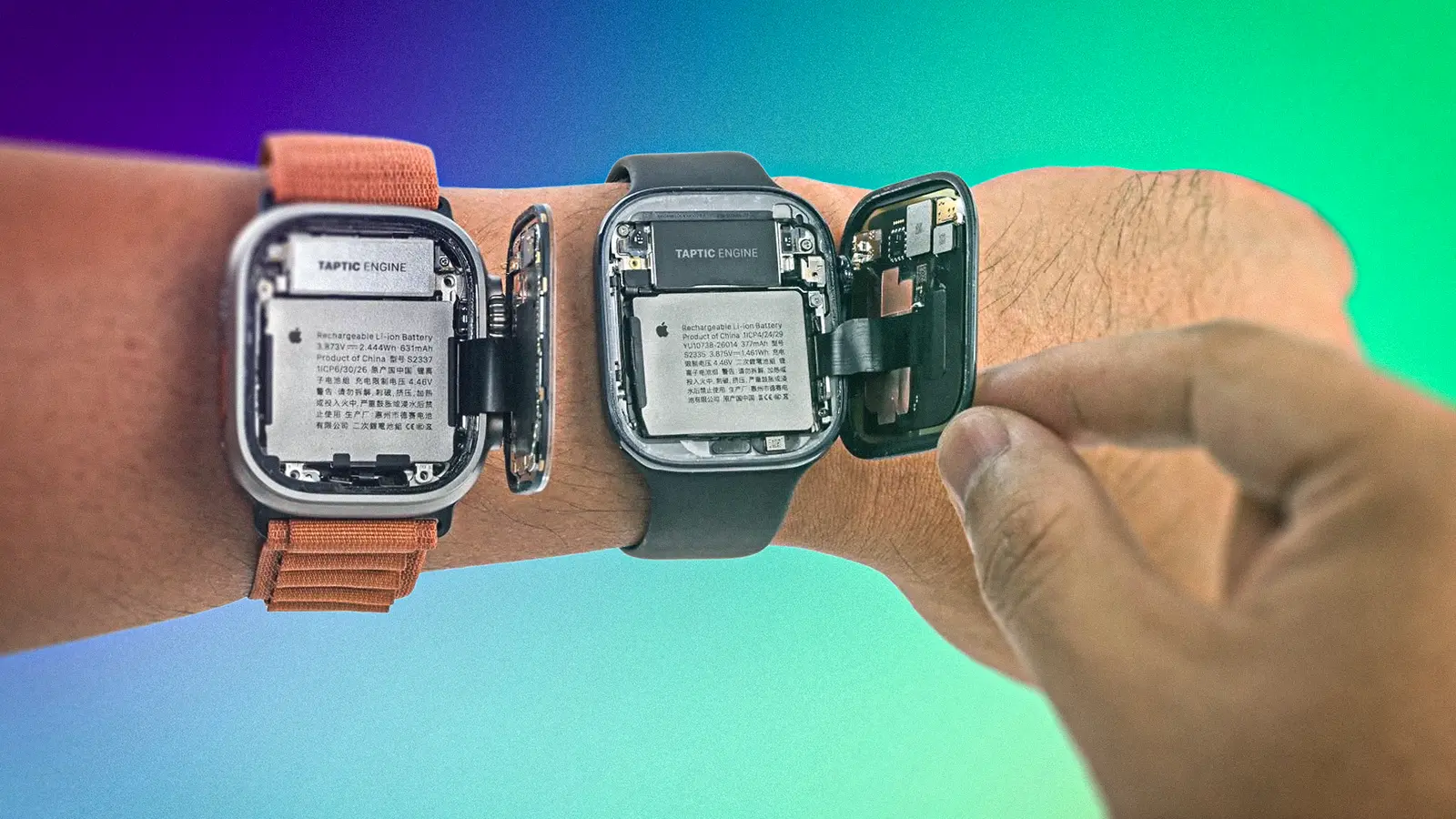
Recent teardowns by i Fixit show that Apple’s latest wearable devices continue to pose significant challenges for users attempting to replace batteries. The analysis focused on the newest Apple Watch Series 9 and AirPods Pro (2nd generation), revealing that internal construction still prioritizes slim design over serviceability. While Apple has made incremental improvements in other product lines, its wearables remain largely inaccessible for DIY repairs, particularly when it comes to battery access.
Latest news
 Major AI firms recorded peak lobbying expenses last summer
 Apple Magic Keyboards for iPad Drop to Half Price at Woot
 Microsoft Provides Fix for Broken Exchange Online Apps
 Security Breach at AI Aggregator Exposes 18 Million Files and Private Chats
The teardown process highlighted several recurring obstacles. Adhesive is heavily used to secure components, making disassembly risky without specialized tools. Batteries are soldered directly to the logic board in both devices, eliminating the possibility of simple swap-outs. In the AirPods Pro, the earbuds’ compact shell leaves little room for manipulation, increasing the chance of damage during any attempt to open them. i Fixit noted that even with proper tools, the likelihood of successfully replacing a battery without causing collateral damage remains low. The Apple Watch, though slightly more accessible due to its larger size, still requires removing the display—a fragile component bonded strongly to the frame—before reaching the battery.
Can Users Expect Better Repairability in Future Models?
Apple’s design philosophy continues to emphasize minimal thickness and seamless aesthetics, especially in products worn on the body. This approach limits the use of screws, modular connectors, or easy-access panels that would facilitate repairs. Instead, the company relies on custom adhesives and integrated assemblies to achieve water resistance and durability. While these choices enhance user experience and device longevity under normal conditions, they create barriers when components degrade over time. i Fixit’s technicians pointed out that although Apple offers battery replacement through its official service channels, the cost and turnaround time may deter users, especially compared to the simplicity of swapping a battery in many competing wearables.
Despite growing pressure from right-to-repair advocates and environmental regulators, Apple has not indicated plans to redesign its wearables for easier battery access. The company maintains that its current approach ensures optimal performance, safety, and water resistance. However, critics argue that sacrificing repairability contributes to electronic waste, particularly given the relatively short lifespan of rechargeable batteries in small devices. Until design changes occur, users seeking to extend the life of their Apple Watch or AirPods will likely need to rely on Apple’s authorized service providers—or consider upgrading when battery performance declines.
Are Apple Watch batteries user-replaceable? No, the battery in the Apple Watch is not designed for user replacement. It is soldered to the internal circuitry and requires professional tools and expertise to access, making DIY attempts impractical and risky.
Frequently Asked Questions
Can I replace the battery in my AirPods Pro at home? Replacing the battery in AirPods Pro at home is not feasible for most users. The earbuds are sealed with strong adhesive, and the battery is permanently attached, meaning any attempt to open them risks irreversible damage.
Does Apple offer battery replacement services for wearables? Yes, Apple provides battery replacement for both Apple Watch and AirPods through its retail stores and authorized service providers, though pricing varies and may approach the cost of a new device depending on the model.
Comments
Leave a comment