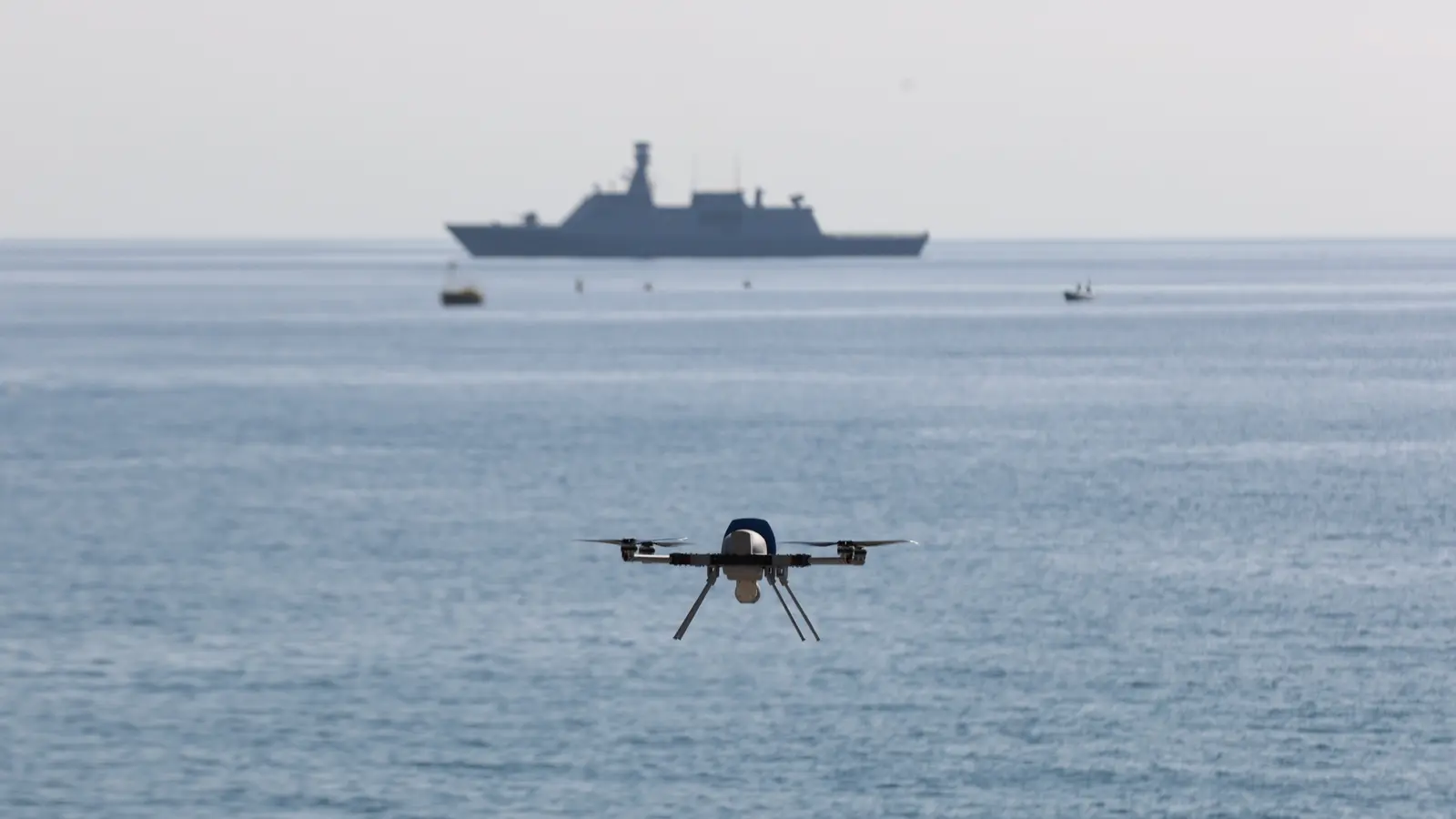
Strengthening Maritime Surveillance Capabilities
Taiwan’s Ocean Affairs Council is currently developing an advanced autonomous system designed to manage coordinated drone fleets. This technology aims to counter increasing grey-zone military maneuvers near the island. By utilizing autonomous flight paths, the system will allow drones to execute complex missions without requiring constant human intervention or manual control.
Latest news
 Smart TVs frequently lose their Wi-Fi connection, leaving viewers staring at a spinning loading icon
 Why Ignoring Car Software Updates Is Risky
 Apple's foldable iPhone Duo introduces dual-display multitasking capabilities
 FCC Weighs Reciprocal Limits on Foreign Satellite Firms
The project involves a strategic partnership with National Cheng Kung University. Researchers have already successfully completed initial testing phases for the underlying technology. This initiative focuses on creating a unified network capable of integrating various drone models into a single, responsive swarm. The goal is to provide a robust defense mechanism against non-kinetic military activities.
Grey-zone tactics typically involve activities that fall below the threshold of open warfare but still challenge territorial sovereignty. These often include the use of coast guard vessels or maritime militias to assert pressure. By deploying autonomous swarms, Taiwan intends to improve its situational awareness across vast maritime zones.
How Will Autonomous Swarms Change Defensive Strategy?
The system is designed to operate in challenging environments where communication signals might be disrupted. Each drone in the fleet will share data to maintain a cohesive formation. This collaborative intelligence allows the swarm to track movements and monitor suspicious vessels effectively. The technology significantly reduces the workload on human operators during long-duration patrols.
The integration of artificial intelligence into drone operations represents a major shift in Taiwan’s defense posture. Rather than relying on individual units, the military can deploy a synchronized network that reacts instantly to changing conditions. This scalability ensures that the island can monitor multiple sectors simultaneously without stretching human resources thin.
Frequently Asked Questions
Looking ahead, the Ocean Affairs Council plans to refine the system for broader deployment. The successful implementation of these drone swarms could serve as a model for future regional security strategies. By automating routine surveillance, Taiwan aims to maintain stability while deterring aggressive maneuvers in its surrounding waters.
What is the primary purpose of these drone swarms? The swarms are designed to monitor and counter grey-zone maritime activities. They provide an automated, coordinated response to pressure tactics that avoid direct military conflict.
How do these drones operate without human control? The system uses advanced algorithms to coordinate flight paths and data sharing between units. This allows the fleet to function as a single, autonomous network during missions.
Comments
Leave a comment