How the Drone Interprets Pilot Intent
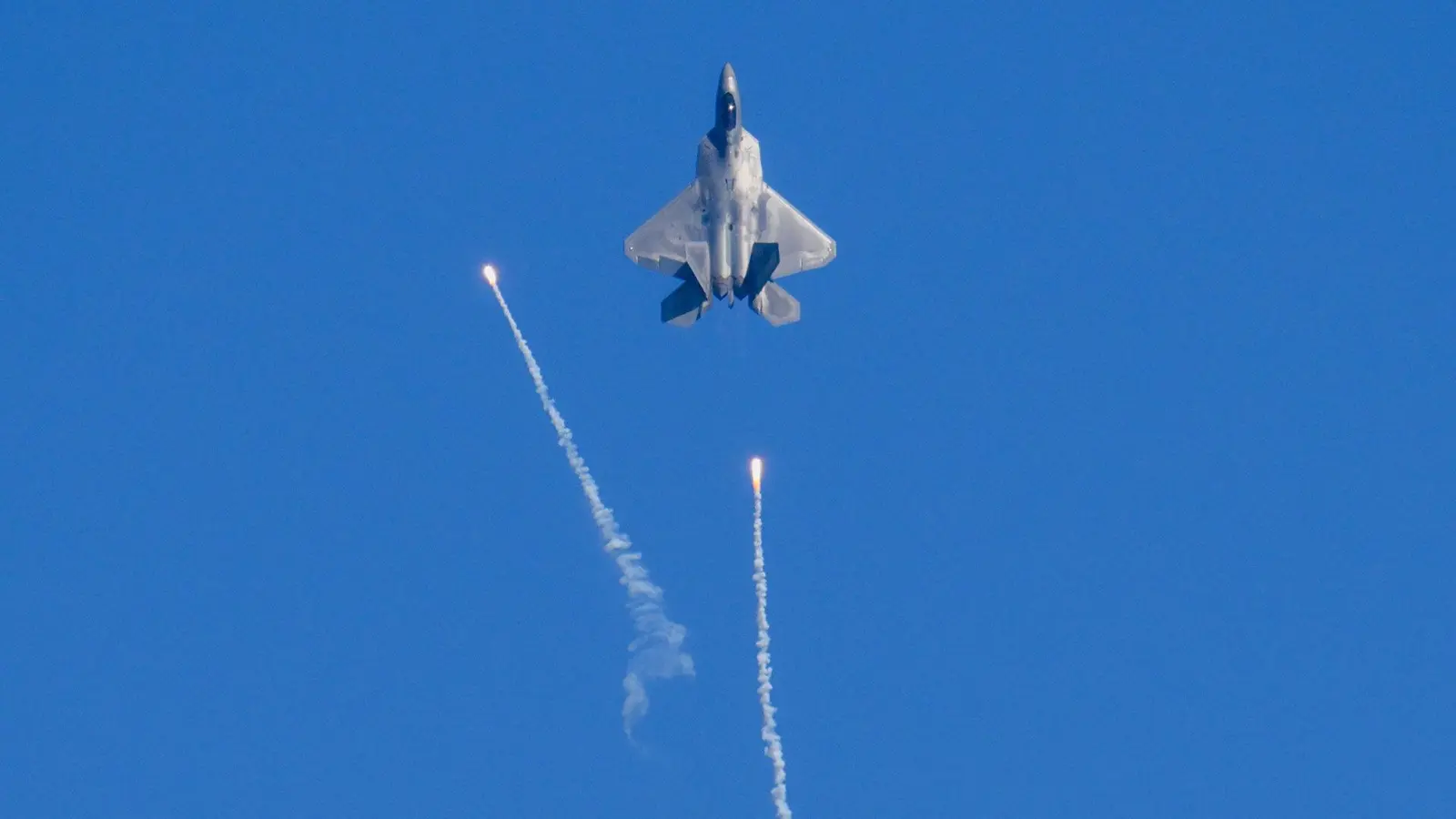
An F-22 Raptor pilot successfully directed an Anduril YFQ-44A Fury drone during a recent airborne simulation, marking a key step in the U. S. Air Force’s effort to integrate loyal wingman aircraft into combat operations. The test took place in a controlled environment where the fighter jet’s pilot issued real-time tactical commands to the autonomous drone, which interpreted them into specific flight maneuvers and mission tasks. This demonstration validated the drone’s ability to act as a responsive wingman under pilot supervision.
Latest news
 Major AI firms recorded peak lobbying expenses last summer
 Apple Magic Keyboards for iPad Drop to Half Price at Woot
 Microsoft Provides Fix for Broken Exchange Online Apps
 Security Breach at AI Aggregator Exposes 18 Million Files and Private Chats
The YFQ-44A Fury, developed by defense technology firm Anduril, is designed to operate alongside manned fighters like the F-22, extending sensor range and firepower while reducing risk to aircrew. During the test, the pilot’s inputs were translated into actionable behaviors by the drone’s onboard autonomy systems, allowing it to adjust its flight path, maintain formation, and simulate engagement scenarios without direct remote control. Officials noted that the seamless interaction between pilot and drone highlights progress in human-machine teaming, a core component of the Air Force’s Next Generation Air Dominance strategy.
Can This Technology Scale to Other Aircraft?
The Fury drone uses machine learning algorithms to convert high-level tactical instructions—such as „flank left” or „suppress threat”—into precise aerodynamic and navigational actions. Rather than following pre-programmed routes, the drone assesses the battlespace and selects optimal maneuvers to fulfill the pilot’s goal. This level of interpretive autonomy reduces cognitive load on the pilot while increasing tactical flexibility. Engineers emphasized that the system is designed to defer to human judgment, ensuring the pilot retains ultimate authority over weapon release and engagement decisions.
Air Force officials indicated that the success with the F-22 could inform future integration of loyal wingman drones with other platforms, including the F-35 and upcoming NGAD fighters. The YFQ-44A’s open architecture allows for software updates and mission-specific reconfiguration, making it adaptable to various combat roles such as electronic warfare, reconnaissance, or missile delivery. While no timeline has been set for operational deployment, the test results are being used to refine requirements for future drone contracts and pilot training programs.
What is the primary role of the YFQ-44A Fury in combat? The YFQ-44A Fury is designed to act as an autonomous wingman, extending the reach and capabilities of manned fighters by performing tasks such as surveillance, electronic attack, or carrying additional weapons under pilot direction.
Frequently Asked Questions
How does the pilot maintain control during drone operations? The pilot provides high-level commands through existing cockpit interfaces, and the drone’s autonomy system executes them while continuously monitoring for safety and mission compliance, with the ability to abort or adjust actions if needed.
Is the drone armed in these tests? The simulated combat test focused on command and control, flight coordination, and tactical behavior; no live weapons were used or released during this phase of evaluation.
Comments
Leave a comment