
Why Choose Portability?
Portable applications offer a flexible alternative to traditional software installations on Windows. These apps can run directly from USB drives or cloud storage, making them ideal for users who frequently switch devices or prefer a streamlined experience.
Latest news
 Major AI firms recorded peak lobbying expenses last summer
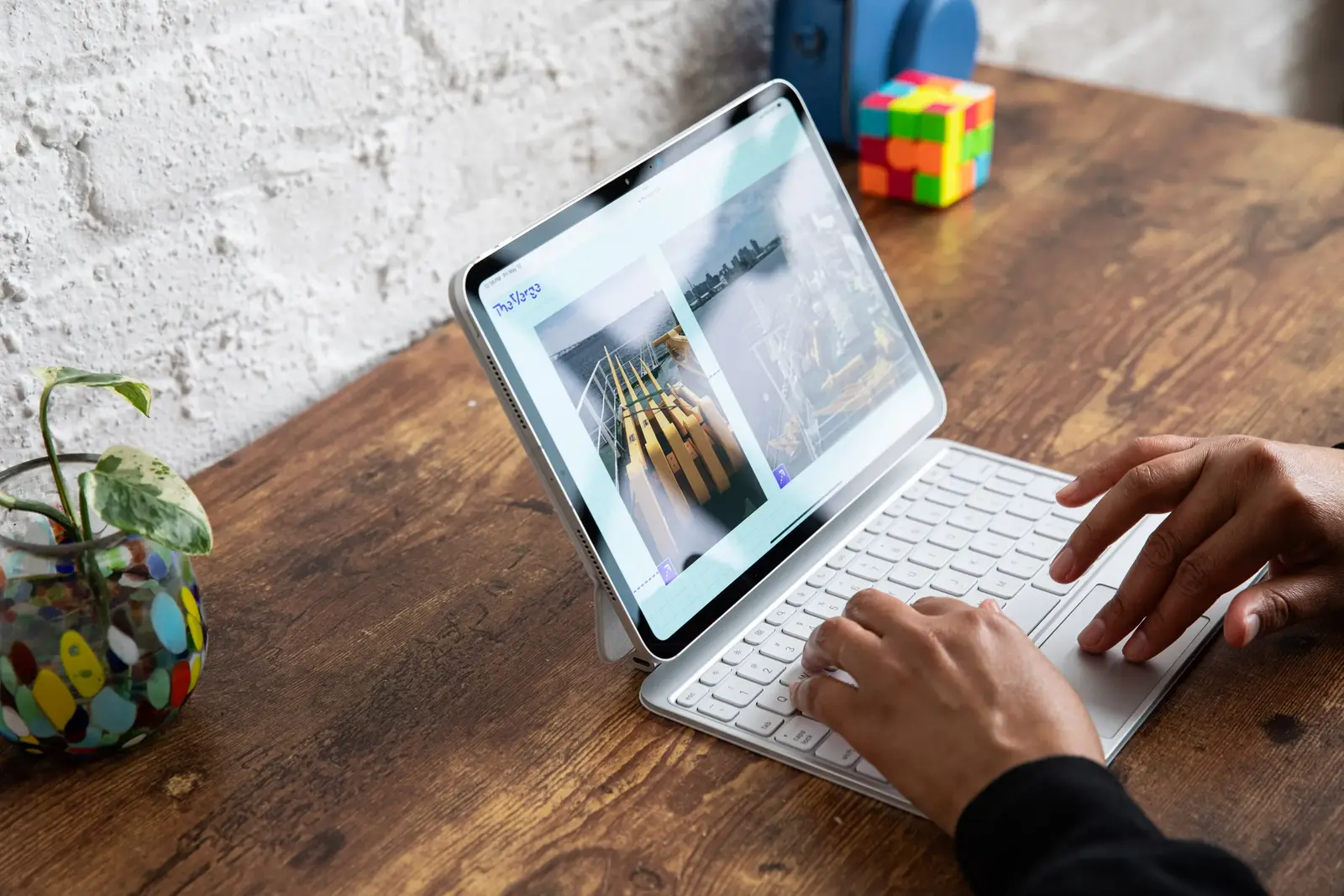 Apple Magic Keyboards for iPad Drop to Half Price at Woot
 Microsoft Provides Fix for Broken Exchange Online Apps
 Security Breach at AI Aggregator Exposes 18 Million Files and Private Chats
Unlike conventional applications, portable apps do not require installation on a computer. This means they can be used on various systems without leaving traces behind. This portability not only saves time during setup but also avoids cluttering the host system with unnecessary files. Users can simply download and run the application, making it a convenient option for those who value efficiency.
The primary benefit of portable apps is their ability to maintain user settings and preferences across different devices. For professionals who work in multiple locations, this feature is invaluable. It allows for a consistent experience without the hassle of reconfiguring settings each time. Additionally, portable apps often consume fewer system resources, as they do not integrate deeply into the operating system.
Are Portable Apps Right for Everyone?
Security is another crucial advantage. Portable apps can be stored on encrypted drives, reducing the risk of data breaches. Users can carry their applications and files securely, ensuring sensitive information remains protected. This is particularly relevant for individuals who handle confidential data or work in industries with strict compliance requirements.
While portable apps offer several benefits, they might not be suitable for all users. Some applications, particularly those that require extensive integration with the operating system, may not function optimally in portable form. Users should also consider their specific needs and whether the convenience of portability outweighs the potential limitations.
Despite these considerations, the trend toward portable applications is growing. As more users seek flexibility and efficiency, developers are increasingly creating portable versions of popular software. This shift reflects a broader move towards mobile computing, where users expect to access their tools and data seamlessly, regardless of the device they are using.
The future of software applications seems to be leaning towards portability. As technology evolves, the demand for adaptable solutions will likely increase. Users may soon find that portable apps become the standard, reshaping how software is utilized in both personal and professional settings.
Frequently Asked Questions
What are portable apps? Portable apps are software applications that can be run from external storage devices without needing installation on a computer. They do not leave traces on the host system.
Are portable apps secure? Yes, portable apps can be stored on encrypted drives, enhancing security. They minimize the risk of data breaches by allowing users to carry their applications and files safely.
Can all software be used as portable apps? Not all software can be converted into a portable format. Some applications require deep integration with the operating system to function correctly, which may limit their portability.
Comments
Leave a comment