
The Strategic Shift to Browser Experiences
Google has sparked debate among users by relying on web-based versions of major services like Gmail, YouTube, Docs, Sheets, and Calendar instead of native Android applications on Googlebook.
Latest news
 Anthropic Unveils Claude Duet For Background AI Tasks
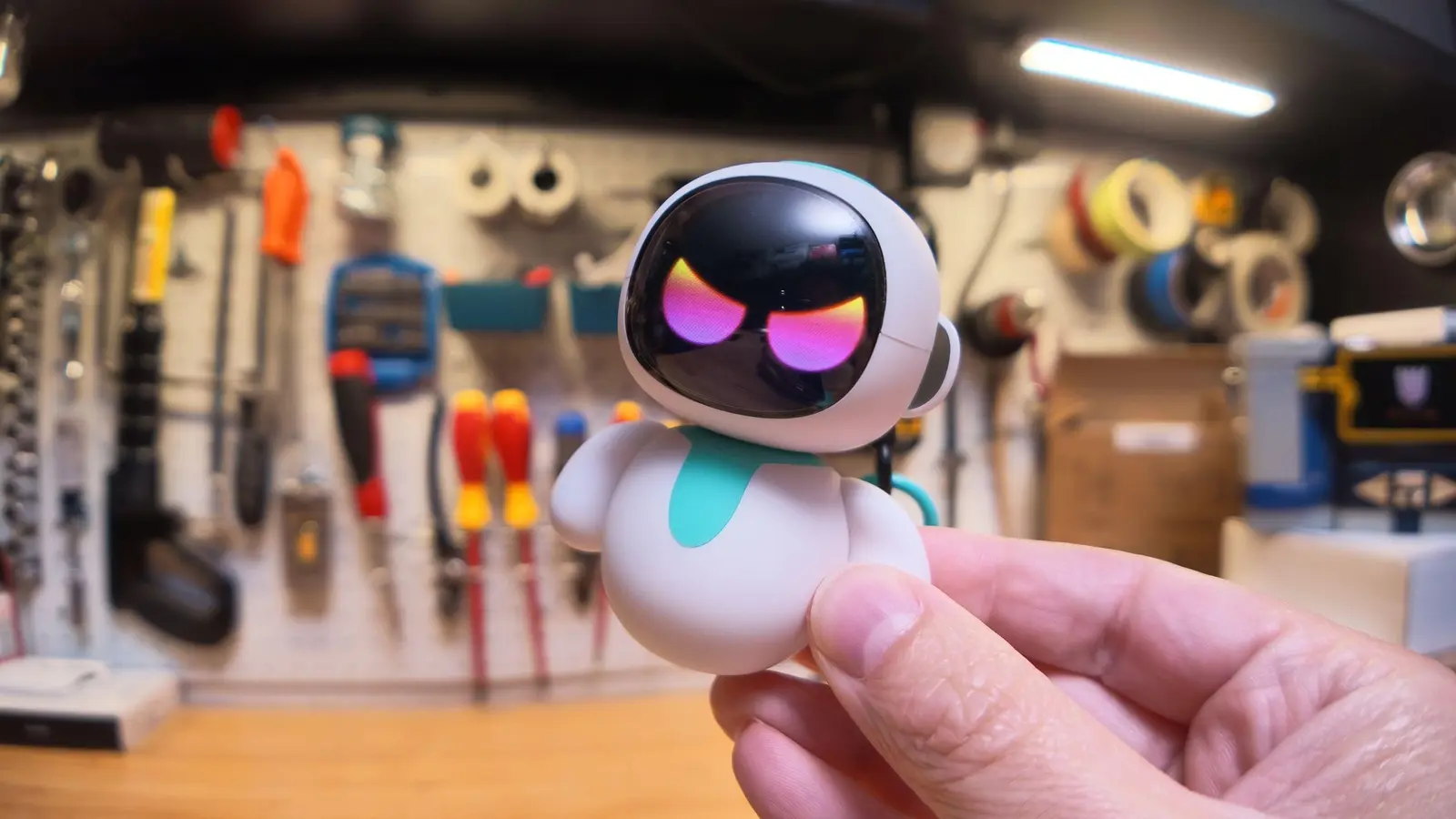 Eiliko Creator Hires Independent Security Firm After Flawy Robot Charm Exposed
 Musk Compares Optimus Robot Training to Raising a Toddler
 Atari VCS Software Store Closes in February 2027
This deliberate strategy utilizes Chrome browser experiences rather than dedicated mobile software. The tech giant maintains that desktop web variants deliver superior functionality for this specific hardware environment.
Users accustomed to traditional mobile applications often find the browser-centric approach unexpected. Many popular platforms traditionally rely on downloadable apps for optimal performance and offline capabilities.
Why Are Native Apps Missing?
Google defends the choice by emphasizing the strength and versatility of modern web standards. Chrome handles heavy workloads efficiently without requiring constant software updates from an app store.
Can web applications truly replace dedicated software on modern devices?
Google believes that browser technology has evolved enough to bridge the gap between desktop and mobile experiences. Maintaining a single web platform also simplifies development and ensures consistent feature rollouts across different operating systems.
Critics argue that browser tabs lack the seamless integration and offline reliability associated with native applications. Performance can occasionally suffer depending on network stability and available browser resources.
Frequently Asked Questions
The ongoing debate highlights the changing landscape of software delivery. As web standards improve, companies will likely continue balancing the convenience of browsers against the depth of native apps.
Why does Google use web apps instead of Android apps on Googlebook? Google intentionally chooses web-based experiences because it considers the desktop web versions superior for this particular platform.
Which Google services are affected by this decision? Major services including Gmail, YouTube, Google Docs, Sheets, and Calendar run as web experiences rather than native apps.
Comments
Leave a comment