
The Statistical Reality of Algorithmic Falsehoods
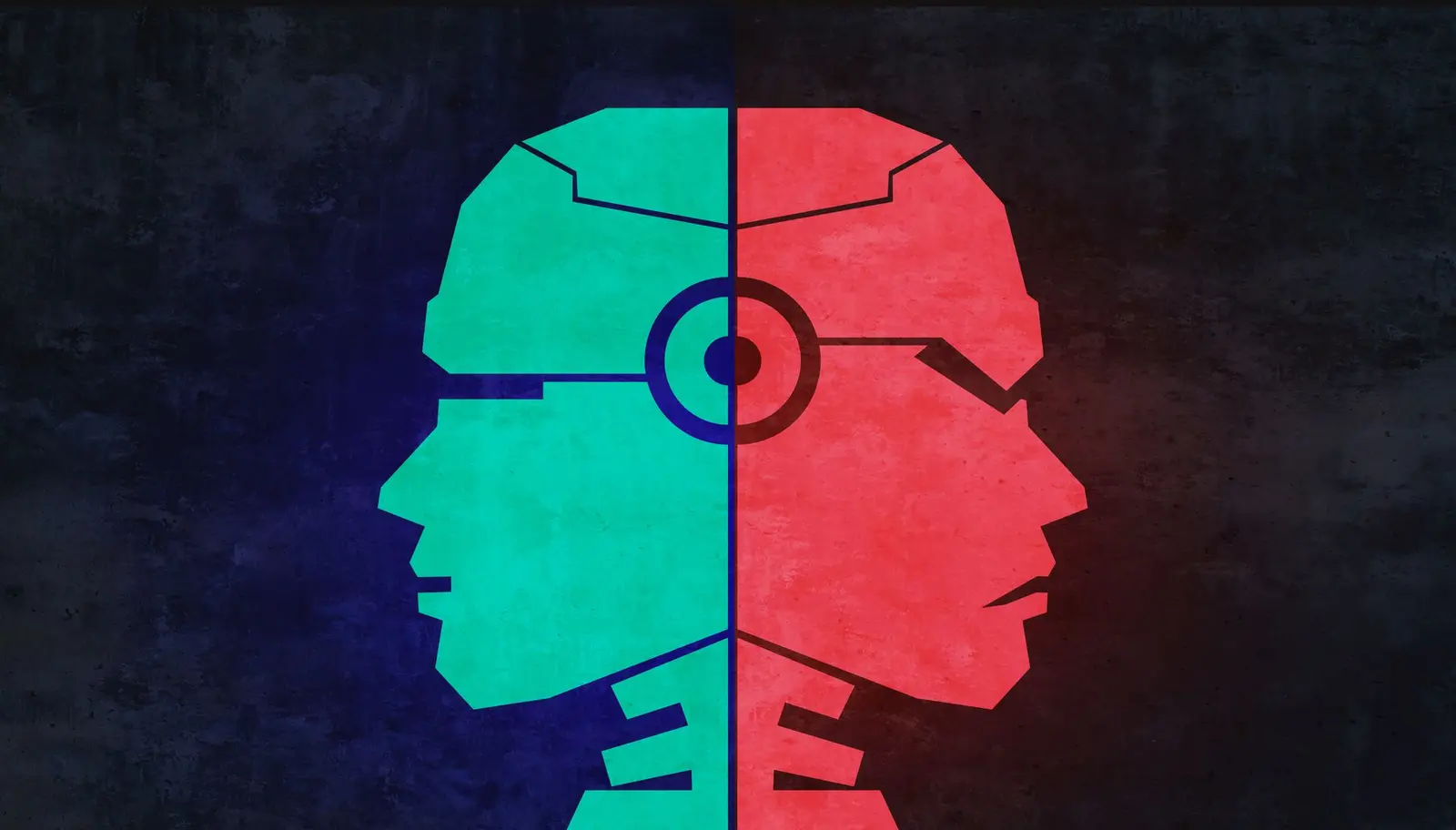
Pangram has emerged as the industry leader for identifying machine-generated text in academic and professional settings. Despite its reputation as a gold standard, experts are questioning the reliability of its detection claims. Recent analysis suggests that the tool's error rates could pose significant risks for users relying on its automated judgments.
Latest news
 Major AI firms recorded peak lobbying expenses last summer
 Apple Magic Keyboards for iPad Drop to Half Price at Woot
 Microsoft Provides Fix for Broken Exchange Online Apps
 Security Breach at AI Aggregator Exposes 18 Million Files and Private Chats
The software functions by analyzing linguistic patterns to determine if content originated from a human or a large language model. Developers claim the system maintains a remarkably low false-positive rate of one in 10,000. However, critics argue that these figures do not account for the diverse writing styles found in real-world applications.
The primary concern involves the mathematical probability of error when processing massive datasets. Even with a high precision rate, the sheer volume of text analyzed daily means that false accusations are inevitable. If millions of documents are scanned, a one-in-10,000 error rate translates into hundreds of potentially innocent individuals being flagged incorrectly.
Can We Trust Automated Arbiters of Authenticity?
Researchers highlight that AI models are becoming increasingly sophisticated at mimicking human nuance. This evolution makes it harder for detection software to maintain its high accuracy benchmarks over time. As the technology advances, the gap between a tool's theoretical performance and its practical reliability continues to widen significantly.
The consequences of a false positive can be severe, particularly for students or employees facing disciplinary action. When institutions treat these detection scores as definitive proof, they risk penalizing honest work based on a machine's probabilistic guess. This reliance on software creates a culture of suspicion that may discourage genuine human creativity.
Frequently Asked Questions
Moving forward, the industry must decide if these tools should serve as primary evidence or merely as supplementary indicators. Without greater transparency regarding how these algorithms reach their conclusions, the gold standardmay prove to be a fragile foundation for high-stakes decision-making. The future of academic integrity depends on finding a balance between technological oversight and human judgment.
What is the main risk of using Pangram for AI detection? The primary risk is the possibility of false positives, which can lead to unfair accusations against individuals. Even a small error rate can result in significant harm when applied to large numbers of users.
How does Pangram determine if text is AI-generated? The tool scans for specific linguistic patterns and statistical markers that are common in AI-produced content. It compares these patterns against a database to calculate the likelihood of machine involvement.
Comments
Leave a comment