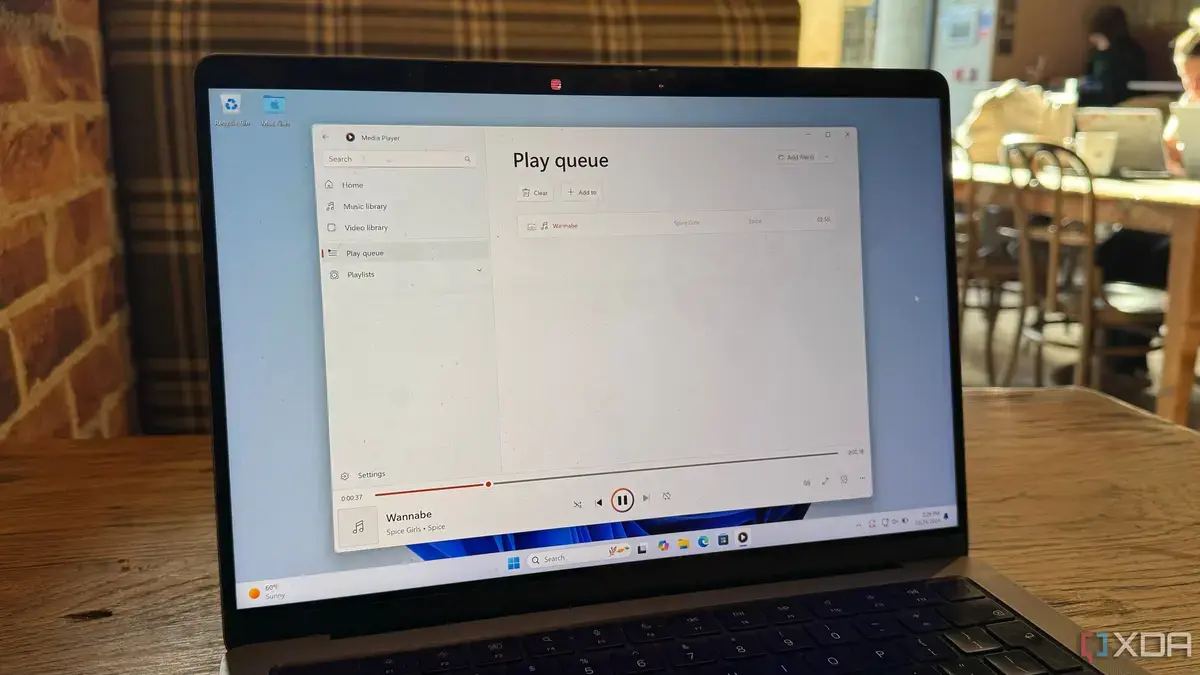
A Shift in User Experience
Microsoft is gradually phasing out Windows Media Player in favor of its newer media application. This shift comes as part of the company's strategy to streamline user experience on Windows operating systems. As of August 2026, users are noticing reduced support for the classic player, prompting many to transition to the updated software.
Latest news
 Minisforum Unveils High‑End Ryzen AI Max+ PRO 495 Workstation
 NASA Eyes Revival of SR‑71 Blackbird
 My Home Wi‑Fi Was Crowded by 14 Neighbors—A Free App Helped Me Find a Clear Channel
 YouTube is tightening rules for low-effort Shorts
The decision to move users towards the new Windows Media Player stems from Microsoft's desire to enhance functionality and integrate modern features. The newer app offers a more user-friendly interface and better compatibility with contemporary media formats. By limiting updates and support for the legacy player, the tech giant aims to encourage users to adapt to the changes and embrace the new technology.
Microsoft's transition reflects a broader trend in the tech industry where older applications are often replaced by more advanced alternatives. The company has invested in developing a media player that not only meets current user demands but also aligns with its vision for the future of Windows. Features such as improved streaming capabilities and enhanced library organization are designed to make media consumption smoother and more enjoyable.
Why Is Microsoft Making This Change Now?
Users have expressed mixed feelings about the change. Some appreciate the new app's capabilities, while others feel nostalgic for the classic Windows Media Player. „It's hard to let go of something that has been part of my computing experience for so long,”said one long-time user. However, Microsoft remains focused on innovation and believes that the benefits of the new application outweigh the comforts of the old.
The timing of this transition is crucial. As technology evolves rapidly, companies like Microsoft must keep pace with user expectations. The new Windows Media Player is designed to cater to a modern audience that values flexibility and efficiency. By encouraging users to make the switch, Microsoft hopes to ensure that its software remains relevant in an increasingly competitive market.
The consequences of this shift may be significant for users who rely on the classic player for their media needs. As support dwindles, they may find themselves facing compatibility issues or a lack of essential features. Microsoft’s push for the new app could lead to a broader acceptance of innovative technology, but it may also alienate users who prefer the familiarity of the old system.
Frequently Asked Questions
Why is Microsoft phasing out Windows Media Player? Microsoft is transitioning to a new media application to improve user experience with modern features and better compatibility.
What are the benefits of the new Windows Media Player? The new app offers a user-friendly interface, enhanced streaming capabilities, and improved library organization, making it easier to manage media.
Will I still be able to use Windows Media Player? While you can still use Windows Media Player for now, support and updates will decline, making it advisable to transition to the new app.
Comments
Leave a comment