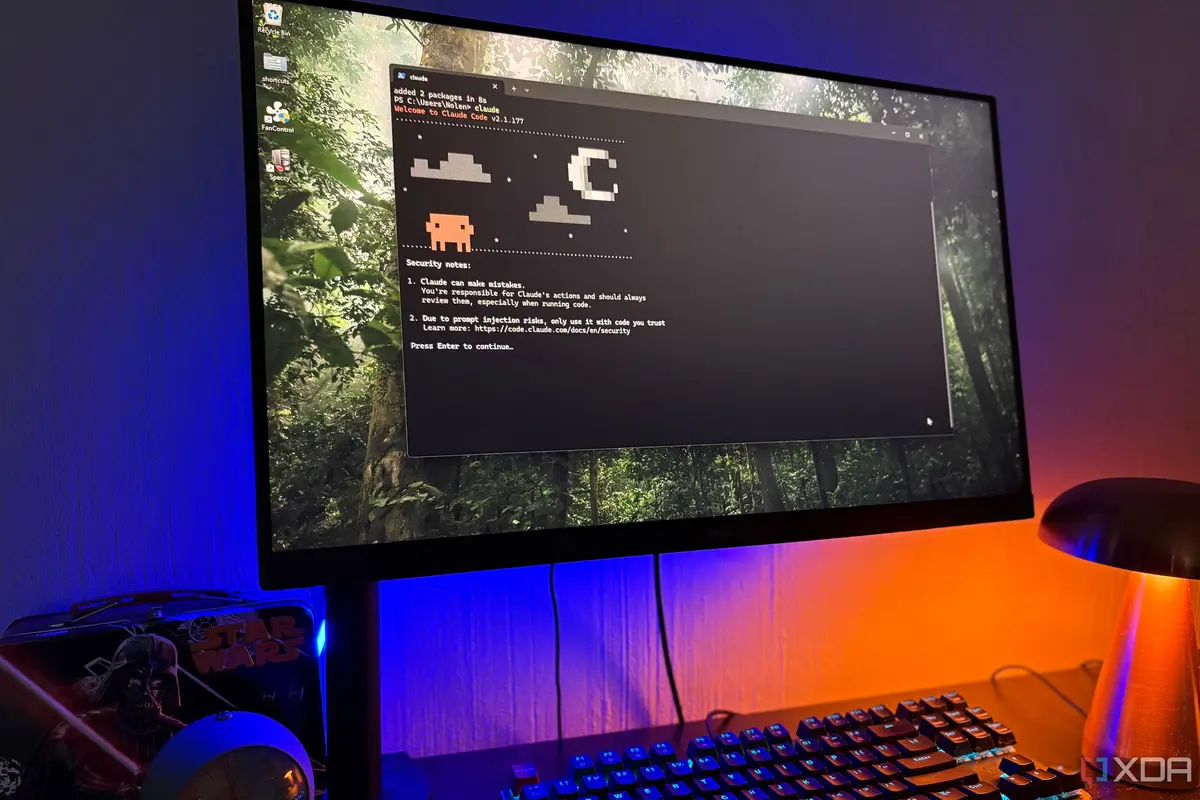
A New Era in AI Code Generation
Researchers found a breakthrough in managing AI code generation by giving Claude a single persistent goal instead of detailed step-by-step instructions. This change was implemented recently, marking a significant shift in how AI is utilized for coding tasks. The development is crucial as AI-generated code becomes increasingly prevalent.
Latest news
 Europe's Multilingual Reality Exposes AI Security Gaps
 Critical Flaw in ChatGPT Agent Fixed by OpenAI
 Dell XPS 13 (2026) Review: A PC Revolution
 Intel Needs to Leapfrog Rivals, Says CEO
The traditional method involved providing detailed prompts to guide the AI through the coding process. However, this approach required constant oversight and adjustments, akin to babysitting. By assigning a single, overarching objective, the need for meticulous supervision was greatly reduced.
With a persistent goal, Claude was able to work more autonomously, producing desired outcomes without the need for constant direction. This not only streamlined the coding process but also opened up new possibilities for how AI can be effectively utilized in development tasks. The simplicity of this approach belies its potential impact on the field.
Can AI Truly Work Independently?
The success of this method raises important questions about the future role of human oversight in AI-driven coding. As AI systems become more capable of working towards a goal without detailed instructions, the nature of human-AI collaboration will likely evolve. Developers will need to adapt to working alongside increasingly autonomous AI systems.
The implications of this development are far-reaching, with potential applications extending beyond code generation to other areas where AI is used. As the technology continues to advance, we can expect to see significant changes in how tasks are approached and accomplished.
Frequently Asked Questions
What was the main change made to Claude's operation? The main change was shifting from step-by-step prompts to a single persistent goal. This allowed Claude to work more autonomously. It simplified the coding process.
How does this change affect human oversight? Human oversight is significantly reduced as Claude works towards a goal without needing constant direction. This changes the nature of human-AI collaboration.
What are the broader implications of this development? The development has far-reaching implications, potentially changing how AI is used in various tasks beyond code generation. It could lead to more autonomous AI systems in the future.
Comments
Leave a comment