
Why Google Might Be Making This Change
Google is reportedly planning to shorten the time users have to recover deleted photos and videos in Google Photos from 60 days to 30 days. The change would apply to media that has been backed up to the cloud, aligning the trash retention policy across different types of files. This move aims to simplify the user experience by creating a uniform rule for all content stored in the service.
Latest news
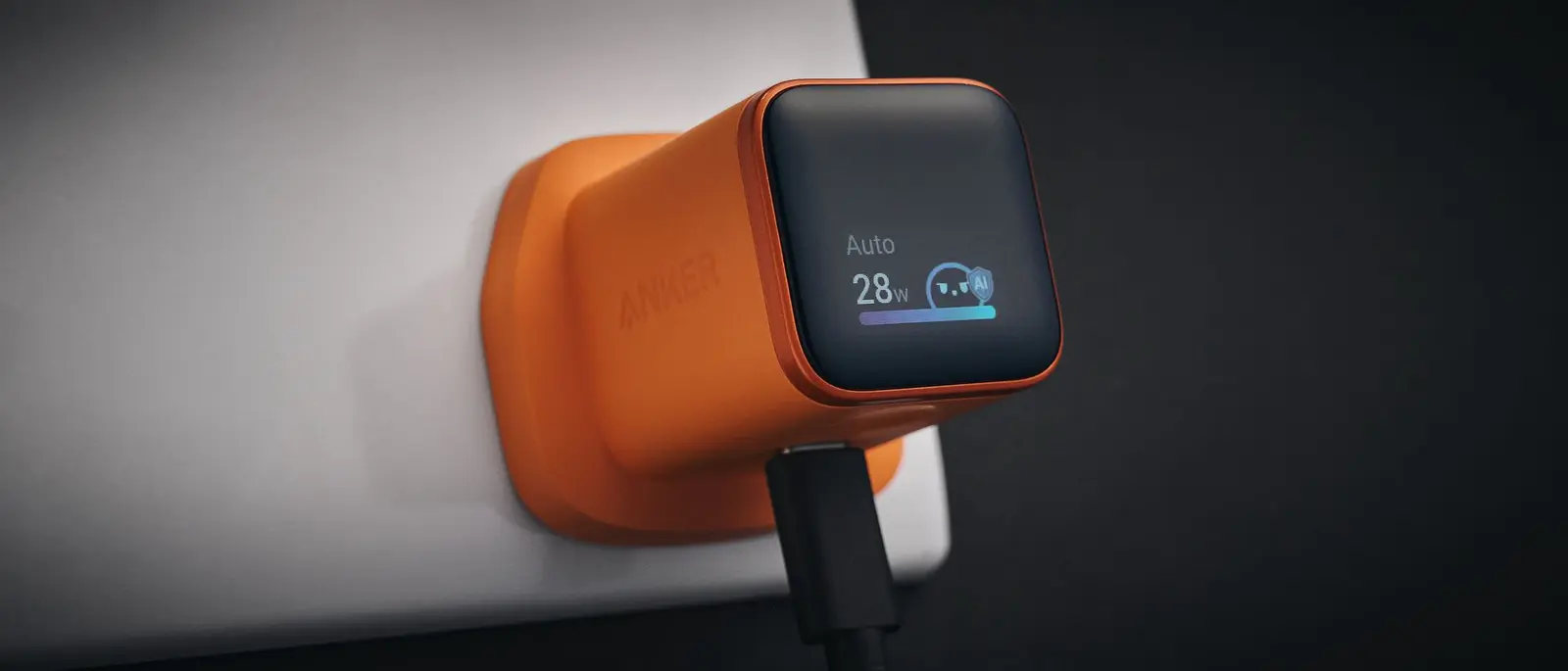 Anker Unveils Playful 45W Charger With Animated Face Display
 Google Docs Web Version Still Missing Native Dark Mode
 Anthropic-Linked Vulnerability Exploited From China, Targets US and Japan
 Text‑Based AI Agents: Your New Digital Assistants
The update would affect anyone who deletes a photo or video and later decides they want to restore it. Currently, users have two months to recover items from the trash before they are permanently erased. Under the proposed change, that window would be cut in half, requiring users to act more quickly if they wish to retrieve deleted media. Google has not officially announced the change, but internal references suggest it is under consideration.
How Will This Affect Everyday Users?
The company says it wants to reduce confusion caused by inconsistent retention periods across different Google services. By standardizing the trash policy, Google hopes to make data management more predictable for users. Internal testing has shown that most people who recover deleted items do so within the first few weeks, supporting the shift to a shorter window. Privacy and storage efficiency may also be factors, as permanently deleting data sooner frees up server space.
For most users, the impact may be minimal if they regularly review their trash or rarely delete important files by accident. However, those who rely on the full 60-day window as a safety net could lose access to recoverable media if they miss the new deadline. Google may introduce reminders or notifications to help users adapt to the change. The adjustment reflects a broader trend of tech firms tightening data retention policies to balance usability with system efficiency.
Will this change apply to photos and videos not backed up to Google Photos? No, the 30-day trash window would only apply to media that has been successfully backed up to the cloud. Items stored only on a device are not affected by this policy.
Frequently Asked Questions
Can users still recover media after the trash is emptied? Once the trash is emptied after the retention period, recovery is no longer possible through Google Photos. Users would need to rely on local backups or other recovery methods outside the service.
When could this change take effect? Google has not announced an exact timeline, but the update could roll out in the coming months as part of a routine app update. Users will likely see notification within the app before the change goes live.
Comments
Leave a comment