
A Tighter Window for Digital Recovery
Starting in September 2026, Google will reduce the retention window for items in the Google Photos trash bin. The new policy cuts the storage duration from sixty days to thirty days. This change affects all users who delete photos or videos through the standard interface. Deleted media will no longer remain accessible for two full months. Instead, the system will automatically purge files after one month has passed. Users must act quickly to recover any accidental deletions before the new deadline expires.
Latest news
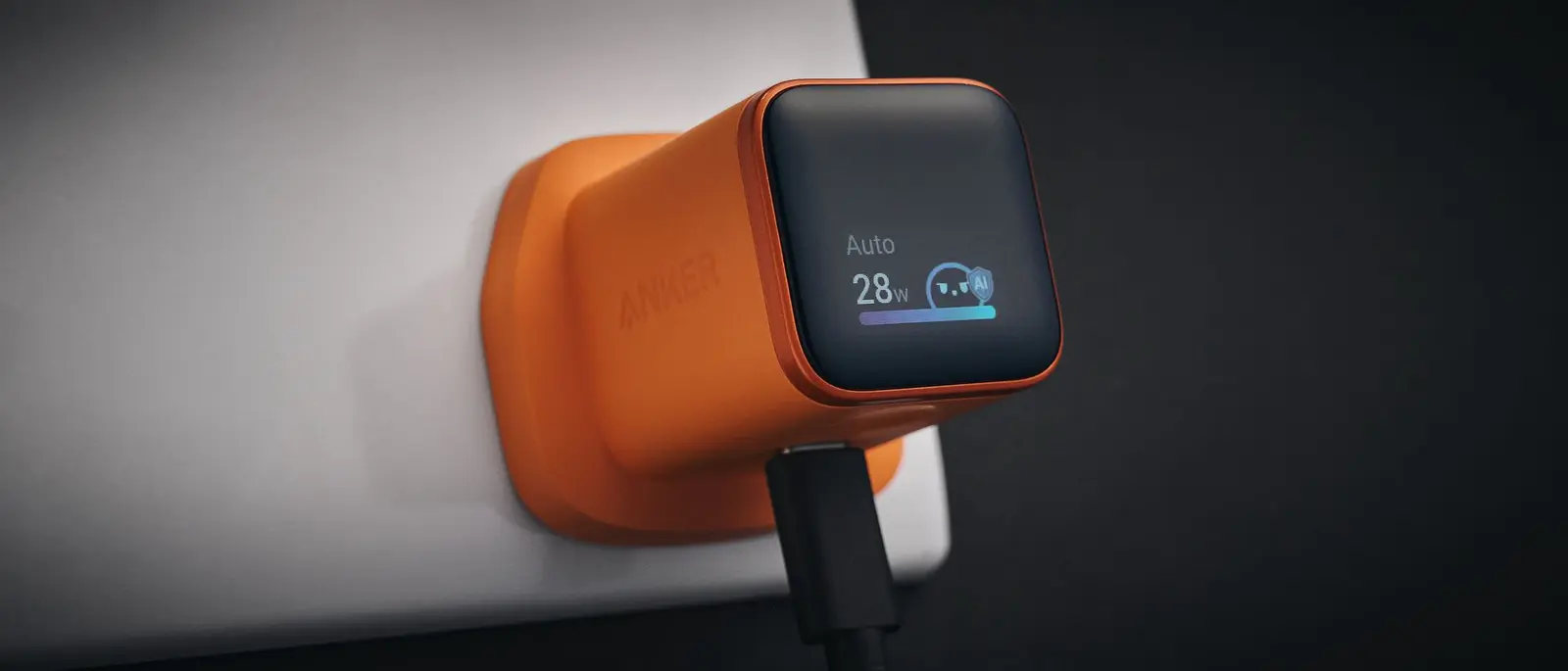 Anker Unveils Playful 45W Charger With Animated Face Display
 Google Docs Web Version Still Missing Native Dark Mode
 Anthropic-Linked Vulnerability Exploited From China, Targets US and Japan
 Text‑Based AI Agents: Your New Digital Assistants
The update aims to streamline storage management within the platform. By halving the retention period, Google can free up server space more efficiently. This move aligns with broader trends in cloud storage optimization. Previously, the sixty-day window provided a generous buffer for users to find lost files. Now, that buffer is significantly tighter. The company likely views this adjustment as a necessary step to maintain performance across its global infrastructure. It also encourages users to be more deliberate when deleting content.
The shift from sixty to thirty days represents a substantial reduction in user safety margins. For casual users, two months often felt like an eternity. One month requires more immediate attention. If you delete a vacation photo today, you have less than a calendar month to restore it. After the thirty-day mark, the file is permanently removed from your account. This applies to both images and video clips. The process is automatic and cannot be paused or extended manually. Users should consider this a hard limit rather than a flexible suggestion.
Will This Change Affect All Users Immediately?
Not necessarily. The rollout is scheduled for September 2026. Existing users may experience a transition period where older items follow the old rules while new deletions follow the new ones. Google typically phases in such changes gradually. However, once the update is fully active, the thirty-day rule will apply universally. There is no indication that premium subscribers will receive a longer window. The change appears to be a platform-wide standardization effort. Users should check their settings periodically to confirm current retention policies.
The primary consequence is increased urgency for digital organization. Users can no longer rely on a long-term safety net for mistakes. They must adopt better habits for sorting and archiving important memories. This could lead to more frequent backups to external drives or other cloud services. As cloud providers continue to optimize costs, expect similar adjustments elsewhere. The era of indefinite grace periods for deleted data may be coming to an end. Staying proactive is now essential for preserving your digital library.
Frequently Asked Questions
How long do I have to restore a deleted photo? You have exactly thirty days from the moment of deletion. Once this period ends, the file is permanently erased from the service.
Does this apply to videos as well? Yes, the thirty-day rule covers all media types. Both photos and videos follow the same retention schedule in the trash bin.
Can I extend the deletion timer? No, the system does not offer an extension feature. You must restore the item before the thirty-day countdown reaches zero.
Comments
Leave a comment