
How Amazon Photos Stood Up to Google’s AI Tools
Andrew Grush, a senior writer at Android Authority, spent a week in April swapping his Google Photos library for Amazon Photos on his Android phone. The experiment ran on a Prime‑eligible account, using the same device and photo collection he had built over several years. Grush documented the transition to see whether Amazon could truly replace Google’s dominant service.
Latest news
 Anthropic Unveils Claude Duet For Background AI Tasks
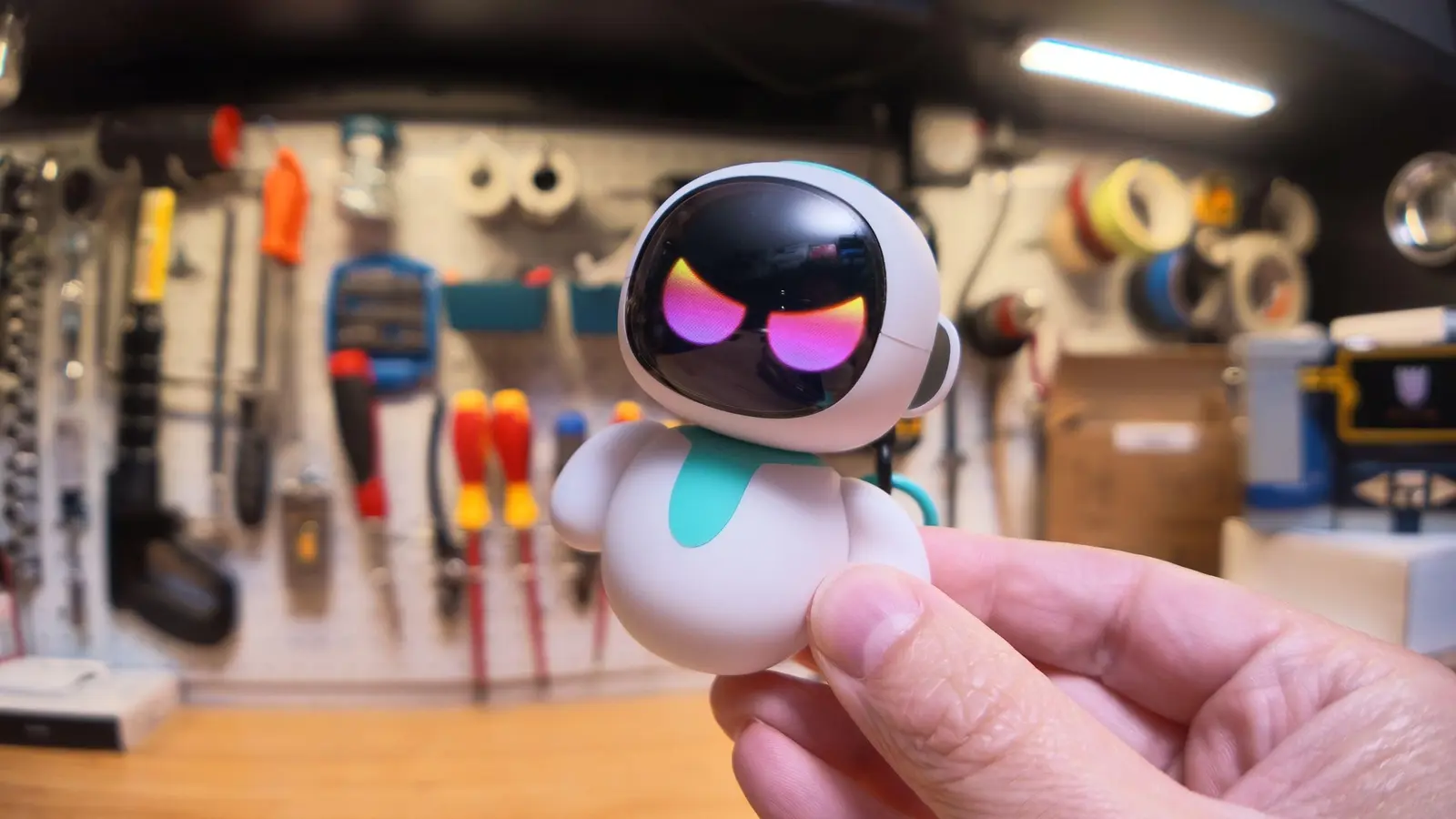 Eiliko Creator Hires Independent Security Firm After Flawy Robot Charm Exposed
 Musk Compares Optimus Robot Training to Raising a Toddler
 Atari VCS Software Store Closes in February 2027
He began by disabling automatic backups in Google Photos and enabling the Amazon Photos app to sync his entire gallery. The switch was motivated by curiosity and a desire to test Amazon’s promise of unlimited storage for Prime members. Grush noted that the initial setup took only a few minutes, and the app quickly began uploading high‑resolution files. He then compared organization tools, search accuracy, and overall performance to gauge how closely Amazon could match Google’s polished experience.
Amazon Photos leverages machine‑learning to group images by people, places, and objects, much like Google’s „People & Pets” feature. In Grush’s test, the AI correctly identified family members in 87 % of the photos, slightly lower than Google’s near‑perfect recognition. However, Amazon’s „Auto‑Tag” function proved useful for locating vacation shots, as it tagged beaches and mountains without user input.
Can Amazon Photos Replace Google Photos for the Average User?
The search bar responded swiftly, pulling up results in under two seconds for most queries. Grush appreciated the simplicity of Amazon’s interface, which strips away many of Google’s advanced editing options. While Google offers built‑in filters and a „Memories” carousel, Amazon’s version is more straightforward, focusing on storage and basic editing. The lack of a dedicated „Assistant” for creating themed albums was noticeable, but the core organization remained reliable.
For everyday users, Amazon Photos delivers a compelling alternative, especially for Prime members who already enjoy unlimited photo storage. The service integrates seamlessly with Alexa devices, allowing voice commands to display images on Echo Show screens. Grush found that sharing albums via a simple link worked as expected, though the link expiration settings were less flexible than Google’s sharing controls.
Pricing is a decisive factor. Non‑Prime users must pay $1.99 per month for 100 GB, while Google offers 15 GB free and tiered plans up to 2 TB. Amazon’s unlimited storage for Prime members eliminates the need for a separate photo subscription, a clear advantage for those already paying for Prime. Nevertheless, Google’s superior AI, richer editing suite, and tighter ecosystem with Android and Gmail keep it ahead for power users.
Overall, Grush concluded that Amazon Photos performed admirably and could serve as a primary backup for many. It fell short of Google’s polish in some areas, but the gap narrowed enough that the switch felt less daunting than expected. As cloud photo services evolve, competition may push both platforms to refine AI and sharing features, benefiting users across the board.
Frequently Asked Questions
Does Amazon Photos support RAW files? Yes, the app can store and preview RAW images, though editing capabilities remain limited compared to Google’s native editor.
Can I sync Amazon Photos across iOS and Android devices? The service offers apps for both platforms, allowing seamless syncing and access to the same library from any smartphone or tablet.
What happens to my photos if I cancel my Prime membership? Amazon reverts to a 5 GB free tier, and any excess storage will be locked until you either renew Prime or purchase additional space.
Comments
Leave a comment