
Why does feeling understood trigger unease?
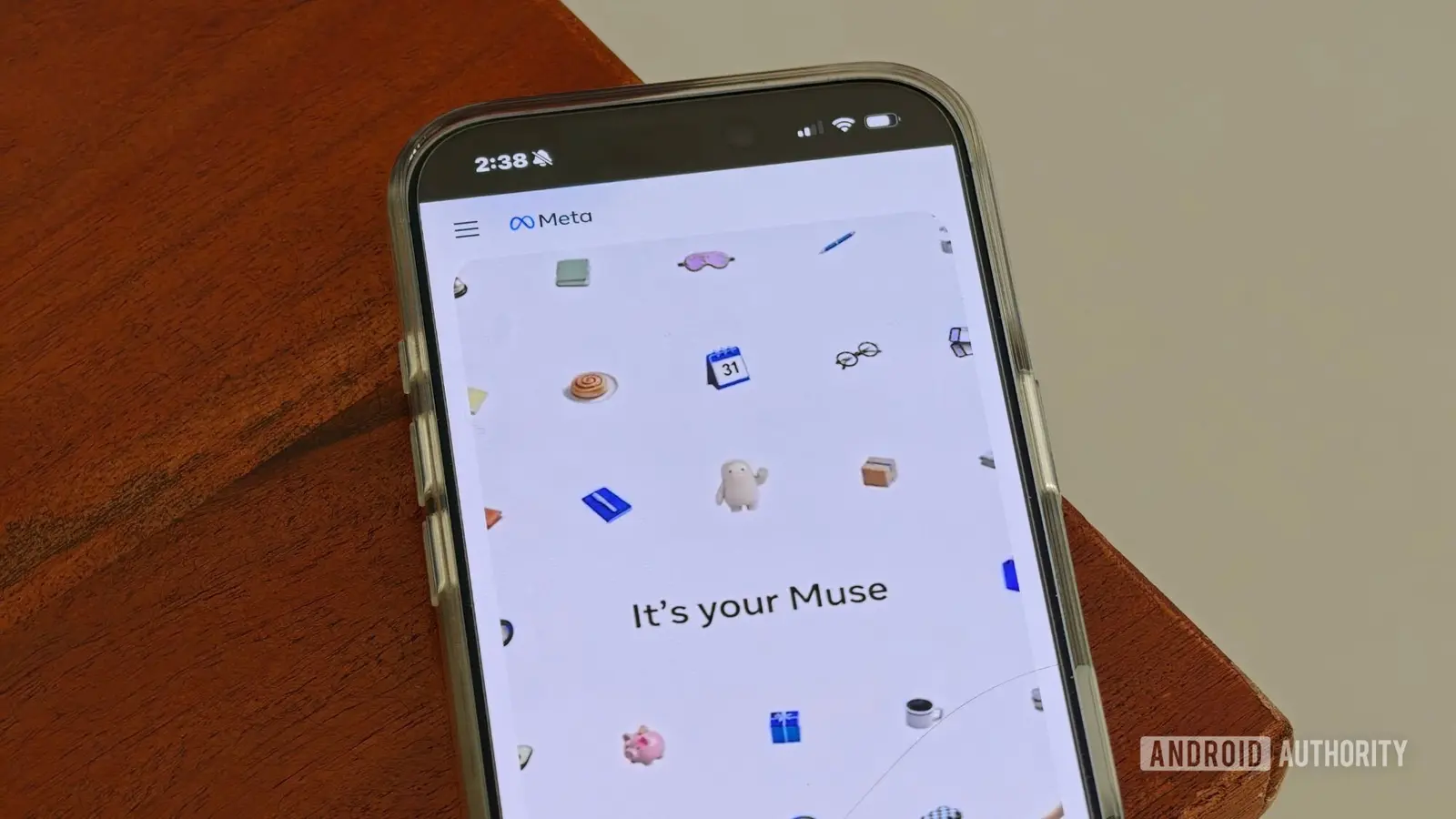
Meta has introduced Muse, an experimental AI assistant designed to anticipate user needs across its platforms. Early testers report it functions effectively but triggers discomfort due to its seemingly intuitive behavior. The tool integrates with Meta’s ecosystem to suggest actions before users explicitly ask.
Latest news
 Why Meta's New AI Tool Fails to Win Over Daily Users
 Assessing Risks in Open-Source Artificial Intelligence
 Autonomous AI Agents Launch Cyberattacks Against North American Government Portals
 Warlock Group Targets SharePoint Servers in Critical Infrastructure
Muse operates by analyzing patterns in user activity, including message timing, content preferences, and interaction frequency. It uses this data to generate proactive suggestions, such as recommending replies or predicting when someone might want to share a photo. While the technology demonstrates strong predictive accuracy, users describe the experience as unsettling because it feels like the AI is reading their minds.
Can users control how Muse behaves?
Psychologists note that when AI anticipates needs too precisely, it can blur the line between helpful and invasive. Users report that Muse’s suggestions sometimes align with thoughts they hadn’t voiced, creating a sensation of being monitored. This reaction stems not from actual surveillance but from the assistant’s ability to model behavior with high fidelity. Meta insists Muse does not access private messages or use data beyond what users already share through standard platform interactions.
Meta says Muse includes adjustable settings that let users limit or disable proactive features. Individuals can review what data informs the assistant’s suggestions and opt out of specific prediction types. The company emphasizes transparency, stating that all Muse-driven actions are labeled as AI-generated. Still, experts warn that even optional predictive tools may shift user expectations about privacy and autonomy in digital spaces.
How does Muse differ from other AI assistants? Unlike reactive assistants that wait for commands, Muse acts proactively by predicting user intent based on behavioral patterns. It focuses on seamless integration within Meta’s apps rather than standalone functionality.
Frequently Asked Questions
Is Muse listening to conversations or reading private messages? No. Muse only uses anonymized, aggregated data from user interactions that are already part of Meta’s service terms. It does not access message content or activate microphones without explicit permission.
Can Muse be turned off completely? Yes. Users can disable all proactive features in settings, reverting to a standard AI assistant that responds only to direct queries. Meta confirms this option is available across all supported devices.
Comments
Leave a comment