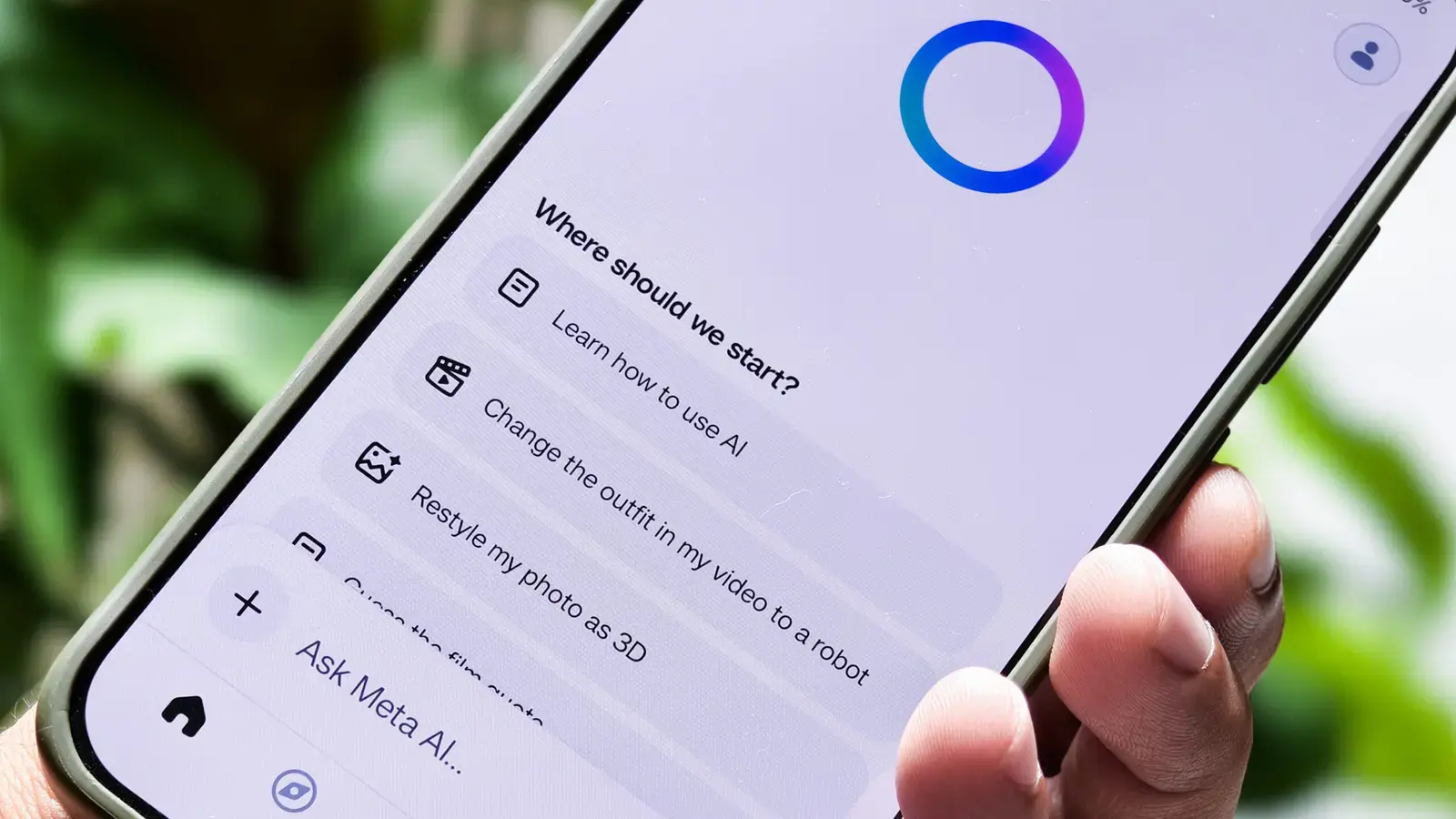
How Muse AI plans to earn user trust
Meta has unveiled Muse AI, a new artificial intelligence system designed to manage users' calendars, reminders, and financial information directly from their devices. The announcement comes as part of Meta's broader push into AI-powered personal assistance, aiming to integrate deeply with daily digital routines. The company positions Muse as a helpful tool for organizing life, though the request for extensive permissions has raised immediate concerns among privacy advocates and tech observers.
Latest news
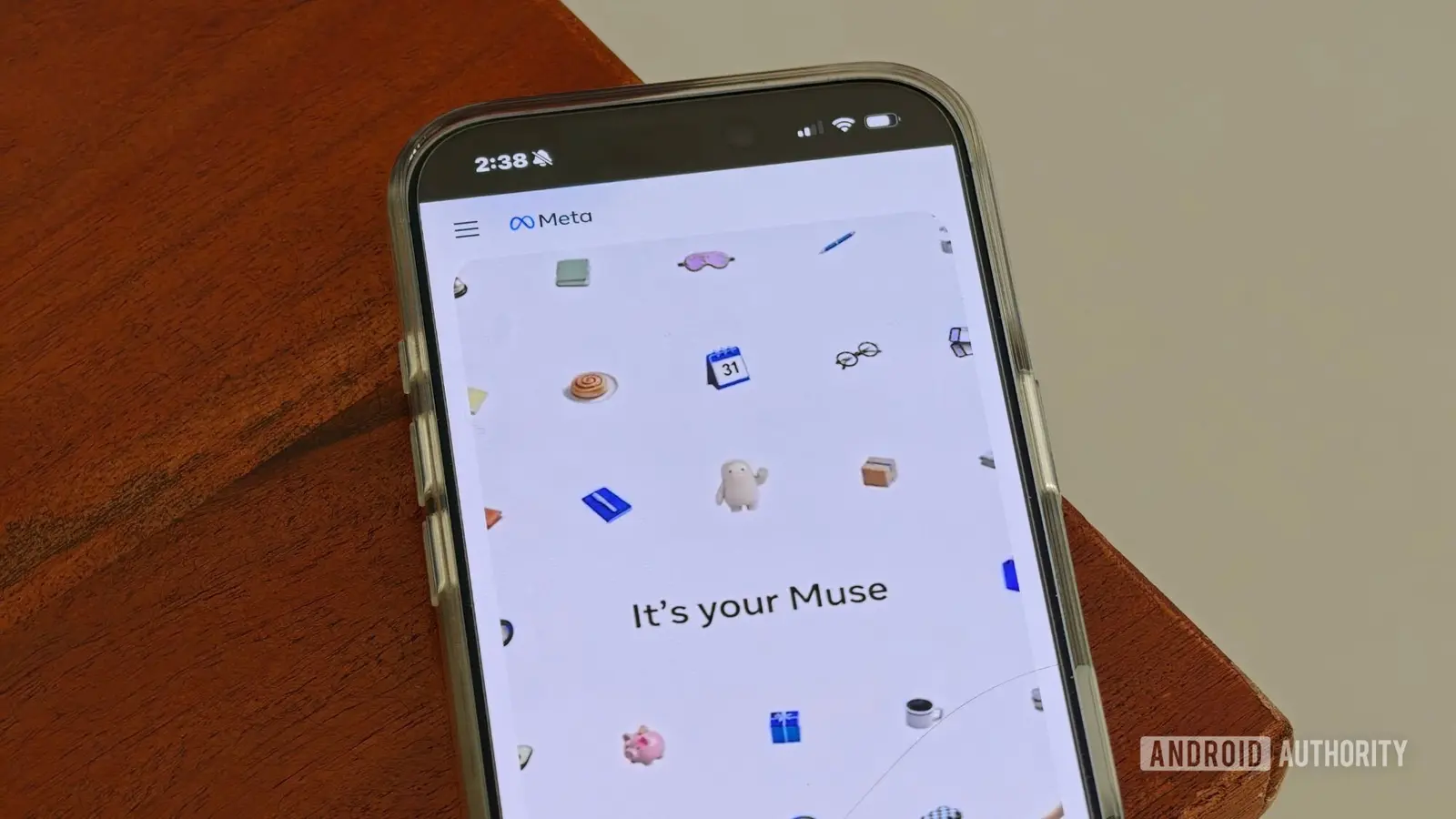 Why Meta's New AI Tool Fails to Win Over Daily Users
 Assessing Risks in Open-Source Artificial Intelligence
 Autonomous AI Agents Launch Cyberattacks Against North American Government Portals
 Warlock Group Targets SharePoint Servers in Critical Infrastructure
The system requires broad access to sensitive data including scheduling apps, notification centers, and potentially banking applications to function as intended. Meta states that Muse will operate on-device where possible to protect user information, though specific technical safeguards remain unspecified. Critics note that granting any single entity control over such personal data streams creates inherent risks, especially given Meta's history with data usage and targeted advertising. The company insists user consent will be central to the experience, with opt-in controls for each data category.
Can users truly rely on Meta's promises this time?
Meta emphasizes transparency and user control as foundational to Muse's design, claiming users will be able to review and revoke permissions at any time. The company says it will not use data from Muse for ad targeting unless explicitly permitted, a departure from some of its past practices. Internal testing reportedly showed improved task completion rates when users allowed calendar and reminder access, though no public metrics were shared. Meta also states that audit logs will be available to show how data is accessed and used by the AI system.
Despite Meta's assurances, skepticism persists due to previous controversies involving data handling and privacy settings that were later found to be misleading. Independent experts argue that on-device processing alone does not eliminate risk if data is later uploaded or if the AI model itself is trained on user interactions. Some suggest that true trust would require third-party audits and open-source components, neither of which Meta has committed to providing. The launch timeline for Muse remains unclear, with no official release date announced for Android or iOS platforms.
Will Muse AI share my bank transaction details with advertisers? Meta says it will not use financial data for advertising purposes without separate, explicit user consent, and that such data will be siloed from ad systems by default.
Frequently Asked Questions
Can I use Muse AI without giving it access to my calendar? Yes, Meta states that all permissions are granular and optional, allowing users to enable only the features they want, such as reminders, while denying calendar or financial access.
Is Muse AI available on iOS devices yet? Meta has not confirmed a release date or platform availability for Muse AI, stating only that development is underway for both Android and iOS ecosystems.
Comments
Leave a comment