
Muse Gains New Conversational Tools
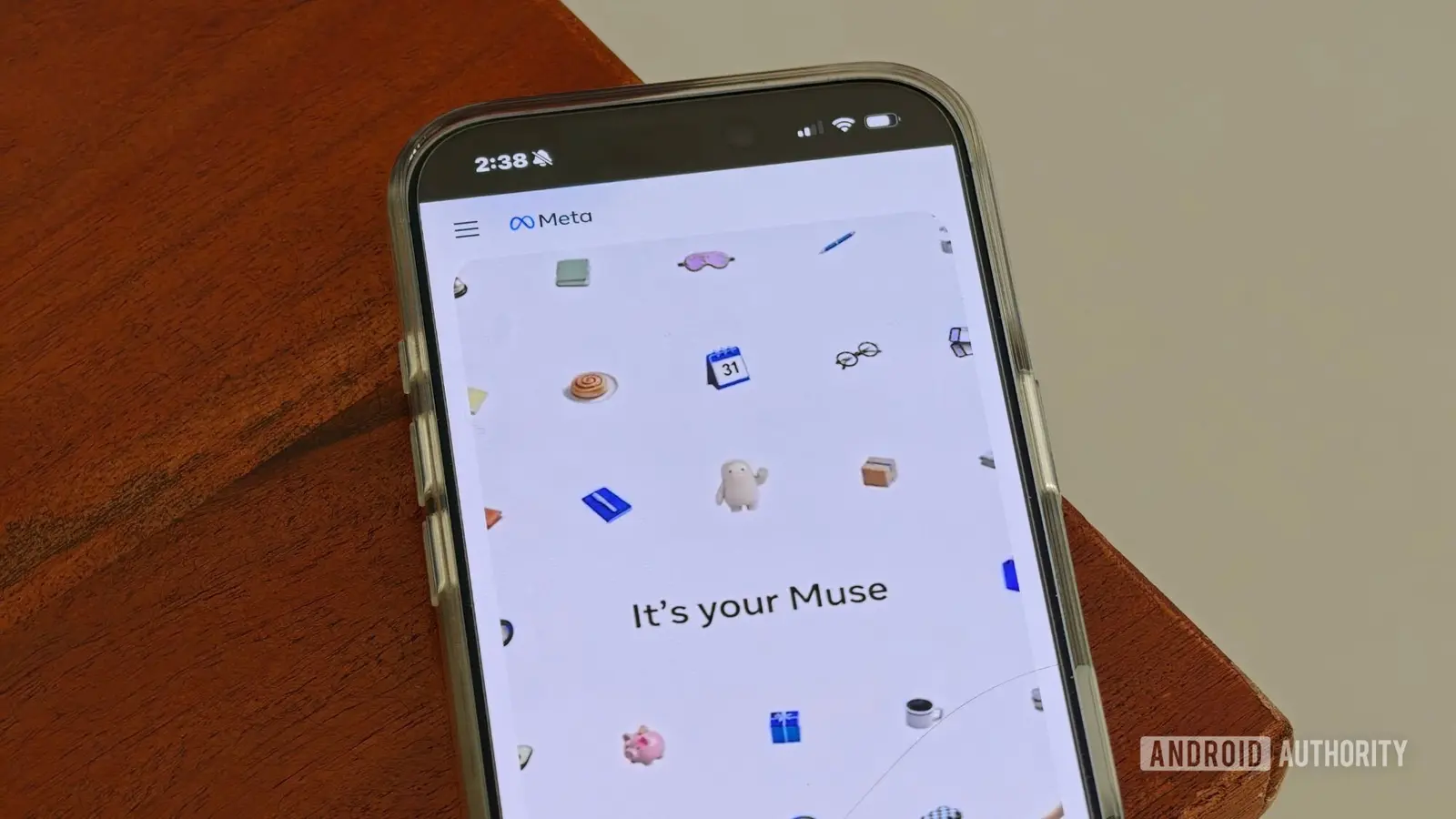
Meta unveiled fresh updates for its fledgling AI assistant Muse on Wednesday at the company’s Connect conference in Menlo Park. The event, led by CEO Mark Zuckerberg, highlighted the firm’s commitment to expanding Muse, a personal AI agent introduced only weeks earlier, positioning it as a central component of Meta’s consumer‑focused artificial intelligence strategy.
Latest news
 Why Meta's New AI Tool Fails to Win Over Daily Users
 Assessing Risks in Open-Source Artificial Intelligence
 Autonomous AI Agents Launch Cyberattacks Against North American Government Portals
 Warlock Group Targets SharePoint Servers in Critical Infrastructure
Zuckerberg’s opening remarks made clear that Muse is no longer an experimental side project. The social‑media conglomerate plans to integrate the agent across its platforms, adding capabilities that range from personalized content recommendations to real‑time assistance in messaging and virtual environments. By accelerating development, Meta hopes to differentiate itself in the crowded AI market and lock users into its ecosystem.
During the keynote, Meta demonstrated several enhancements that give Muse a more natural dialogue flow. The agent can now interpret nuanced prompts, follow multi‑step instructions, and maintain context over longer interactions. Engineers showcased Muse helping a user schedule a virtual event, suggesting relevant groups, and even drafting a short video caption, all without leaving the app. „We’re teaching Muse to understand the subtleties of everyday conversation,” a Meta spokesperson said, emphasizing the push toward a seamless user experience.
Will Muse Become the Default AI Companion for Social Media Users?
The rollout will begin with a limited beta, targeting a diverse group of users to gather feedback on accuracy and privacy safeguards. Meta also announced tighter integration with its existing services, allowing Muse to pull data from Facebook, Instagram, and WhatsApp—subject to user consent—to deliver tailored suggestions. The company claims these updates will reduce the time users spend switching between apps, streamlining daily digital tasks.
Meta’s aggressive timeline raises questions about adoption and competition. Analysts note that while Muse is still in its infancy, the company’s vast user base gives it a head start over rivals like Google’s Bard or Apple’s Siri. However, success will hinge on how well Muse respects privacy and avoids the pitfalls that have plagued earlier AI rollouts. Critics warn that deep integration could amplify concerns over data collection, especially if users are not fully informed about how their information powers the assistant.
Despite the challenges, Meta’s leadership appears confident. Zuckerberg concluded his speech by stating that Muse will evolve into a „personal digital partner” that anticipates needs before users articulate them. The company’s roadmap includes expanding Muse’s language support, adding voice interaction, and eventually embedding the agent in augmented reality experiences.
The coming months will test whether Muse can deliver on its promise of intuitive assistance while maintaining user trust. If Meta succeeds, the AI agent could become a cornerstone of daily digital life, reshaping how people interact with social platforms and potentially setting a new standard for consumer AI.
Frequently Asked Questions
What is Muse and how does it differ from other AI assistants? Muse is Meta’s personal AI agent designed to work across its social apps, offering context‑aware suggestions and task automation that leverages the company’s extensive user data, unlike more generic assistants that operate in isolation.
When will the new Muse features be available to the public? Meta plans a phased rollout, starting with a limited beta later this year, followed by broader availability as feedback is incorporated and privacy measures are refined.
How is Meta addressing privacy concerns with Muse’s deeper integration? The company says Muse will only access personal data with explicit user permission, and it will provide transparent controls for users to manage what information the agent can use.
Comments
Leave a comment