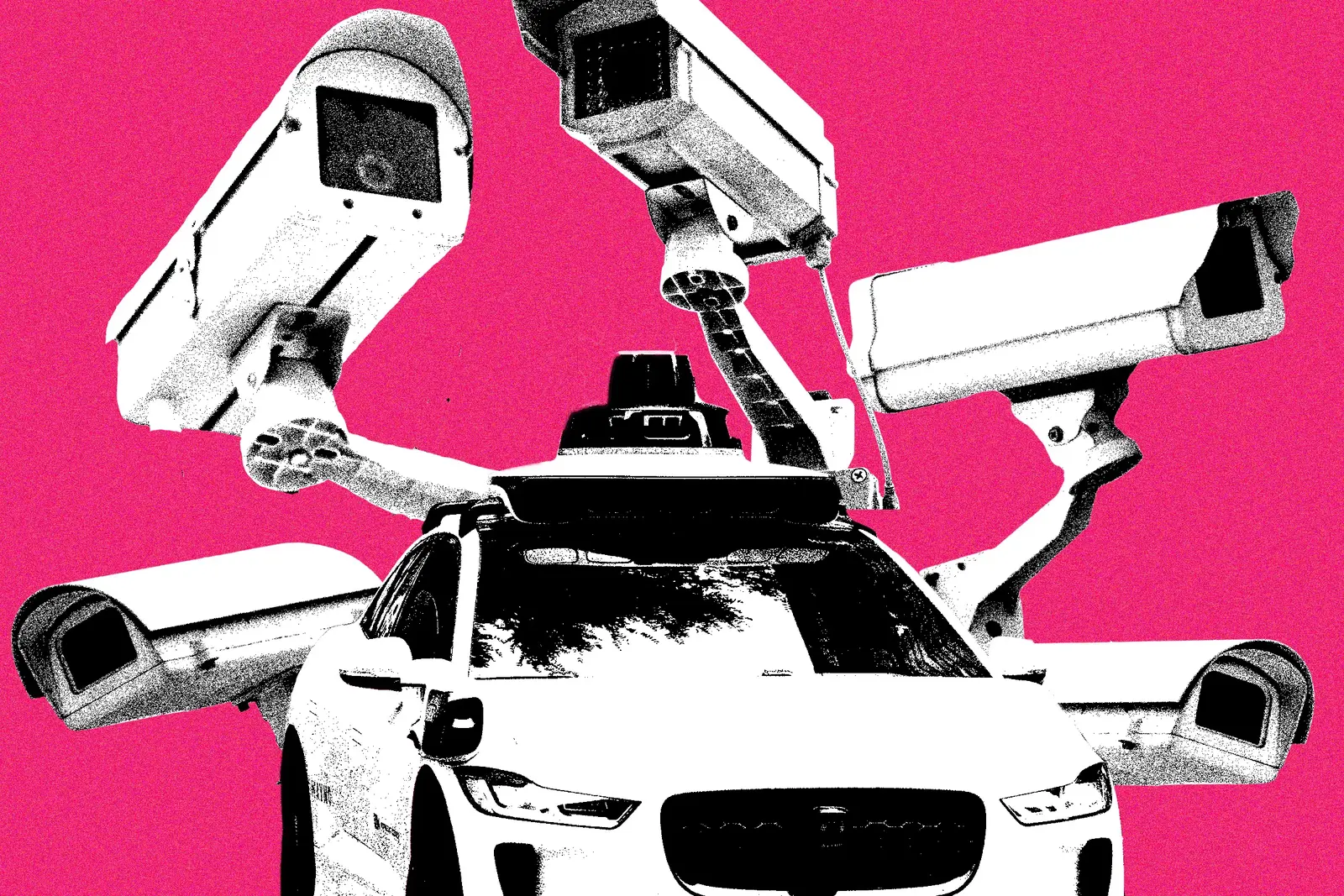
Inside the Surveillance Network
Self-driving taxis from Waymo, Zoox, and Tesla carry dozens of cameras and sensors, some aimed directly at passengers during rides. These vehicles, operating on public streets and in controlled zones, collect vast amounts of visual and sensor data while people travel inside them. The technology enables autonomous navigation but raises new questions about privacy in shared, driverless spaces.
Latest news
 Why Meta's New AI Tool Fails to Win Over Daily Users
 Assessing Risks in Open-Source Artificial Intelligence
 Autonomous AI Agents Launch Cyberattacks Against North American Government Portals
 Warlock Group Targets SharePoint Servers in Critical Infrastructure
The camera arrays serve multiple purposes. They help the vehicles detect obstacles, read road signs, and navigate complex environments. However, several sensors are positioned to capture interior scenes, recording passengers' movements, conversations, and behaviors. Companies argue this data improves safety and service quality, but privacy advocates worry about consent and data storage.
Each autonomous vehicle typically houses eight to ten cameras, including wide-angle lenses, infrared sensors, and high-resolution recorders. Some cameras focus on the road ahead, while others monitor the cabin interior. Tesla's vehicles, for instance, use interior-facing cameras to ensure drivers remain attentive when required. Waymo and Zoox have expanded similar setups in their robo-taxi fleets, claiming the footage helps train AI systems and prevent accidents.
What Happens to Your Ride Data?
Zoox has stated it blurs faces and license plates before storing data, but internal documents suggest raw footage is sometimes retained for debugging. Tesla's user agreement grants broad rights to vehicle data, including cabin recordings. Waymo's privacy policy mentions data anonymization but does not specify retention periods. Legal experts note that current regulations vary widely across states, leaving passenger protections inconsistent.
Companies say they use the footage primarily for safety improvements and system development. Some data gets shared with third-party vendors for cloud storage or analytics. Regulators are beginning to scrutinize these practices, especially after reports of unauthorized access to vehicle recordings. Consumer groups are pushing for stricter consent rules and clearer deletion policies.
Looking ahead, lawmakers may impose new limits on in-cabin surveillance as autonomous taxis become more common. Until then, passengers should assume their rides are being recorded, even if the vehicles appear empty of human drivers.
Frequently Asked Questions
Do self-driving taxis always record passengers? Most robo-taxis continuously record video and sensor data while in operation, including interior footage of passengers.
Can companies share my ride data with others? Yes, companies may share anonymized or raw data with partners for storage, analysis, or AI training, though policies differ by provider.
How can I opt out of being recorded? Currently, there is no universal opt-out. Some services allow users to request data deletion, but real-time recording cannot typically be disabled.
Comments
Leave a comment