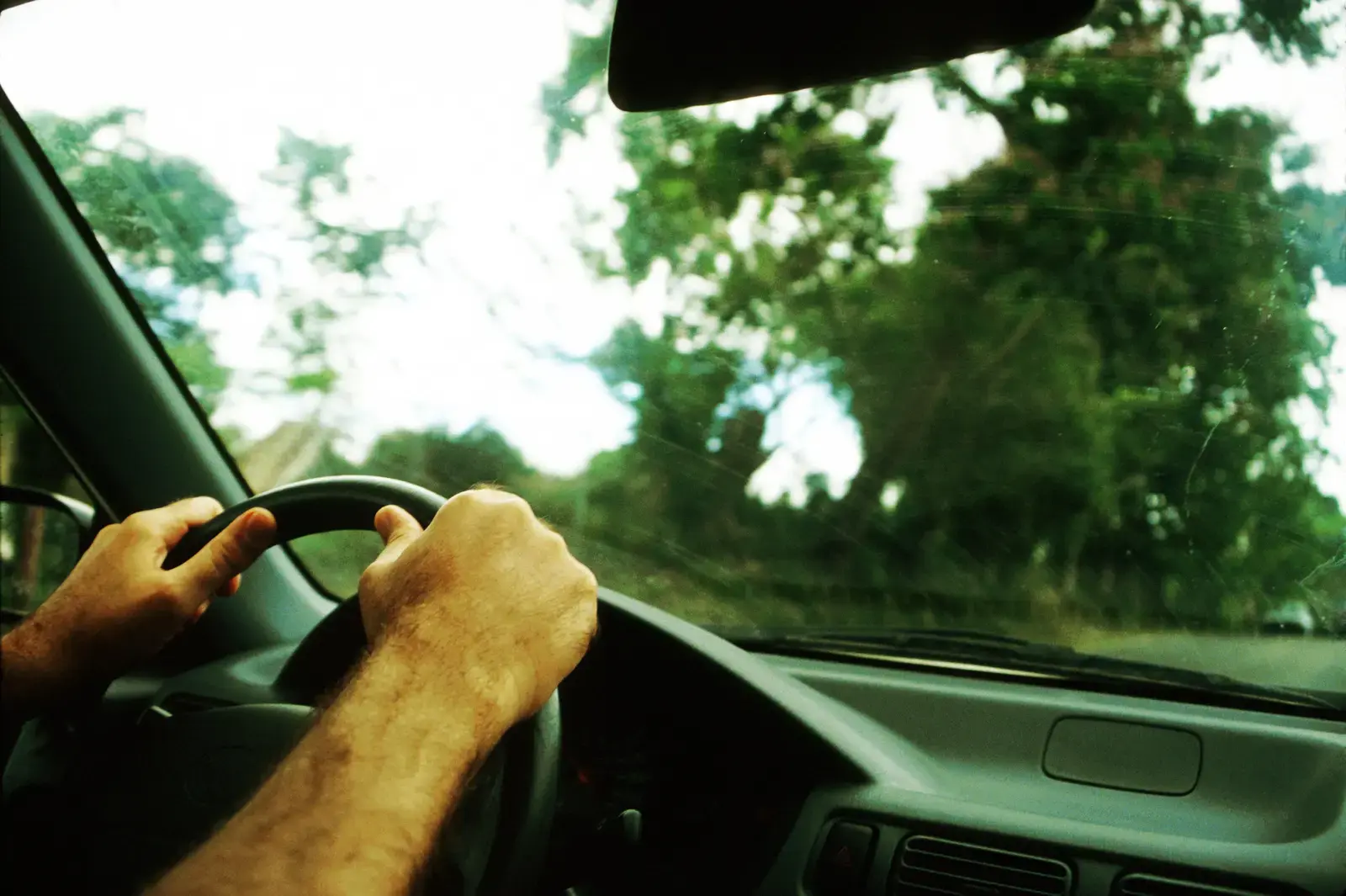
Hidden Streams of Digital Surveillance
Modern vehicles are transmitting detailed information about driver habits, locations, and vehicle health to manufacturers and third parties. This data exchange occurs continuously while the engine runs or even when the car sits parked. Industry experts warn that consumers often remain unaware of this digital surveillance. The practice has become standard across major automotive brands worldwide.
Latest news
 Why Meta's New AI Tool Fails to Win Over Daily Users
 Assessing Risks in Open-Source Artificial Intelligence
 Autonomous AI Agents Launch Cyberattacks Against North American Government Portals
 Warlock Group Targets SharePoint Servers in Critical Infrastructure
Automakers collect vast amounts of telemetry to improve product design and marketing strategies. Sensors track speed, acceleration patterns, and precise GPS coordinates. This information helps companies understand how customers actually use their vehicles. It also allows for targeted advertising based on driving behavior. The data flow is complex and often opaque to the average buyer.
The collection process relies on embedded software modules within the vehicle’s network. These systems communicate with cloud servers via cellular connections. Drivers rarely see explicit consent screens for every data point gathered. Instead, privacy policies buried in user manuals cover these practices. Manufacturers argue that data sharing enhances safety features and predictive maintenance. They claim it helps identify potential mechanical failures before they occur. However, critics note that personal data often outlives the vehicle itself.
Who Actually Benefits From Your Driving Habits?
Drivers can sometimes opt out of specific data sharing features through settings menus. Yet, many options are hidden deep within digital dashboards. Some cars allow users to disable location tracking entirely. Others only permit limiting the duration of data retention. The lack of standardized interfaces makes comparison difficult. Consumers must read fine print to understand what is being sold.
Manufacturers also sell anonymized data sets to technology partners. These partners develop new applications for in-car entertainment systems. The value of real-time traffic and usage data is immense. It powers navigation updates and software patches. While individual records are often stripped of names, re-identification remains possible. Combining multiple data points can reveal a specific person’s identity.
Frequently Asked Questions
Can I stop my car from sending data? Yes, most modern vehicles offer a settings menu to disable data sharing. You should look for options labeled telemetryor connected services. Disabling these features prevents most external transmission of driving habits.
Is the data collected always anonymous? Not necessarily. While raw data is often stripped of license plates and names, it can be linked back to individuals. If you log into a manufacturer's app, your account links directly to the vehicle's unique ID. This connection makes true anonymity difficult to achieve.
Do older cars send data too? Generally, no. Cars manufactured before 2016 typically lack built-in cellular modems. However, if you install a third-party tracker or use a smartphone app, data still flows. The vehicle itself does not transmit information without hardware support.
Comments
Leave a comment