
Dual-Channel Architecture Redefines Ambient Lighting
SwitchBot has introduced its latest smart lighting hardware, the RGBICWW Light Bars, designed specifically for the Apple Home ecosystem. These devices feature a distinct dual-channel architecture that separates standard white illumination from dynamic color effects. The product connects directly to home networks via Wi-Fi and supports Matter protocol standards. This integration allows for seamless control through the native Apple Home app without requiring third-party bridges or complex configuration steps during initial setup.
Latest news
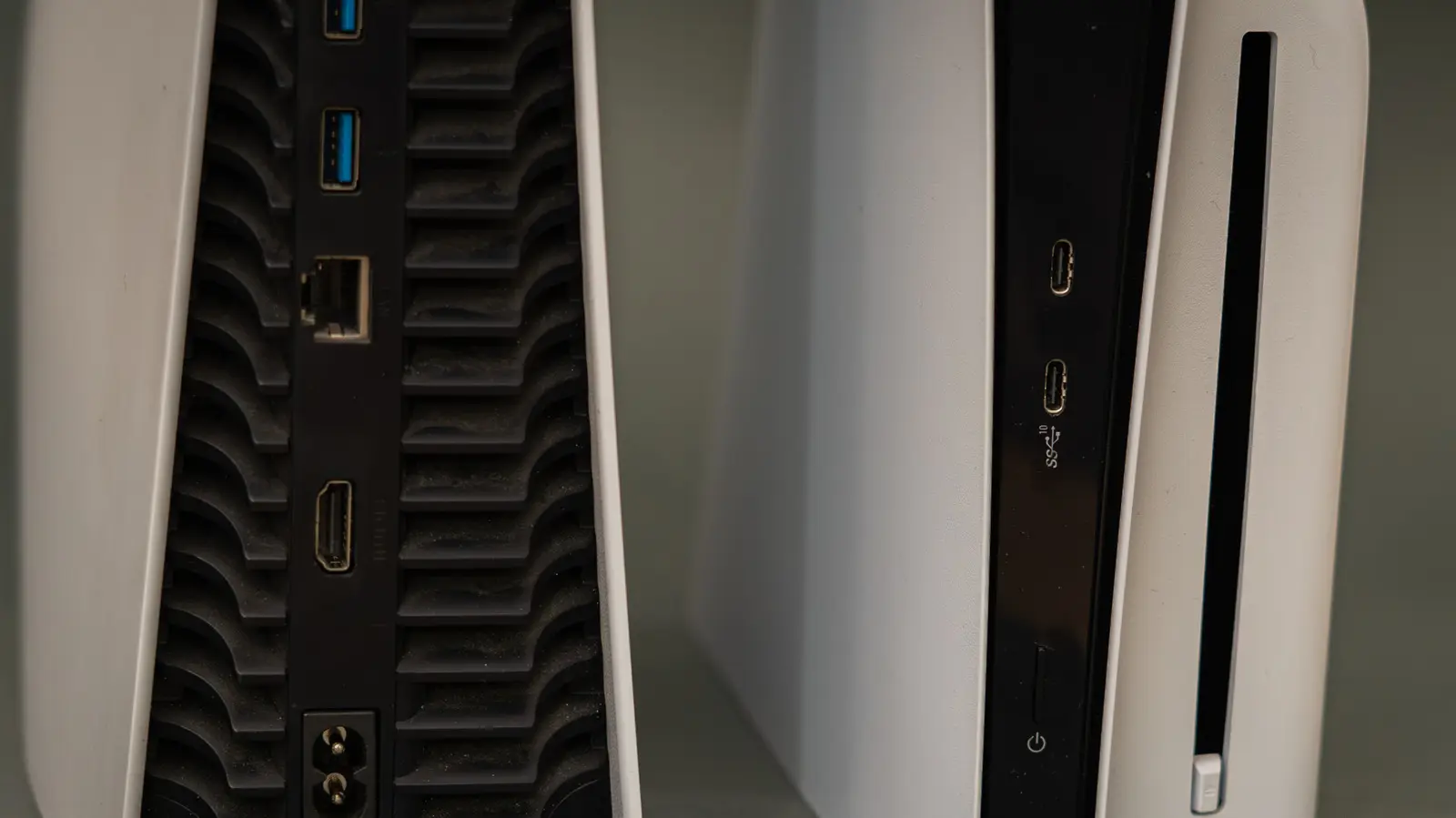 Is Your PlayStation 5 Plugged Into the Wrong HDMI Port?
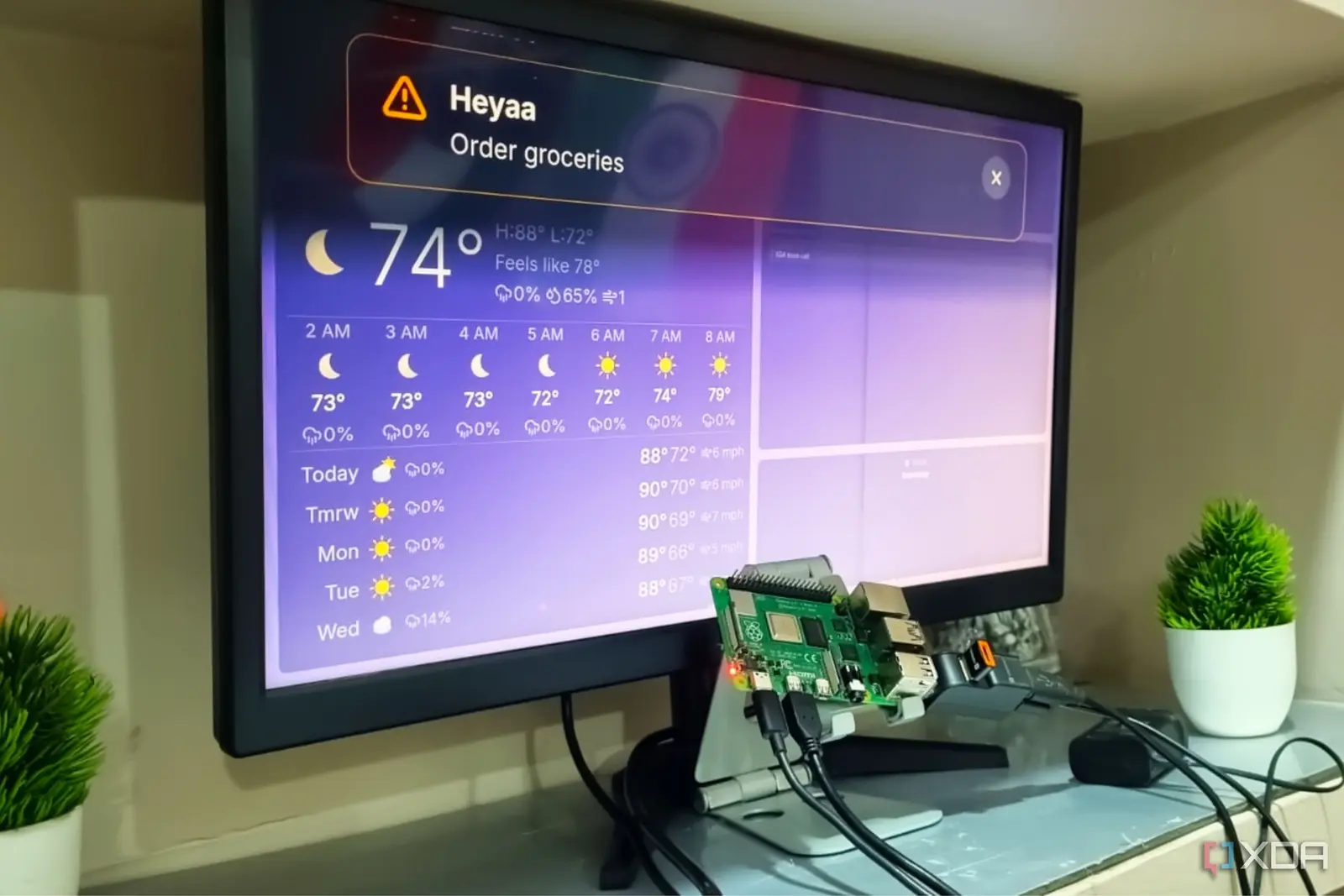 Reviving Old Hardware Into a Smart Household Command Center
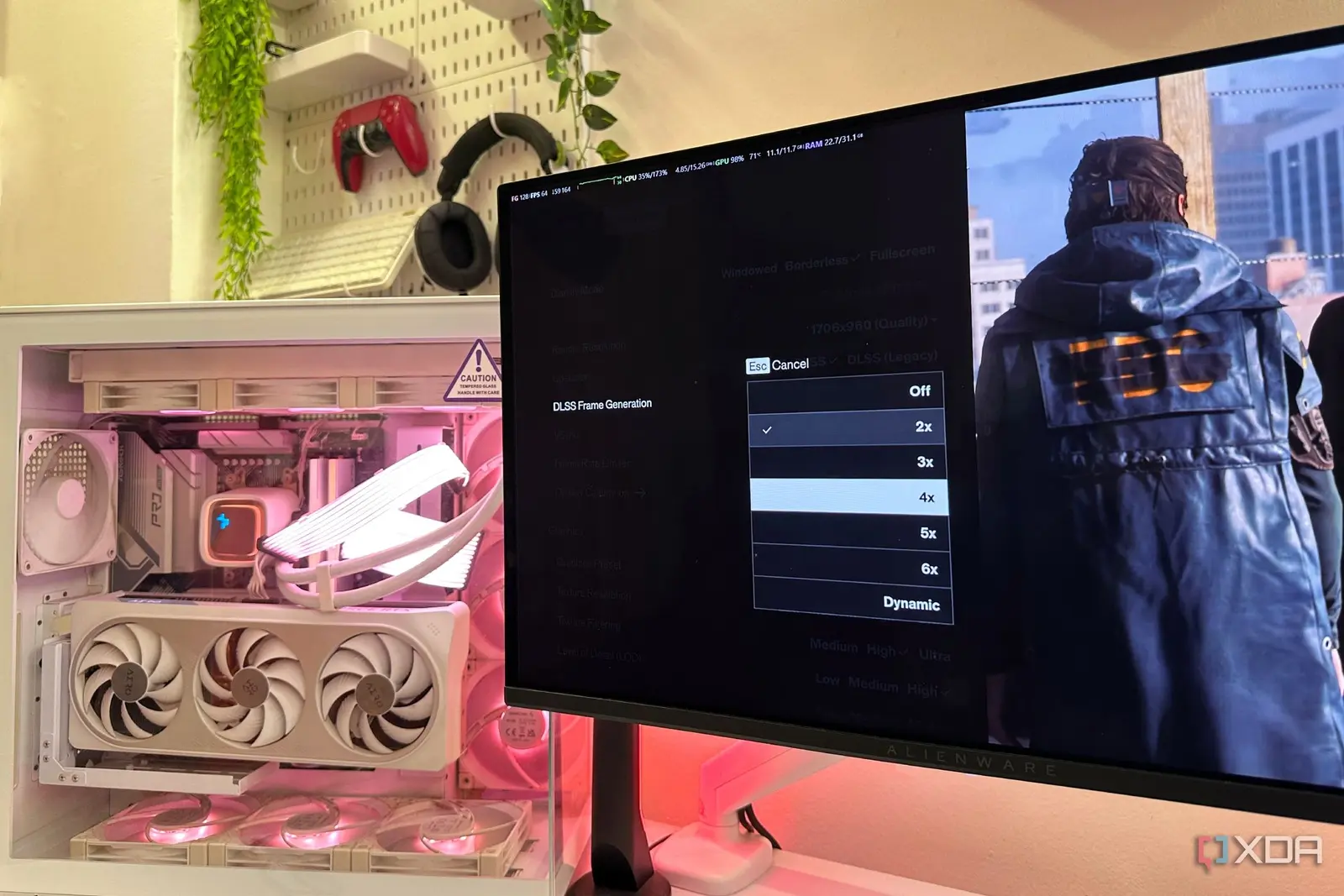 RTX 4070 Ti Owners Find New Performance Paths Without Hardware Upgrades
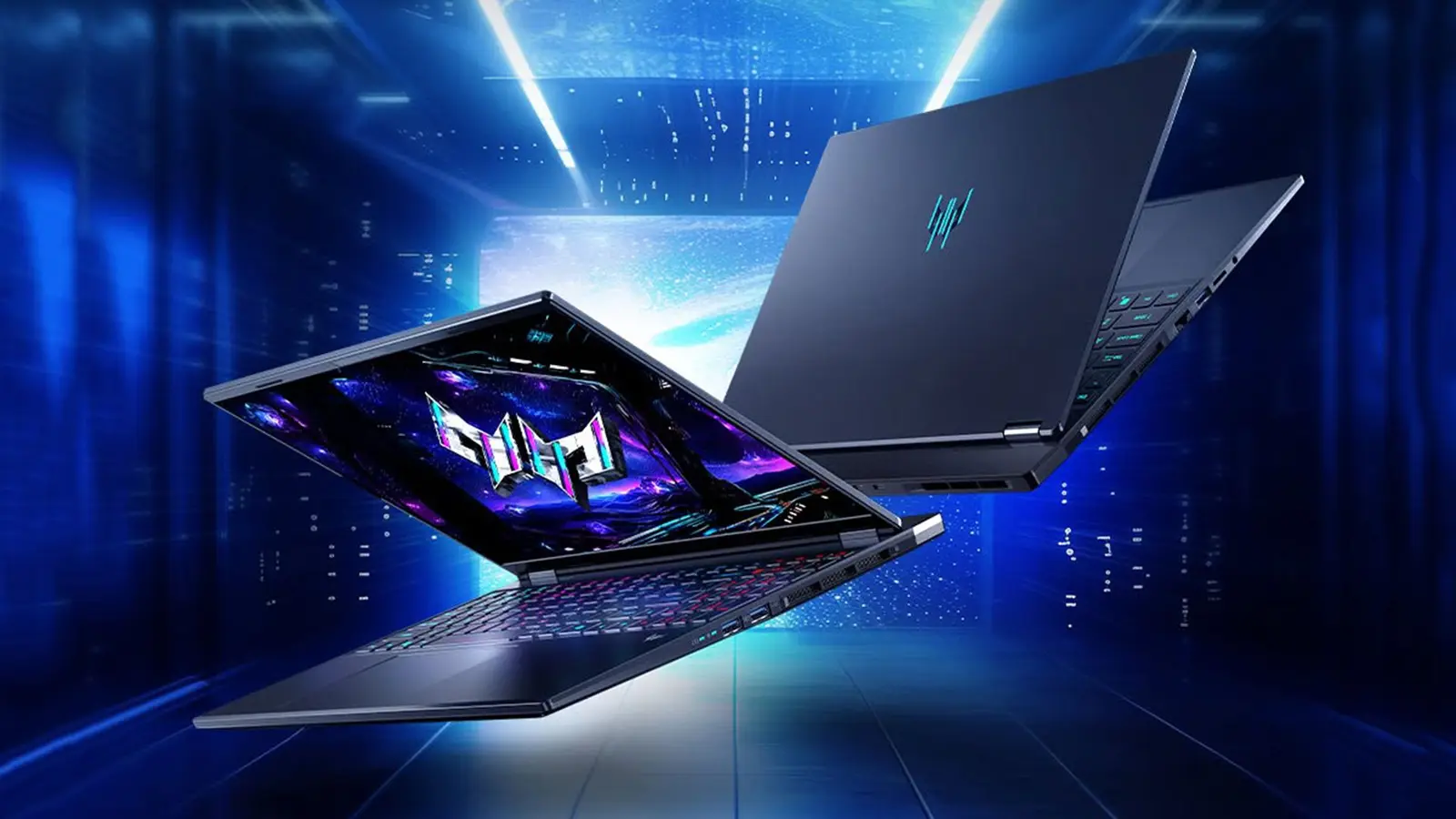 Acer Predator Helios Neo 16S AI Receives Significant Price Reduction
The primary innovation lies in the separation of light sources within each bar. Most competing products use a single set of LEDs to generate both white and colored light. SwitchBot includes dedicated cool-white and warm-white diodes alongside twelve independent RGBIC zones. This design ensures that white light remains crisp and consistent for tasks like reading or working. Meanwhile, the color zones can operate independently to create immersive background lighting for media consumption. Users gain precise control over brightness and temperature across all channels simultaneously.
Does Matter Support Ensure Long-Term Compatibility?
Traditional smart light strips often compromise on white light quality when switching to color modes. By isolating the white LEDs, SwitchBot prevents color cast issues during daily use. The twelve-zone capability allows for advanced effects such as gradient fades and synchronized movement. This granularity supports specific use cases like gaming setups where dynamic lighting enhances visual immersion. The system responds instantly to commands sent through the Apple Home interface. No additional hubs are needed for basic operation, simplifying the installation process for average consumers.
Matter support is a critical factor for modern smart home devices. It ensures interoperability across different platforms and brands. For Apple users, this means the light bars will function reliably even if other ecosystem components change. The Wi-Fi connection provides direct communication with the router, reducing latency. However, heavy reliance on local network stability may affect performance in crowded frequency bands. Users should ensure their routers support sufficient bandwidth for multiple streaming and control signals. The device firmware likely receives regular updates to optimize these connections over time.
The introduction of these bars signals a shift toward specialized hardware for specific lighting needs. General-purpose smart bulbs are giving way to targeted solutions that prioritize optical purity. As Matter adoption grows, expect more vendors to adopt similar dual-channel designs. This trend benefits consumers who demand high-fidelity lighting without sacrificing smart home convenience. Future iterations may include battery-powered options or integrated sensors for automatic adjustments based on ambient light levels. The market will see increased competition as other manufacturers respond to this specific architectural advantage.
Frequently Asked Questions
Do the light bars require a hub to work with Apple Home? No, the devices connect directly via Wi-Fi and support Matter. This allows them to integrate natively into the Apple Home app without additional hardware requirements.
How many color zones does each bar contain? Each unit features twelve independent RGBIC zones. This allows for detailed gradient effects and precise control over specific sections of the lighting array.
Comments
Leave a comment