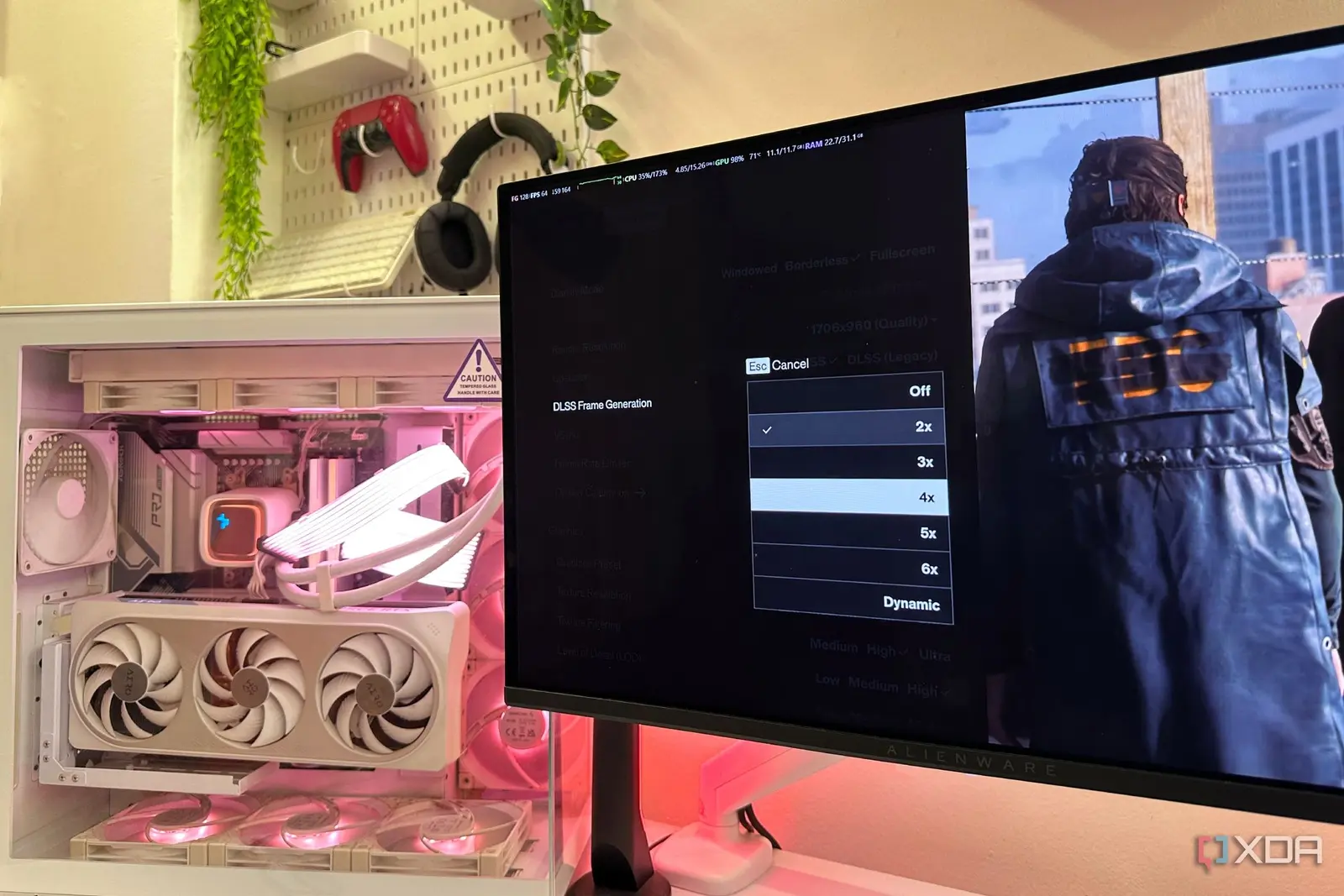
Software Updates Extend Hardware Lifespan
Three years after purchasing an RTX 4070 Ti, many users are discovering significant performance gains through software updates alone. Nvidia has released new features that extend the life of existing silicon. This trend challenges the idea that hardware upgrades are the only way to improve gaming performance.
Latest news
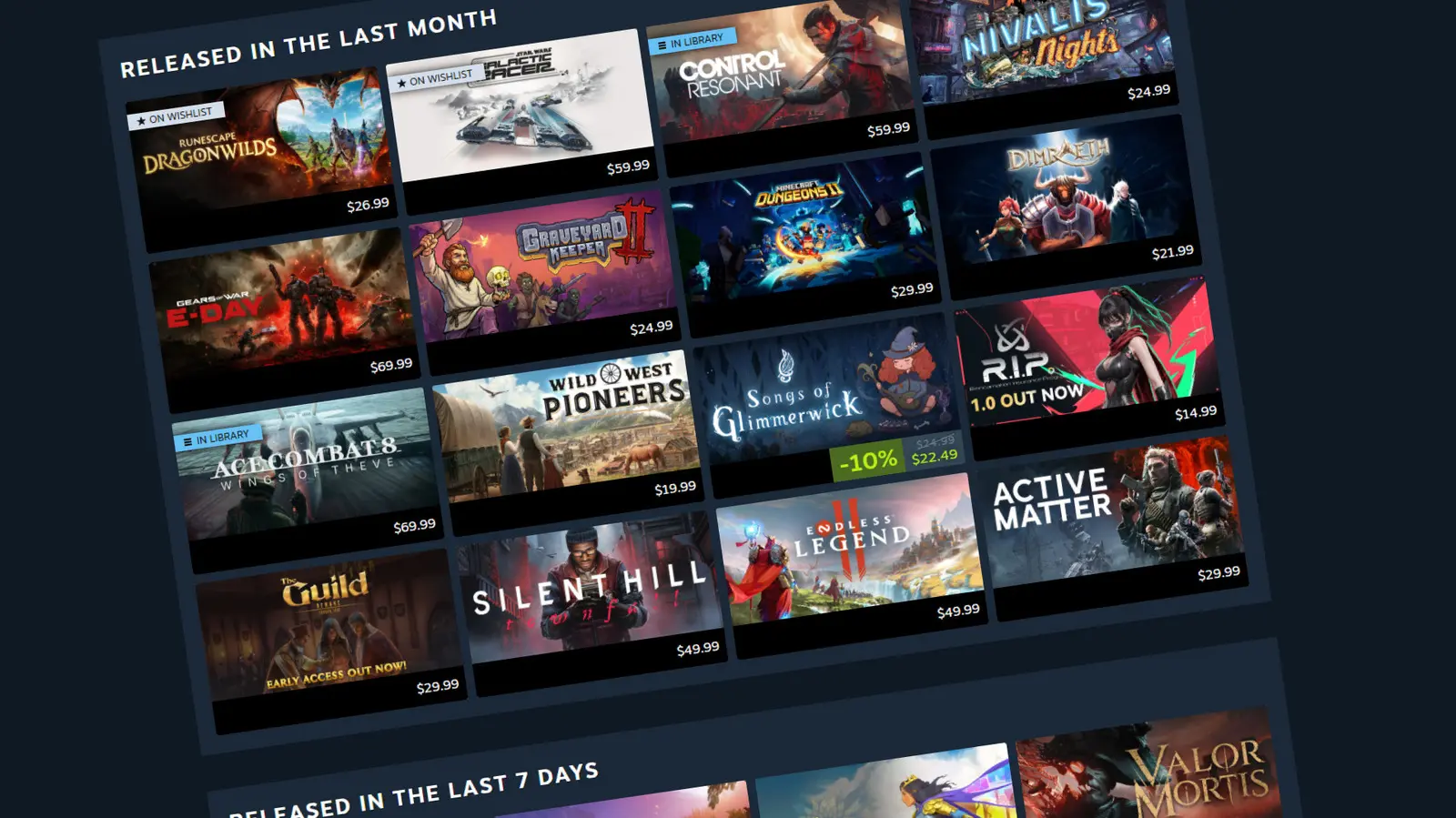 Steam rolls out Personal Calendar feature that constantly updates recommended games
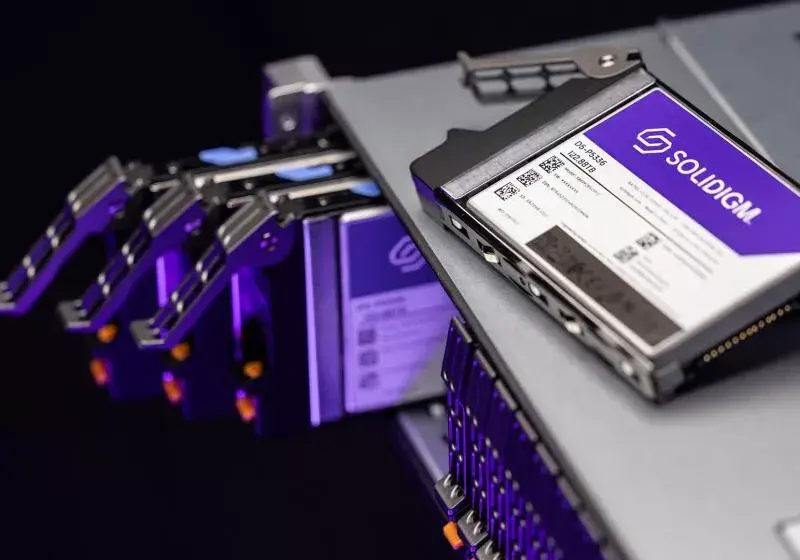 SK hynix builds US fab for Solidigm, scraps IPO plans
 PHP-ocalypse: How Two Critical Web Vulnerabilities Nearly Broke the Internet
 Cybersecurity Awareness Week: Why Apple’s Tools Aren’t Enough to Erase Your Data
The graphics card, launched in 2023, continues to receive meaningful enhancements. Users report that driver updates and new AI models have transformed their experience. This approach allows owners to maintain high frame rates without replacing their primary hardware component.
Nvidia’s recent focus on Multi Frame Generation (MFG) initially suggested a need for newer cards. However, users found alternative methods to achieve similar results. The company’s Smooth Motion feature provides a viable workaround for older architectures. This development demonstrates that firmware and driver improvements can unlock hidden potential.
Can Software Replace New Silicon?
Users have spent years tinkering with DLSS 5 settings to maximize output. These adjustments often yield better results than simply waiting for a new GPU launch. The flexibility of the current driver stack allows for granular control over rendering pipelines. This level of customization was not available when the card first hit the market.
The debate over hardware obsolescence is shifting as software capabilities grow. Many gamers previously assumed that a three-year-old GPU would become obsolete quickly. Instead, the RTX 4070 Ti remains competitive in high-resolution gaming scenarios. This longevity is driven by continuous optimization of neural rendering techniques.
Nvidia’s strategy appears to prioritize ecosystem retention over immediate hardware sales. By improving existing cards, the company fosters brand loyalty among its user base. This method reduces the environmental impact of frequent hardware replacements. It also lowers the financial barrier for enthusiasts seeking higher frame rates.
Frequently Asked Questions
The future of PC gaming may rely less on raw transistor counts. Instead, it will depend on how efficiently software utilizes existing resources. As AI models become more sophisticated, older hardware may continue to perform well. This shift could redefine the upgrade cycle for the next decade.
Does Multi Frame Generation require a new GPU? No, while newer cards support it natively, users can achieve similar effects with Smooth Motion. Software updates allow existing RTX 40 series cards to benefit from these advancements.
How long will the RTX 4070 Ti remain relevant? It is expected to stay competitive for several more years due to ongoing driver improvements. New DLSS models continue to enhance its performance capabilities significantly.
Comments
Leave a comment