
Industry analysts note that undercutting established leaders like LG and
Roku has launched its first OLED televisions, the Pro Series OLED and Pro Series LX OLED, replacing its previous LCD-based Pro lineup entirely. The base 55-inch model starts at $999, positioning the sets below entry-level offerings from Samsung and LG. This marks a significant shift for the company, traditionally known for affordable streaming sticks and budget-friendly smart TV platforms, as it moves directly into premium display technology with competitive pricing. The move represents a bold expansion of Roku’s hardware ambitions beyond its core streaming business. By introducing OLED panels at this price point, Roku aims to attract consumers seeking high-end picture quality without the premium typically associated with the technology. The Pro Series OLED models feature 4K resolution, HDR support, and Roku’s integrated smart TV interface, while the LX variant offers a more streamlined version of the same technology.
Latest news
 Anthropic Unveils Claude Duet For Background AI Tasks
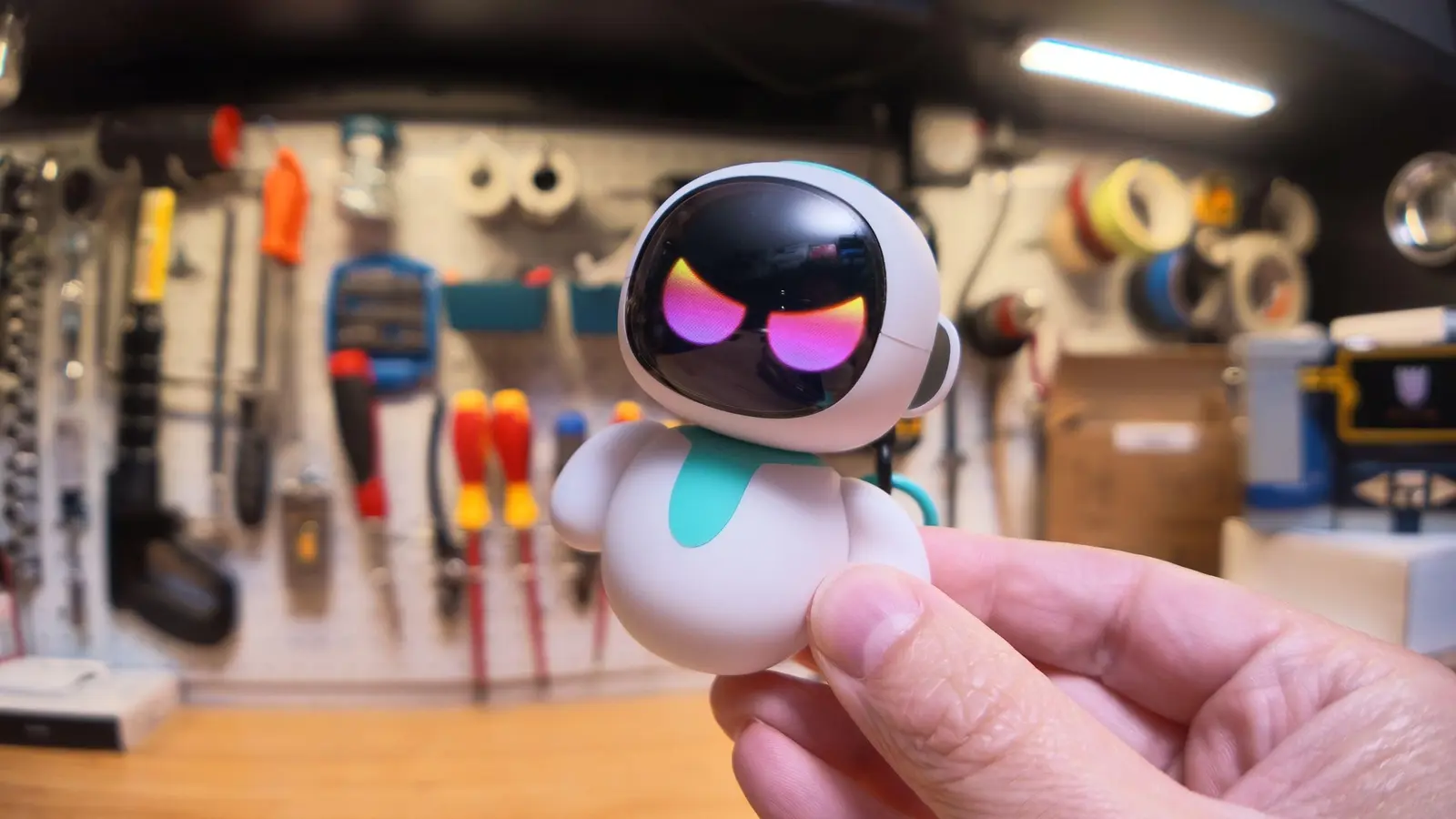 Eiliko Creator Hires Independent Security Firm After Flawy Robot Charm Exposed
 Musk Compares Optimus Robot Training to Raising a Toddler
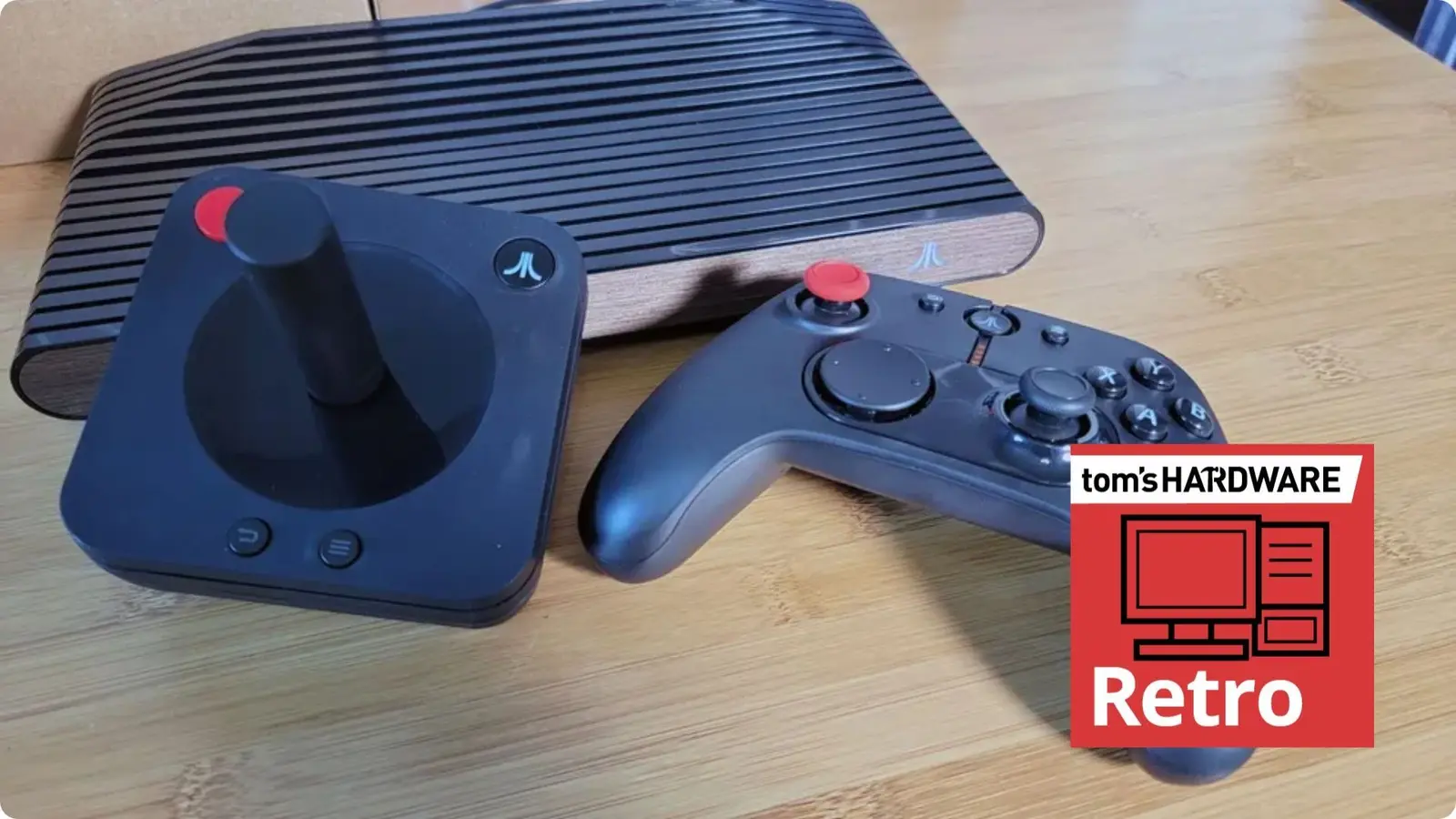 Atari VCS Software Store Closes in February 2027
Industry analysts note that undercutting established leaders like LG and Samsung could disrupt market expectations, particularly in the mid-to-high tier segment where OLED adoption has been growing steadily. How Roku Plans to Compete in the Premium TV Space Roku’s strategy hinges on leveraging its strong brand recognition in streaming to justify a leap into OLED manufacturing. The company emphasizes that its TVs are designed to work seamlessly with its popular operating system, which powers millions of streaming devices worldwide. Unlike competitors that rely on third-party smart platforms, Roku controls both the hardware and software experience, potentially offering a more cohesive user interface. The Pro Series lineup also includes features like variable refresh rate and low input lag, targeting gamers and home theater enthusiasts who demand performance alongside visual fidelity.
Roku claims the OLED panels deliver deep blacks, vibrant colors, and wide
Roku claims the OLED panels deliver deep blacks, vibrant colors, and wide viewing angles, matching or exceeding benchmarks set by more expensive models. What Does This Mean for the Future of TV Pricing? The aggressive pricing of Roku’s OLED TVs could pressure competitors to reassess their own entry-level OLED strategies, potentially accelerating price declines across the category. If Roku gains traction, it may encourage other streaming-focused brands to consider similar vertical integrations. However, challenges remain, including scaling production, ensuring long-term panel reliability, and building consumer trust in a new hardware category. Success will depend not only on initial sales but also on Roku’s ability to deliver consistent software updates and customer support. For now, the launch signals Roku’s intent to be taken seriously as a full-spectrum TV manufacturer, not just a provider of streaming accessories.
Frequently Asked Questions What sizes are available in Roku’s new OLED lineup?
The initial launch includes a 55-inch model as the base offering, with larger sizes expected to follow in subsequent releases, though specific dimensions beyond 55 inches have not been disclosed yet. How does the Roku Pro Series OLED compare to LG’s entry-level OLED? Roku’s base 55-inch OLED starts at $999, which is below the typical starting price for LG’s entry-level OLED models, often priced around $1,199 or higher depending on promotions and region. Will Roku’s OLED TVs support popular streaming services natively? Yes, the TVs run Roku’s native operating system, providing direct access to major streaming platforms like Netflix, Disney+, HBO Max, and others without requiring external devices.
Comments
Leave a comment