
Balancing Audiophile Precision With Gaming Demands
Audio manufacturer FiiO has launched the FG3, a high-end gaming headset designed for PC and console users. The device targets enthusiasts who prioritize sound quality over traditional gaming gear. This release marks a significant expansion for the company, which previously focused exclusively on portable digital audio players and external converters. The headset aims to bridge the gap between casual gaming audio and professional-grade listening experiences.
Latest news
 Anthropic Unveils Claude Duet For Background AI Tasks
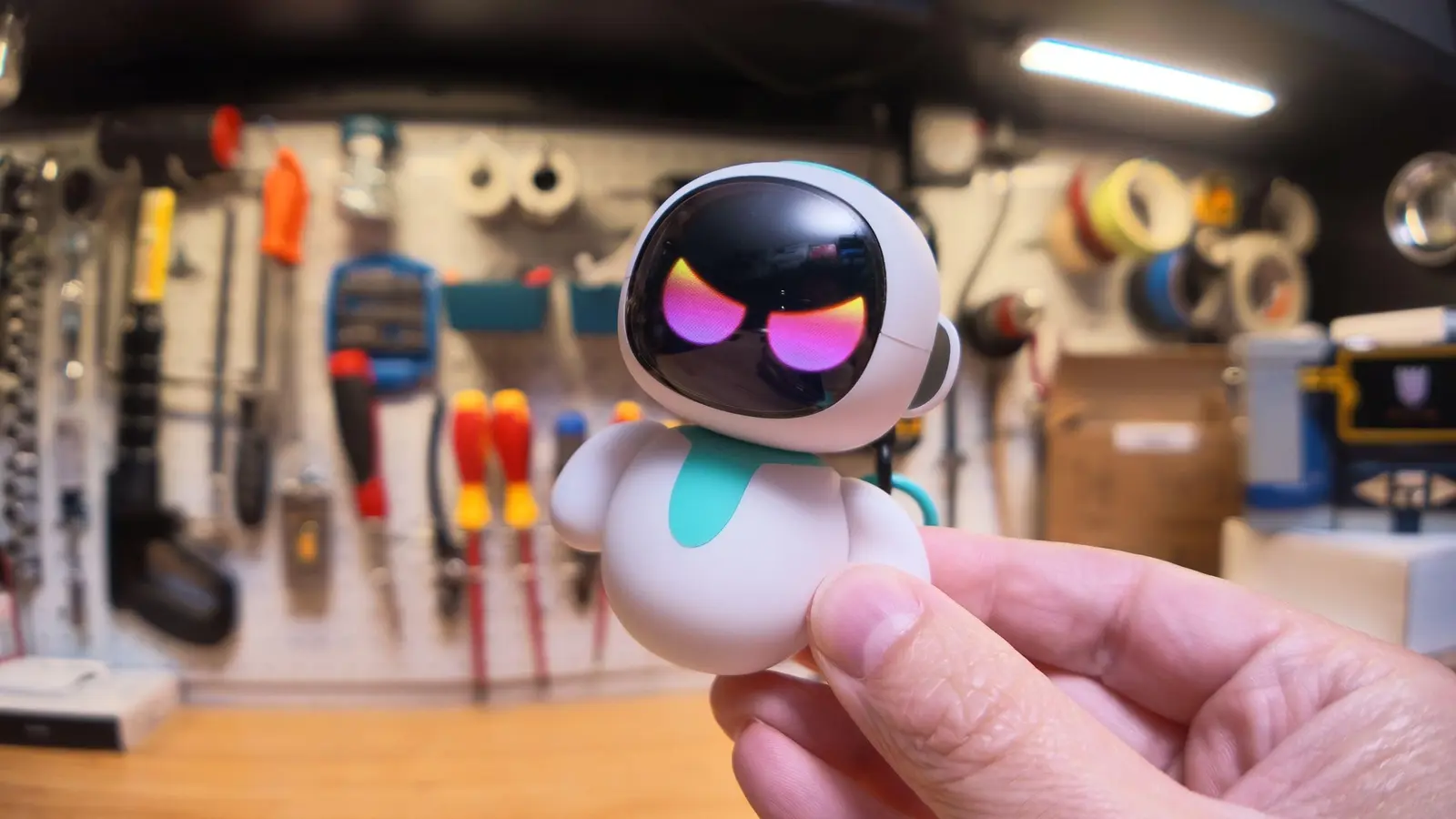 Eiliko Creator Hires Independent Security Firm After Flawy Robot Charm Exposed
 Musk Compares Optimus Robot Training to Raising a Toddler
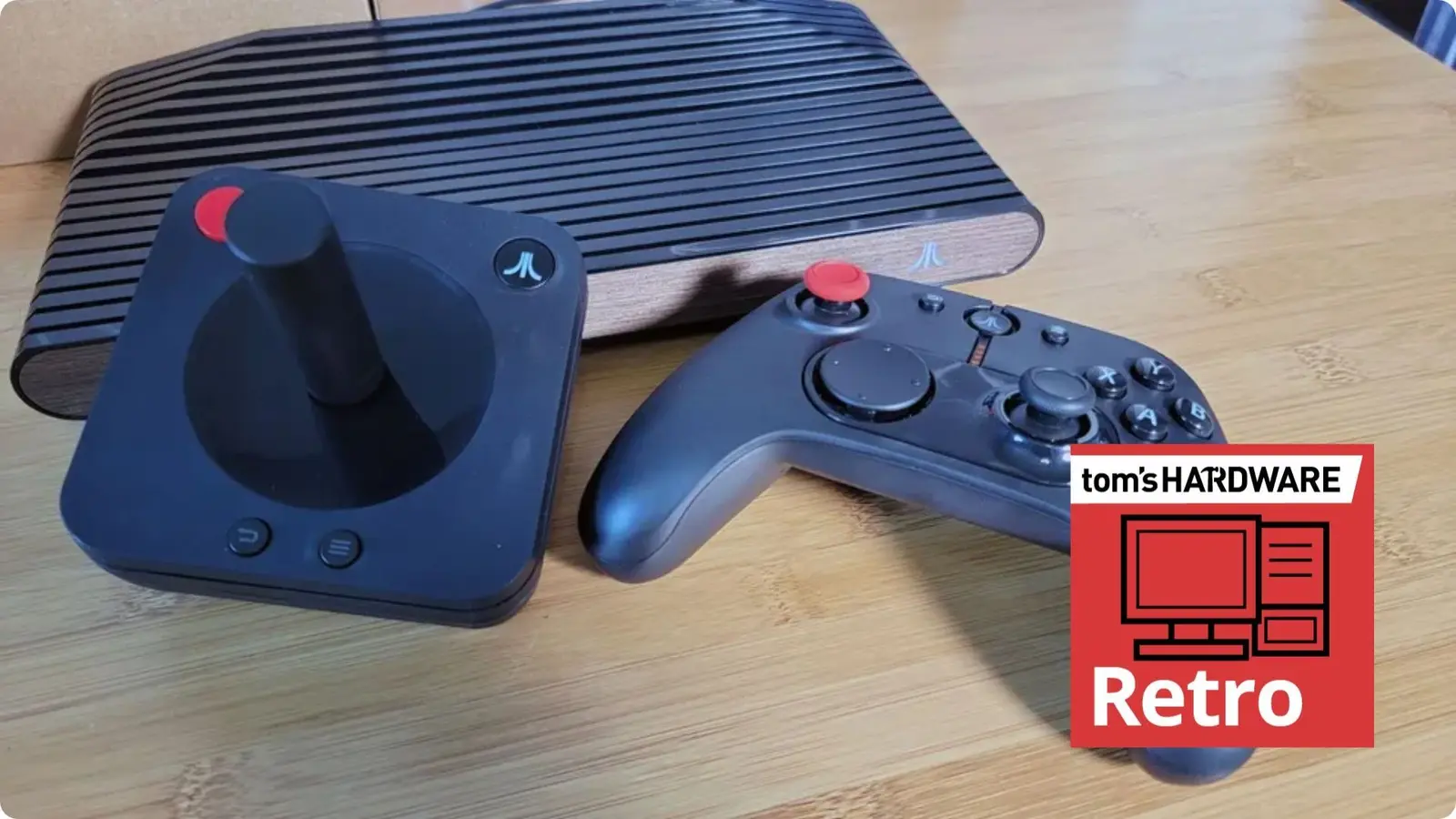 Atari VCS Software Store Closes in February 2027
The move into the gaming sector is unexpected for many industry observers. FiiO built its reputation through devices like the JM21 player and the FA15 DAC. These products are staples in the audiophile community. By releasing the FG3, the brand attempts to apply its audio engineering expertise to a new demographic. The headset features advanced drivers and low-latency wireless technology. It competes directly with established brands that have long dominated this specific niche.
The FG3 offers impressive technical specifications on paper. It utilizes high-resolution audio codecs to deliver detailed soundscapes. Gamers can expect clear positional audio, which is critical in competitive multiplayer titles. However, the headset faces challenges in real-world application. Some reviewers note that the driver tuning favors clarity over bass impact. This approach suits strategy or role-playing games but may feel lacking in action-heavy shooters. The wireless connection remains stable during extended sessions. Battery life supports multiple hours of continuous play without interruption.
Does the Price Justify the Performance?
Comfort is another key factor for long gaming marathons. The ear cushions provide adequate support, though they may run warm for some users. The headband distributes weight evenly across the skull. Microphone quality is decent for voice chat, though it lacks the noise cancellation found in premium rivals. The software suite allows users to adjust equalizer settings easily. This customization helps tailor the audio profile to individual preferences.
Pricing places the FG3 in the upper tier of gaming headsets. Buyers must weigh the cost against the benefits of FiiO’s audio heritage. While the build quality is robust, the price point demands exceptional performance. Early feedback suggests the headset excels in single-player narrative experiences. The immersive soundstage enhances cinematic moments significantly. Yet, competitive gamers might find the lack of aggressive bass response limiting. The decision to purchase depends heavily on the user’s primary game genres. Those seeking pure fidelity will likely appreciate the nuanced detail. Casual players might prefer more affordable alternatives with punchier sound profiles.
The launch of the FG3 signals a broader trend in audio hardware. Manufacturers are increasingly targeting the gaming demographic with high-fidelity components. This shift could reshape expectations for what a gaming headset should sound like. If FiiO succeeds, other audio-centric brands may follow suit. The market may see a rise in hybrid devices that serve both gaming and music listening needs. For now, the FG3 stands as a bold experiment. It appeals to a specific subset of buyers who refuse to compromise on audio integrity.
Frequently Asked Questions
Is the FiiO FG3 compatible with mobile devices? Yes, the headset supports Bluetooth connectivity for smartphones and tablets. Users can pair it with Android or iOS systems for casual gaming. The latency is acceptable for most mobile titles.
Does the FG3 include a wired mode? The device offers a wired option via a USB-C cable. This mode provides lower latency and eliminates battery drain. It is ideal for desktop setups where wireless interference is a concern.
How does the microphone perform in noisy environments? The built-in mic captures clear voice but lacks advanced noise isolation. Background sounds may bleed into recordings if the environment is loud. External microphones are recommended for professional streaming setups.
Comments
Leave a comment