Scaling Production for Real-World Data Collection
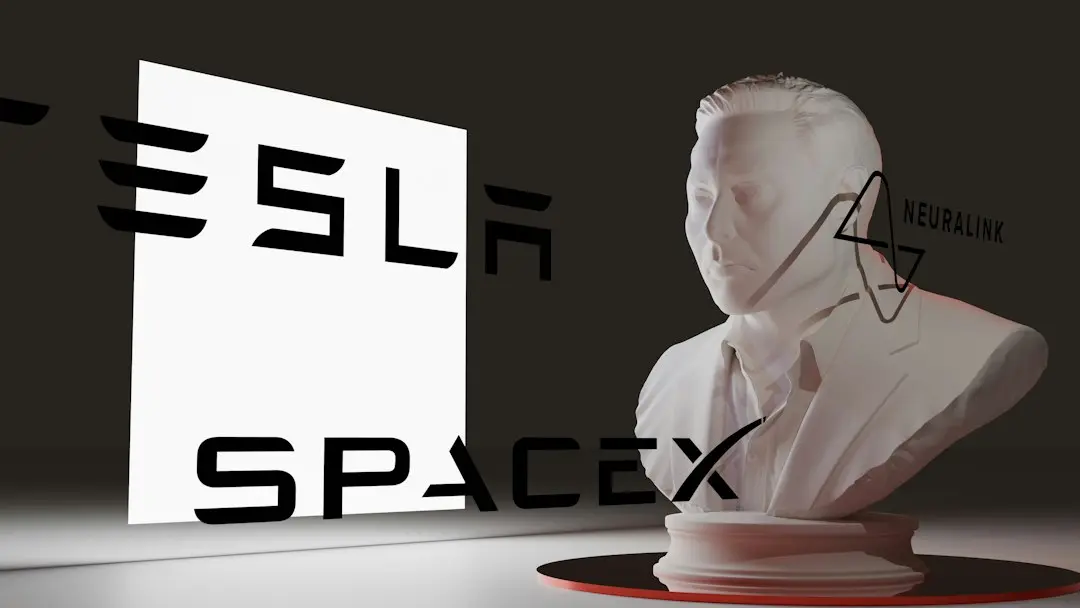
Tesla CEO Elon Musk stated that training the company’s Optimus humanoid robots resembles raising a toddler. He made this comparison during Tesla’s third-quarter earnings call on October 21. The executive emphasized that the machines require extensive practical experience to learn complex tasks effectively. This insight highlights the current stage of development for Tesla’s ambitious robotics initiative.
Latest news
 Major AI firms recorded peak lobbying expenses last summer
 Apple Magic Keyboards for iPad Drop to Half Price at Woot
 Microsoft Provides Fix for Broken Exchange Online Apps
 Security Breach at AI Aggregator Exposes 18 Million Files and Private Chats
The core challenge lies in generating sufficient training data for the artificial intelligence systems. Musk explained that the robots must physically perform actions to gather the necessary information. Unlike software that can be simulated easily, physical embodiment requires real-world interaction. The goal is to enable the units to handle diverse household and industrial chores autonomously. This approach mirrors human child development, where repetition builds muscle memory and cognitive skills over time.
Why Volume Matters More Than Perfect Prototypes
To achieve this learning curve, Tesla plans to manufacture a massive number of units. Musk indicated that the company needs to build between 10,000 and 20,000 Optimus robots. This large fleet will serve as a distributed network for data collection. Each robot acts as an independent sensor and actuator in various environments. The more units deployed, the faster the collective AI model improves. Tesla recently initiated production on a dedicated Optimus assembly line in Fremont, California. This facility marks a significant shift from prototype testing to scaled manufacturing. The new line is designed to streamline the creation of these humanoid figures. It allows engineers to focus on refining the neural networks that control movement and decision-making.
The strategy relies on volume rather than just individual perfection. By deploying thousands of units, Tesla can capture edge cases and rare scenarios. These experiences are crucial for training robust general-purpose AI. The robots will likely start in controlled settings before moving to broader applications. This phased rollout minimizes risk while maximizing learning opportunities. The financial investment in hardware is substantial but viewed as essential for long-term dominance in robotics.
Musk argued that waiting for a single perfect robot would stall progress. Instead, a fleet of imperfect robots generates valuable feedback loops. Every stumble or successful task provides data for the central system. This iterative process accelerates the path to full autonomy. The comparison to a toddler underscores the patience required in the process. Just as children need years of guidance, robots need consistent operational hours. The Fremont production line is now critical to meeting this volume target. Investors are watching closely to see if Tesla can maintain this pace. The success of this initiative could define the next decade of automation technology.
Frequently Asked Questions
How many Optimus robots does Tesla plan to build? Elon Musk stated that Tesla needs to produce between 10,000 and 20,000 units. This volume is necessary to generate enough training data for effective learning.
Where is the new Optimus production line located? The dedicated assembly line operates in Fremont, California. It recently began production to support the scaling of the humanoid robot program.
Comments
Leave a comment