How the Drone‑Based System Maintains Stability
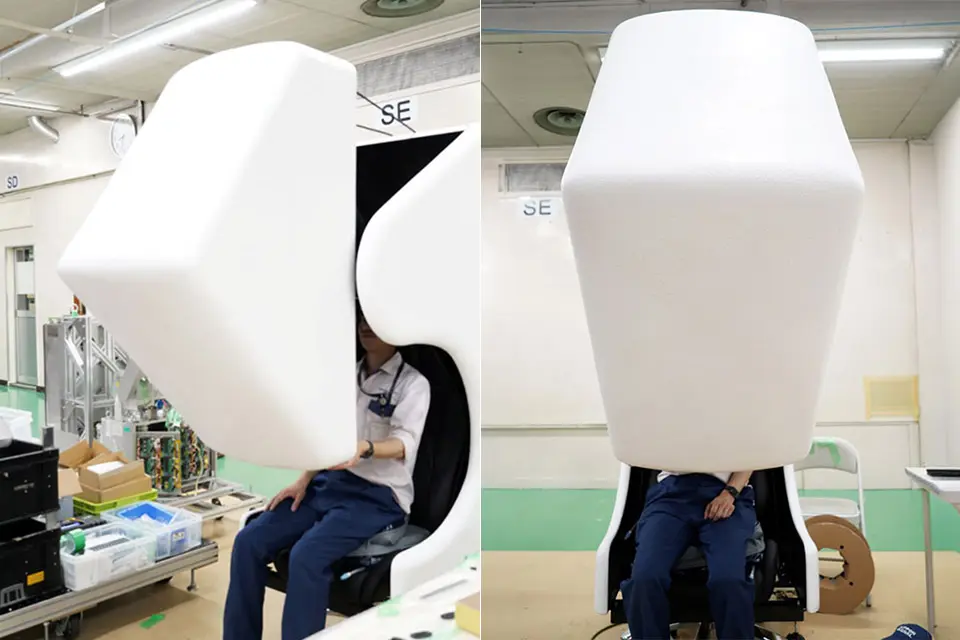
Associate Professor Shogo Fukushima at Kyushu University in Japan tested a new type of floating head‑mounted display that eliminates the need for a traditional headset. The device, unveiled in early October 2026, uses lightweight, tethered drones to support a lightweight screen that hovers close to the user’s face, allowing extended immersion without the bulk of conventional gear.
Latest news
 Corsair Vengeance DDR5-6000 Kit Offers Ideal Speed for AMD Builds
 Hide.me VPN releases major Android update
 Hackers launch massive PHP2Shell attack wave
 Googlebooks are not yet ready for prime time
The concept arose from user complaints about the discomfort of long‑term headset use. „Spending a full day inside a virtual world sounds simple until the hardware starts pressing on your face,” Fukushima explained. The mountless system employs a small, battery‑powered drone that stabilizes the screen in the user’s line of sight. The screen’s weight is under 200 grams, and the drone’s propellers are positioned to avoid contact with the wearer’s head or neck.
Can This Technology Replace Traditional Headsets?
The core of the technology is a miniature quadcopter that hovers a few centimeters above the user. It uses a combination of gyroscopic sensors and optical tracking to keep the display steady, even when the wearer moves. The screen is attached to a lightweight arm that extends from the drone, keeping the visual field centered. Researchers at Kyushu University report that the system achieves a latency of less than 20 milliseconds, which is critical for preventing motion sickness in virtual environments.
The design also addresses battery life concerns. Each drone can operate for up to two hours on a single charge, and the system includes a quick‑swap battery compartment that allows users to replace depleted batteries without removing the device. The drones are powered by lithium‑polymer cells that provide a high energy density while keeping the overall weight low.
Fukushima believes the mountless approach could complement, rather than replace, existing headsets. „The key advantage is freedom of movement and reduced physical strain,” he said. However, the system’s current range is limited to indoor spaces, and its deployment in outdoor or large‑scale environments remains untested. Critics also point out that the drones’ propellers could pose safety risks if the user is in a crowded area.
The Future of Immersive Experiences
Despite these challenges, the technology has attracted interest from both gaming and professional sectors. Early prototypes have been showcased at virtual reality trade shows, and several companies are reportedly exploring collaborations to integrate the drone display into their product lines.
If the mountless aerial headset can overcome its current limitations, it could redefine how people interact with virtual worlds. By eliminating the bulk of traditional headsets, users may experience longer sessions with less fatigue, opening new possibilities for gaming, training simulations, and remote collaboration. The next steps will involve refining the drone’s stability algorithms, extending battery life, and ensuring safety in diverse environments.
What is the battery life of the mountless headset? Each drone can run for up to two hours on a single charge, with a quick‑swap battery compartment for extended use.
Frequently Asked Questions
Is the system safe for use in crowded spaces? Safety remains a concern; the propellers could pose risks in close quarters, and the current design is best suited for controlled indoor settings.
Will this replace conventional VR headsets? It is likely to complement rather than replace existing headsets, offering increased freedom of movement and reduced physical strain.
Comments
Leave a comment