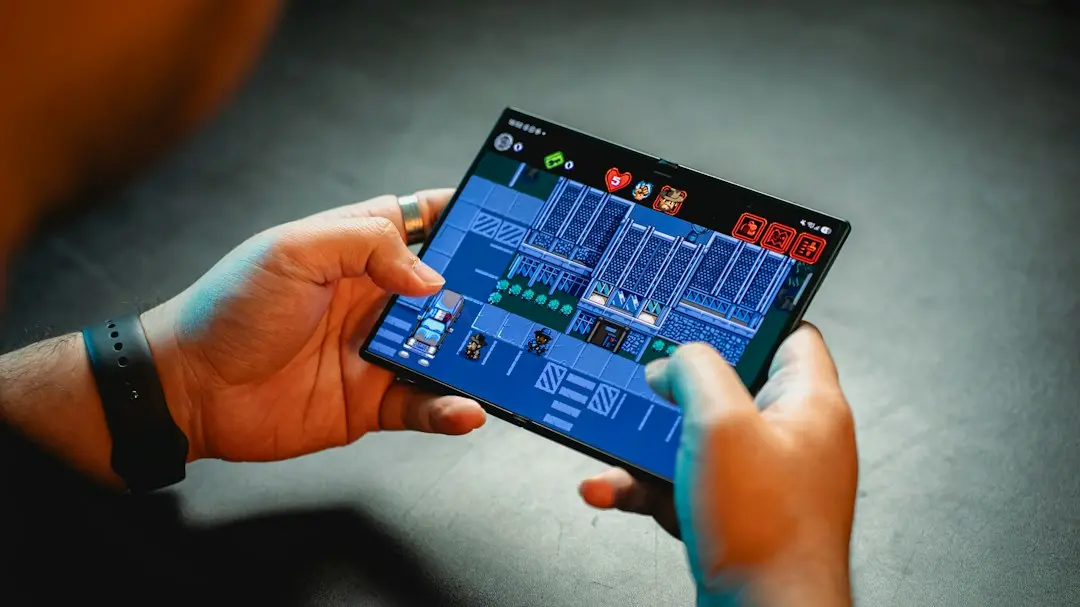
Some users reported hinge stiffness over time, and the outer screen felt
Google launched its first foldable smartphone, the Pixel Fold, in 2023, entering a market still navigating early-stage challenges with durability, usability, and app optimization. Despite initial skepticism, the device offered a compelling blend of Google’s software expertise and hardware ambition, arriving when foldables were still considered niche experiments rather than mainstream contenders. The Pixel Fold arrived amid growing pains in the foldable category, with competitors like Samsung refining their designs but still facing issues with screen creases, hinge reliability, and software adaptation. Google’s entry brought its signature clean Android experience, optimized for large screens, and a camera system leveraging its computational photography strengths.
Latest news
 Corsair Vengeance DDR5-6000 Kit Offers Ideal Speed for AMD Builds
 Hide.me VPN releases major Android update
 Hackers launch massive PHP2Shell attack wave
 Googlebooks are not yet ready for prime time
Reviewers noted the device felt more polished than expected, particularly in multitasking and app continuity, even as its thickness and weight drew criticism. Ahead of the Curve in Software Integration What set the Pixel Fold apart was Google’s deep software integration, which made the unfolding experience feel intuitive and productive. Features like taskbar persistence, drag-and-drop between apps, and seamless transitions between cover and main screens demonstrated a level of tablet-ready thinking that many Android manufacturers were still catching up to. This software foresight meant the device aged better than its rivals, gaining relevance as foldable-friendly apps became more common. Could Google Have Done Better With Hardware? While the software impressed, the Pixel Fold’s hardware faced limitations typical of first-generation foldables. The device was notably thick when closed, and its battery life struggled under heavy use due to the power demands of dual screens.
Some users reported hinge stiffness over time, and the outer screen felt cramped for daily use. These flaws kept it from mass appeal, but they did not undermine its core vision. The Pixel Fold may not have achieved commercial success, but it established a blueprint for how Google could approach future foldables—prioritizing software cohesion and user experience over raw specs. Its legacy lives on in subsequent Pixel devices and Google’s continued push to refine Android for larger screens. As the foldable market matures, the original Pixel Fold stands as an early attempt that anticipated where the industry was headed, even if the technology wasn’t quite ready to follow. Frequently Asked Questions Was the Pixel Fold successful in sales?
Is the Pixel Fold still worth buying today?
No, the Pixel Fold did not achieve strong sales numbers due to its high price, bulky design, and limited market awareness, but it was praised for its software innovation and build quality relative to other early foldables.
Is the Pixel Fold still worth buying today? While outdated in hardware, the Pixel Fold can still be found at reduced prices and offers a unique Android tablet-phone hybrid experience, though buyers should consider battery degradation and lack of long-term software support.
Did Google learn from the Pixel Fold’s shortcomings? Yes, Google applied lessons from the Pixel Fold to later device strategies, focusing on refining software for foldables and improving hardware partnerships, though it has not released a direct successor as of now.
Comments
Leave a comment