
A Pivot Toward Practicality
In 2020, Google faced a precarious moment for its smartphone division. The global pandemic and severe supply chain disruptions hindered the company’s ambitious roadmap for its flagship devices. Amidst this chaotic landscape, the Pixel 5 emerged as a pragmatic solution, navigating a difficult market climate that threatened to derail the brand entirely.
Latest news
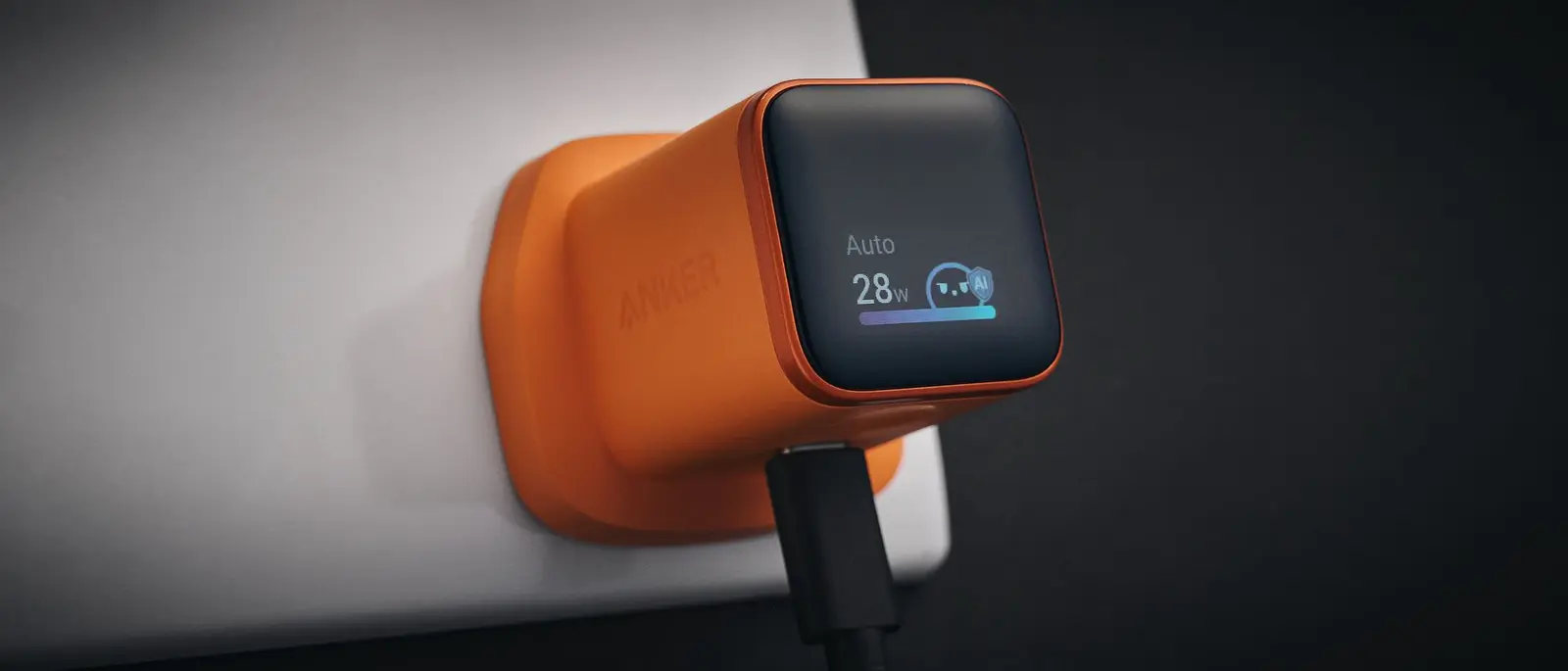 Anker Unveils Playful 45W Charger With Animated Face Display
 Google Docs Web Version Still Missing Native Dark Mode
 Anthropic-Linked Vulnerability Exploited From China, Targets US and Japan
 Text‑Based AI Agents: Your New Digital Assistants
Google’s grand aspirations for its hardware lineup were effectively put on hold as the world transitioned into lockdown. With key features compromised by external constraints, the company had to pivot quickly. The resulting device was not a flashy powerhouse, but a calculated response to a year defined by uncertainty and scarcity.
The Pixel 5 arrived at a time when consumers were less interested in experimental hardware and more focused on reliability. By scaling back on high-end components that were difficult to source, Google prioritized essential functionality. This strategic retreat allowed the company to maintain a presence in the market while competitors struggled with manufacturing delays.
Was the Pixel 5 an Underrated Success?
The device served as a stabilizer for a brand that had been losing its footing. Instead of chasing fleeting trends, Google leaned into the strengths of its software ecosystem. This approach helped keep the Pixel series relevant during a period when many other tech projects were abandoned or indefinitely delayed.
Looking back, the device is often overlooked in discussions about flagship evolution. However, its existence proved that adaptability is just as important as innovation during a global crisis. The phone successfully bridged the gap between the company's past struggles and its future hardware ambitions, proving that sometimes the best strategy is simply surviving the storm.
Frequently Asked Questions
The legacy of the Pixel 5 remains tied to its role as a bridge. It demonstrated that a grounded, realistic product could hold its own when the industry was forced to hit the brakes. While it may not have been the most exciting release, it was arguably the most necessary one for the brand's long-term survival.
Why was the Pixel 5 released under such difficult circumstances? The release occurred during the height of the 2020 pandemic. Supply chain shortages and global lockdowns forced Google to abandon its original, more ambitious plans for the year.
Did the Pixel 5 help Google’s long-term strategy? Yes, it acted as a stabilizing force. By focusing on core functionality, the company maintained consumer trust and kept the product line alive during a period of massive industry instability.
Comments
Leave a comment