The Pixel-Exclusive Software Divide
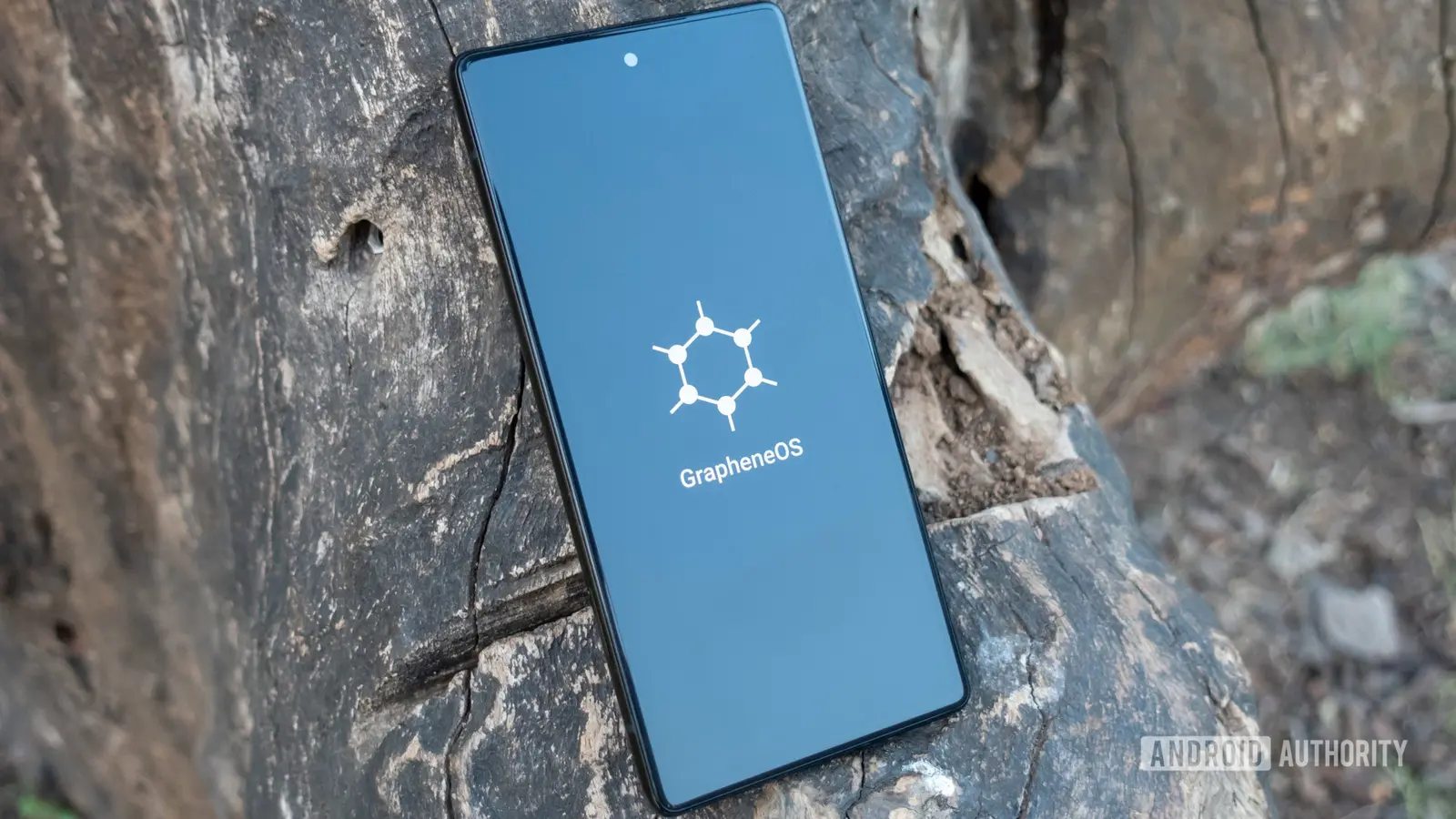
GrapheneOS developers criticized Google on September 16, 2026, accusing the tech giant of gatekeeping vital Android 17 features and security patches. The controversy erupted following the rollout of Android 17 QPR1 as part of the September Pixel Drop. Critics argue that critical programming interfaces and updates remain trapped inside Google's hardware ecosystem.
Latest news
 Anker Unveils Playful 45W Charger With Animated Face Display
 Google Docs Web Version Still Missing Native Dark Mode
 Anthropic-Linked Vulnerability Exploited From China, Targets US and Japan
 Text‑Based AI Agents: Your New Digital Assistants
The core grievance centers on exclusive access to advanced system tools. While Pixel device owners receive the latest patches immediately, the broader Android ecosystem must wait. Independent privacy-focused operating systems rely heavily on timely security fixes to protect their user base. Delaying these updates for non-Pixel devices creates potential vulnerabilities across competing platforms.
Why Does Delayed Access Matter for Security?
Google traditionally bundles early software iterations with its proprietary hardware releases. However, the scale of the current Android 17 release has amplified long-standing industry tensions. Independent developers view this strategy as an unfair advantage designed to steer consumers toward Google-branded smartphones.
Operating systems like GrapheneOS champion transparent, open-source mobile security for everyone. When foundational updates are restricted, alternative platforms struggle to maintain parity. This practice directly contradicts the historically open nature of the Android project, leaving community-driven developers at a distinct disadvantage.
Security vulnerabilities require swift remediation across all hardware running a specific operating system version. When updates bypass the open-source pipeline, millions of devices remain exposed to potential exploits.
Frequently Asked Questions
The ongoing dispute highlights a growing friction between open-source ideals and commercial hardware strategies. As mobile security becomes increasingly complex, community developers demand equal access to foundational code. Industry watchers expect further debates regarding software exclusivity as Android 17 continues its public rollout.
Q: Which platform raised these security concerns? A: GrapheneOS publicly accused Google of gatekeeping essential updates and APIs from the broader Android ecosystem.
Comments
Leave a comment