
Harbor Testing System Sets New Standards for AI Evaluation
Google has revamped its Android Bench leaderboard, the benchmark developers rely on to compare AI coding assistants for Android apps. The update, announced this week, introduces a fresh testing platform named Harbor and adds eight new AI models to the roster. The changes reset the leaderboard, reshuffling the rankings that developers use to select their tools.
Latest news
 Anthropic Unveils Claude Duet For Background AI Tasks
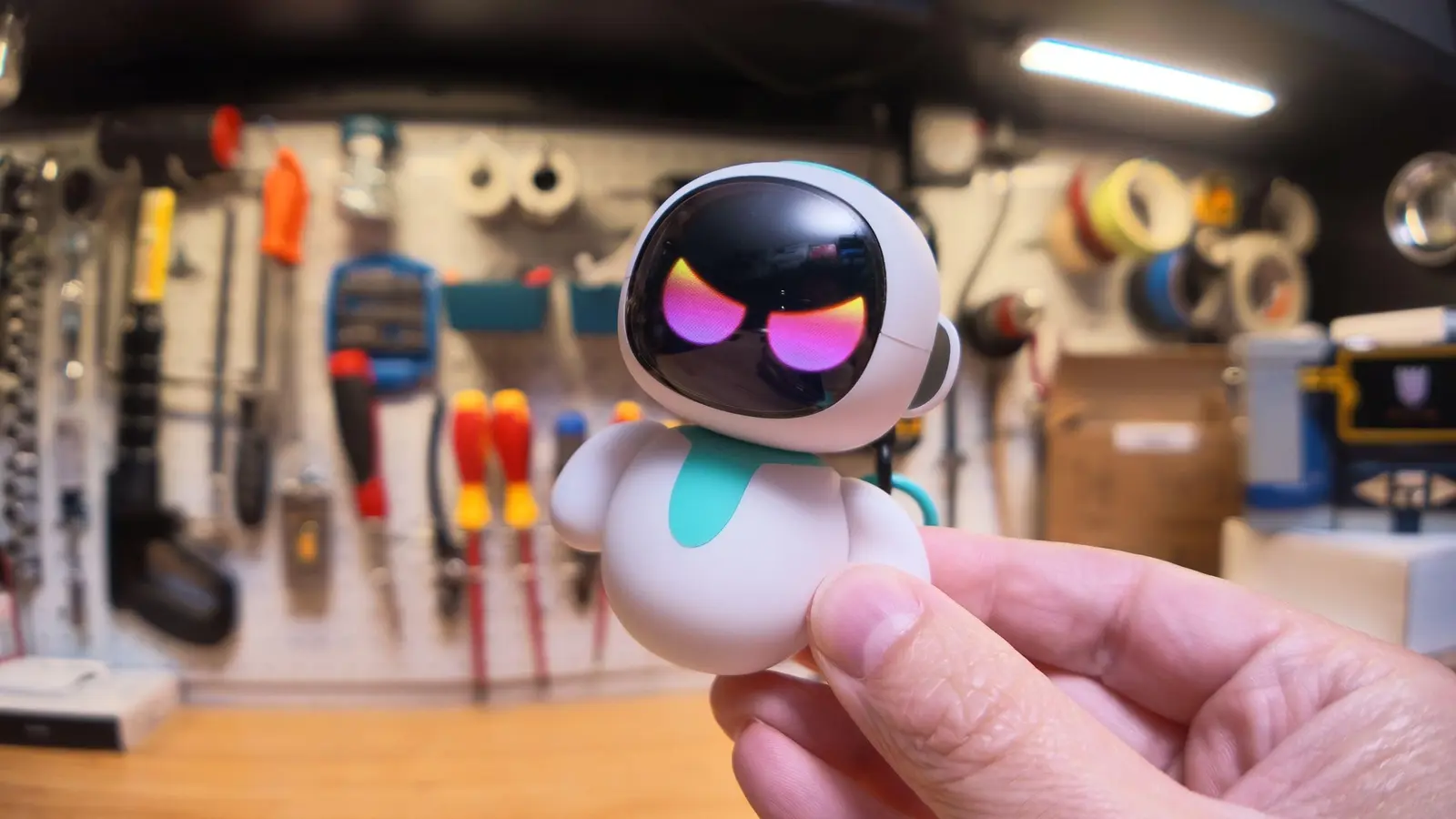 Eiliko Creator Hires Independent Security Firm After Flawy Robot Charm Exposed
 Musk Compares Optimus Robot Training to Raising a Toddler
 Atari VCS Software Store Closes in February 2027
The Android Bench leaderboard debuted in March, offering a standardized way to gauge how well AI models generate Android code. Its original testing suite was a generic tool that many critics said lacked depth for mobile development. Google’s new Harbor system promises more realistic app scenarios, tighter performance metrics, and better alignment with real‑world developer workflows. By swapping out the old framework, Google aims to deliver clearer signals about model strengths and weaknesses.
Harbor evaluates AI models by running them through a series of authentic Android tasks, from UI layout generation to API integration. Each model receives scores based on correctness, compile success, and runtime behavior. Google says the new framework reduces false positives that previously inflated some models’ rankings. The rollout also introduces eight fresh models, expanding the pool beyond the original six. Early results show several previously top‑ranked models slipping several places, while newcomers climb into the top five. Google’s spokesperson noted that the shift reflects „a more rigorous, production‑oriented assessment that mirrors what developers encounter daily.”
Will Developers Need to Rethink Their AI Tool Choices?
The leaderboard shuffle forces developers to reconsider which AI assistants they trust for code generation. Tools that once seemed superior may now lag under Harbor’s stricter criteria, prompting teams to test alternatives before committing to a workflow. Some early adopters have already begun pilot projects with the newly added models, citing faster build times and fewer syntax errors. The change also encourages AI vendors to fine‑tune their products for Android‑specific challenges rather than relying on generic language capabilities. As the updated rankings gain traction, the industry expects a wave of optimization focused on mobile development performance.
Overall, Google’s overhaul of Android Bench signals a move toward more precise, task‑focused AI benchmarking. Developers can anticipate clearer guidance on which models truly excel at Android coding, while AI providers will likely iterate quickly to meet the new standards. The evolving leaderboard promises to shape the next generation of coding assistants, aligning them more closely with the practical needs of app creators.
Frequently Asked Questions
What is Harbor and how does it differ from the previous testing tool? Harbor is a dedicated Android testing platform that runs AI‑generated code through realistic app scenarios, measuring compile success and runtime behavior, unlike the earlier generic benchmark.
Why were eight new AI models added to the leaderboard? Google expanded the model set to broaden competition and provide developers with a wider selection of tools that have been evaluated under the new Harbor criteria.
How will the ranking changes affect developers today? Teams may need to reassess their current AI assistants, run new trials, and potentially switch to models that perform better under Harbor’s more stringent evaluation.
Comments
Leave a comment