
Why Screen Creasing Remains a Key Obstacle
Foldable phones remain a niche product despite years of development, with Samsung's Galaxy Z Fold series leading the market since the original Galaxy Fold launched in 2019. After seven years, the technology has matured but still faces a persistent issue that limits wider adoption. Users continue to report concerns about screen durability and usability, particularly around the fold line where creasing and potential damage remain common complaints. While Samsung has improved hinge mechanisms and materials over generations, the fundamental challenge of creating a truly seamless, long-lasting flexible display persists. The company has focused on refining the user experience, making the devices thinner, lighter, and more resistant to dust and water, yet the core problem of screen integrity at the fold point has not been fully resolved. This ongoing issue affects consumer confidence and keeps foldable phones from reaching mainstream appeal, even as competitors enter the space with their own designs.
Latest news
 Corsair Vengeance DDR5-6000 Kit Offers Ideal Speed for AMD Builds
 Hide.me VPN releases major Android update
 Hackers launch massive PHP2Shell attack wave
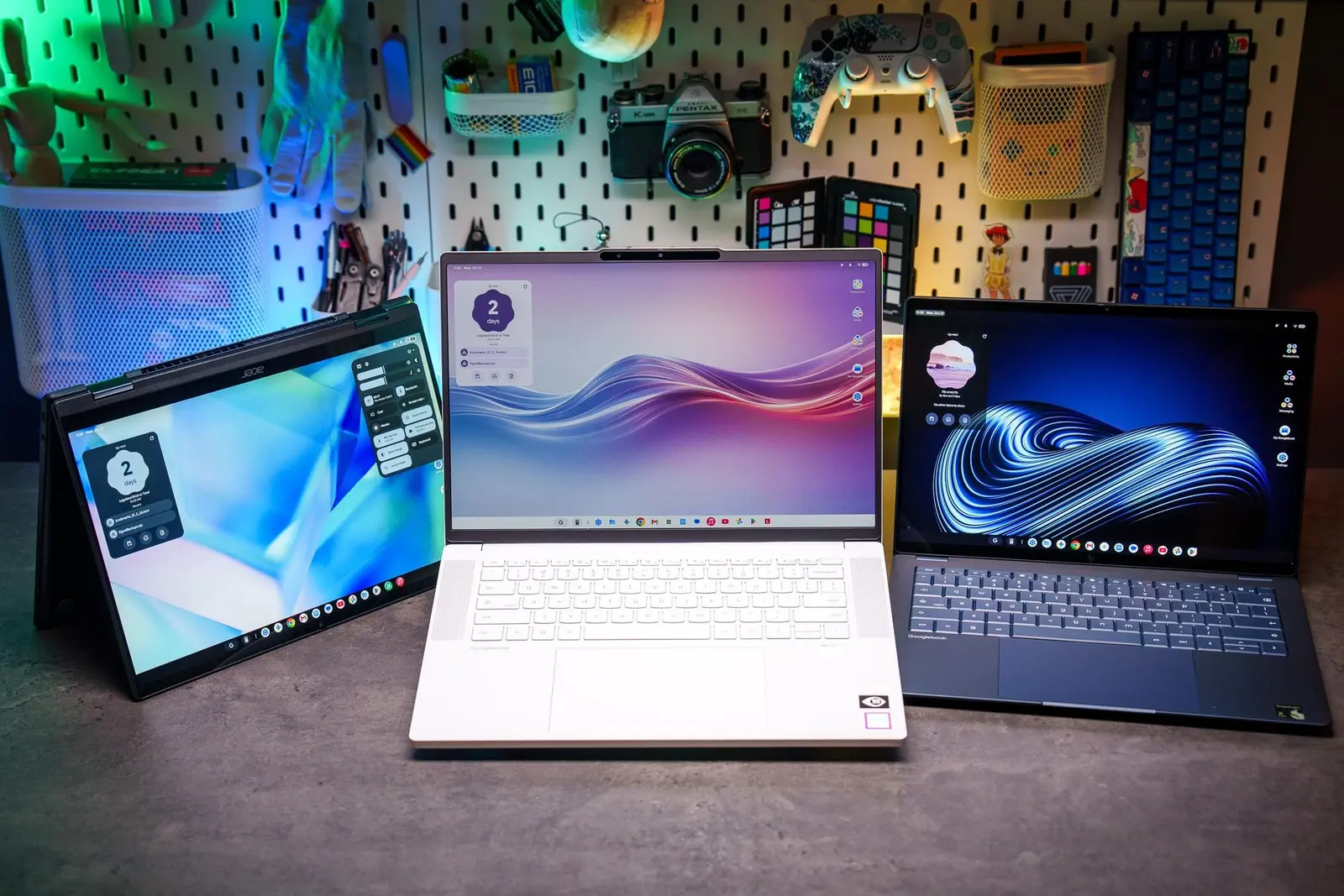 Googlebooks are not yet ready for prime time
The visible crease that forms along the fold line continues to be a major drawback for users, affecting both aesthetics and touch sensitivity. Despite advancements in ultra-thin glass and polymer layers, the physical stress of repeated folding causes micro-deformations over time. Samsung has reduced the prominence of the crease in newer models, but it has not eliminated it entirely. Users often report that the crease becomes more noticeable under certain lighting or after months of use, leading to concerns about long-term durability. This issue is compounded by the high price point of foldable devices, making consumers less tolerant of perceived flaws. While Samsung claims improved scratch resistance and hinge longevity, the crease remains a tactile and visual reminder of the technology’s limitations. Addressing this requires breakthroughs in material science that balance flexibility with perfect surface uniformity—a goal still out of reach for current manufacturing processes.
Can Future Materials Solve the Fold Problem?
Research into new flexible substrates and self-healing polymers offers potential pathways to eliminate the crease entirely. Some experimental displays use layered nanocomposites designed to return to a flat state after bending, though these are not yet ready for mass production. Samsung has invested heavily in display innovation through its subsidiary, Samsung Display, but commercializing lab-scale breakthroughs takes time. Until a material emerges that can withstand hundreds of thousands of folds without any visible or functional degradation, the crease will likely remain a characteristic of foldable phones. Consumers willing to pay a premium for innovation may accept this trade-off, but broader market success depends on making the technology feel as reliable as traditional smartphones. The next generation of foldables may reduce the crease further, but a truly invisible fold remains the holy grail engineers are still chasing.
Why hasn’t Samsung fixed the crease on its foldable phones yet? The crease results from the physical properties of current flexible display materials, which cannot bend perfectly without some deformation. Solving this requires new materials that are both extremely durable and capable of returning to a flawless flat state after repeated folding—technology not yet available for consumer devices.
Frequently Asked Questions
Are foldable phones durable enough for daily use? Modern foldables like the Galaxy Z Fold series are significantly more durable than early models, with improved water and dust resistance and stronger hinges. However, the fold line remains a point of vulnerability, and users are advised to avoid excessive pressure on the hinge area to maximize lifespan.
Will future foldable phones have no visible crease? It is possible, but not imminent. Breakthroughs in flexible materials or alternative designs—such as rollable or sliding screens—may eventually eliminate the crease. For now, minimizing its appearance and impact is the primary focus of manufacturers.
Comments
Leave a comment