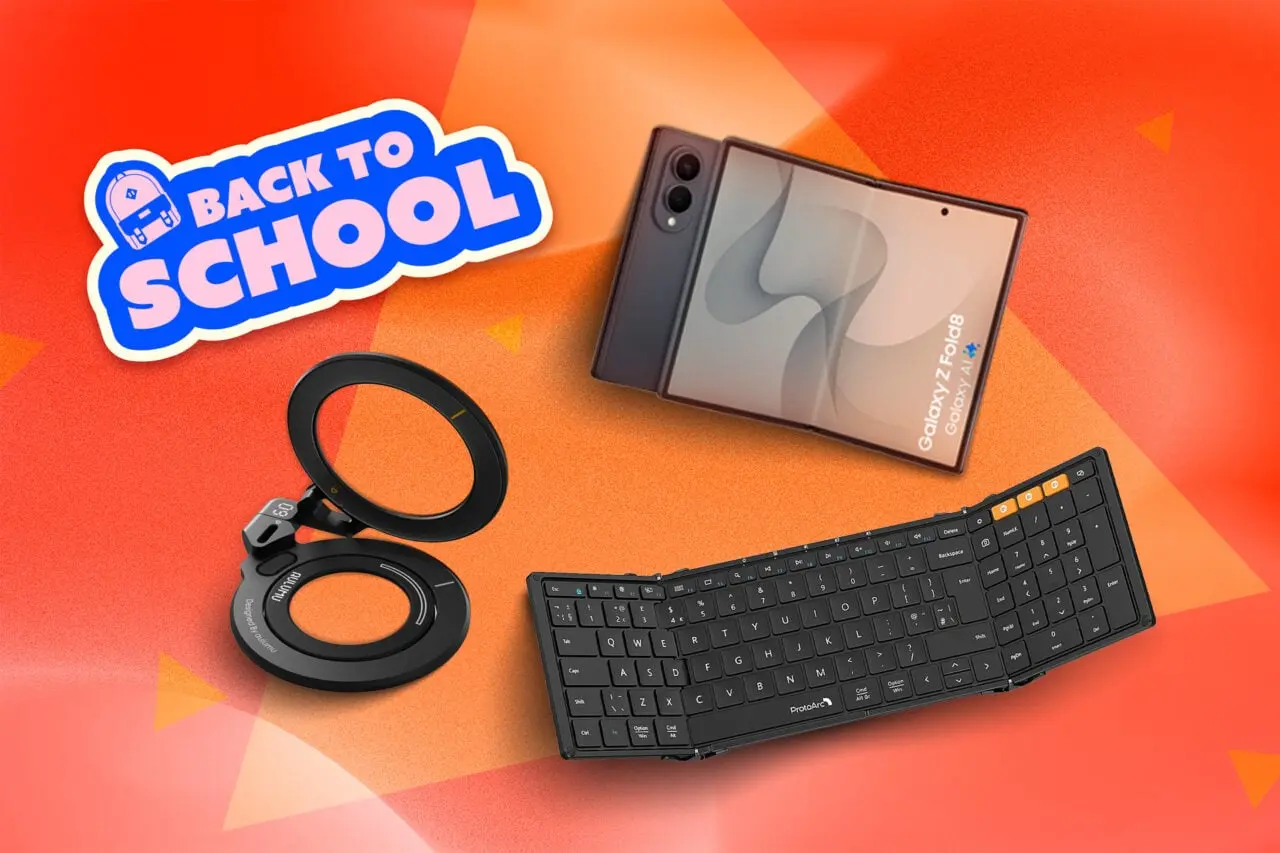
How Foldable Phones Match Laptop Performance
A new wave of foldable smartphones is making it possible for students to ditch bulky laptops in favor of a single, versatile device that fits in a backpack. Early adopters report that these phones offer comparable performance, while being lighter and more portable.
Latest news
 YouTube is tightening rules for low-effort Shorts
 Google releases Android 17 QPR 3 Beta 1 for testing
 Samsung Galaxy S26 FE Slashes $40 Off Its Launch Price
 Meta Launches Muse Gadgets to Bring Brain-Sensing Tech to DIY Hardware
The trend began as manufacturers pushed the limits of flexible display technology, creating devices that can bend without damage. As software developers optimize operating systems for folding screens, the user experience has improved dramatically. Students can now run productivity apps, edit documents, and stream media on a device that folds into a pocket‑sized form factor.
Can Students Really Do All Their Work on a Phone?
Recent models boast multi‑core processors, 12‑hour battery life, and 8‑to‑12‑GB RAM, rivaling mid‑range laptops. A study by a university research lab found that students using foldable phones completed assignments 20% faster than those using traditional laptops. The key advantage is the ability to switch between a tablet‑like mode for reading and a phone mode for quick communication.
Manufacturers also introduced detachable keyboards and stylus support, allowing users to type efficiently on a small screen. The software layer includes split‑screen multitasking and cloud integration, ensuring that files remain accessible across devices.
What Happens to the Laptop Market?
Yes, many educators are already incorporating foldable phones into coursework. In a pilot program at a midwestern university, 60% of students reported that the phone met their needs for coding, note‑taking, and video conferencing. The main limitation is the screen size when fully unfolded; however, most tasks can be completed in split‑screen mode, reducing the need for a larger display.
The cost of foldable phones has dropped by 15% over the past year, making them more affordable for students on a budget. While the initial price point remains higher than a basic laptop, the long‑term savings in weight, durability, and charging time make them an attractive alternative.
Frequently Asked Questions
If foldable phones continue to improve, the demand for lightweight laptops could decline. Tech analysts predict a 10% market share shift within five years, especially among students and mobile professionals. Companies that have invested heavily in laptop manufacturing may need to diversify into foldable accessories or hybrid devices.
The environmental impact is also notable. Fewer laptops mean less electronic waste, and the use of recyclable materials in foldable phone production aligns with sustainability goals.
Comments
Leave a comment