
Alternative Marketplaces Take Shape
Apple has announced changes to its App Store policies in Brazil, allowing developers to distribute i Phone apps through alternative marketplaces and accept third-party payments. This move takes effect on iOS in Brazil. The changes were announced on Thursday.
Latest news
 Anthropic Unveils Claude Duet For Background AI Tasks
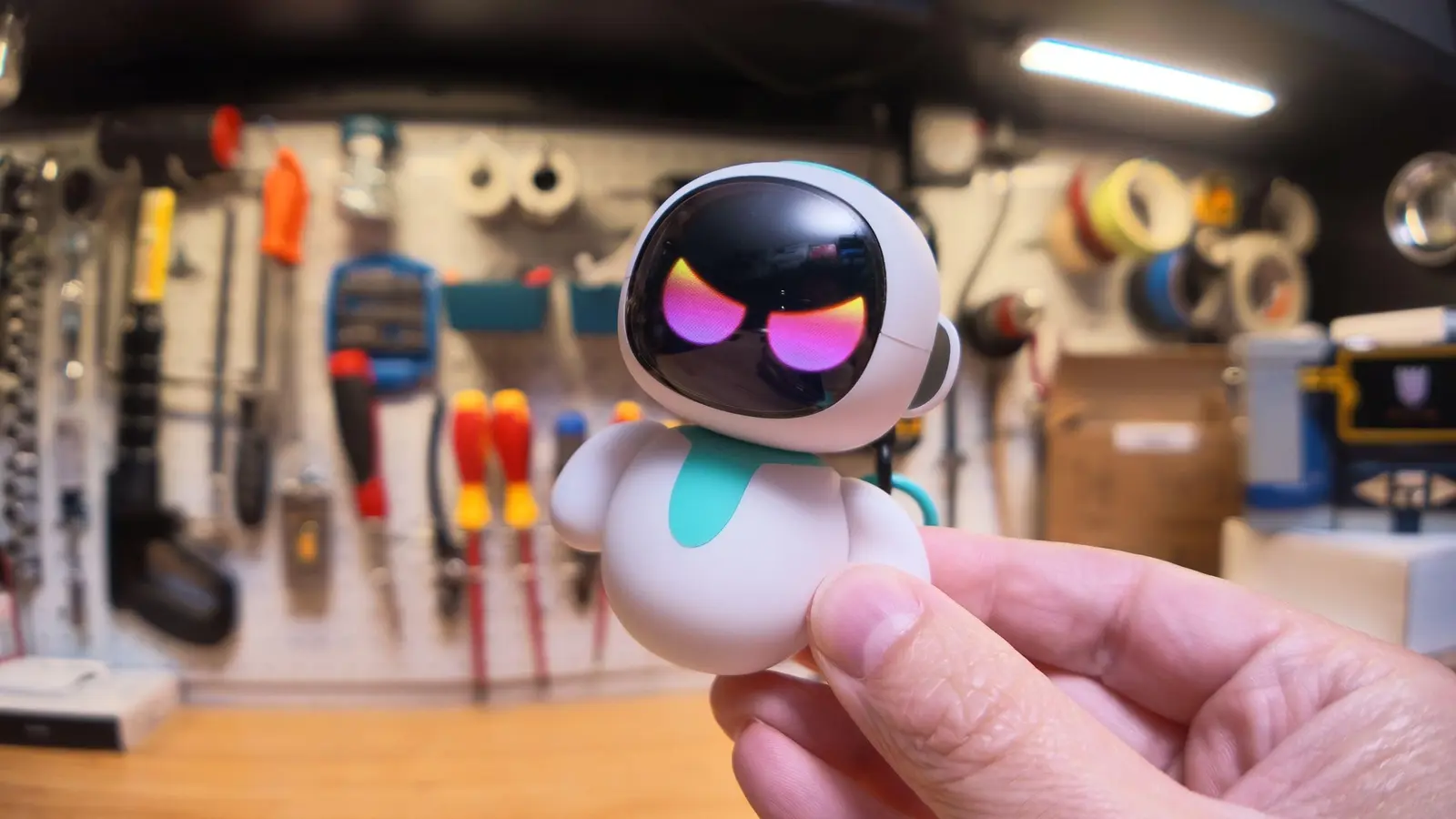 Eiliko Creator Hires Independent Security Firm After Flawy Robot Charm Exposed
 Musk Compares Optimus Robot Training to Raising a Toddler
 Atari VCS Software Store Closes in February 2027
The decision enables developers in Brazil to circumvent Apple's traditional App Store and payment systems. This shift is significant as it alters the existing dynamics between Apple and app developers in the region.
Will Other Countries Follow Brazil's Lead?
Developers in Brazil will now have the flexibility to choose how they distribute their apps and manage payments. This could lead to increased competition and potentially lower fees for developers. As a result, consumers may benefit from a broader range of apps and more competitive pricing.
The move by Apple is likely to have implications beyond Brazil. It may set a precedent for other countries to reevaluate their app store policies. The decision could be seen as a response to growing regulatory pressures on tech giants.
Frequently Asked Questions
The changes in Brazil may signal a broader shift in the global app ecosystem, with potential consequences for both developers and consumers. As the situation unfolds, it will be worth monitoring how Apple adapts its policies in other regions.
What does this mean for Apple? Apple will likely face increased competition and potentially lower revenue from app sales in Brazil. Will this change affect other countries? The move may set a precedent, but it's unclear if other countries will follow Brazil's lead. How will this impact consumers? Consumers in Brazil may benefit from a wider range of apps and more competitive pricing.
Comments
Leave a comment