
The Rise of Alternative Smartphone Brands
In a landscape dominated by Apple and Google, consumers seeking alternatives for smartphones are finding more options. As of May 2026, both tech giants are tightening their grip on device functionality, prompting users to consider other brands and operating systems.
Latest news
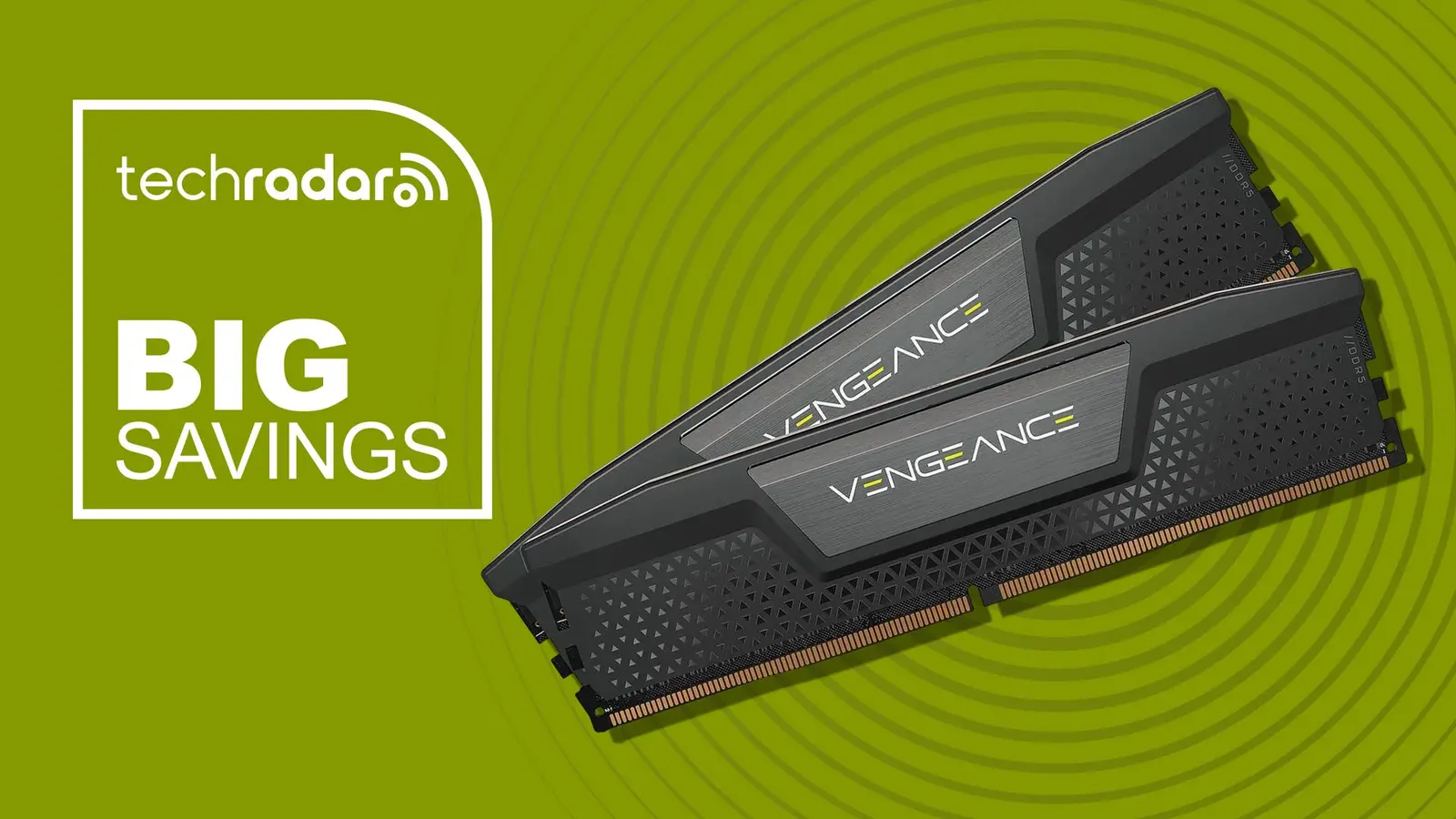 Corsair Vengeance DDR5-6000 Kit Offers Ideal Speed for AMD Builds
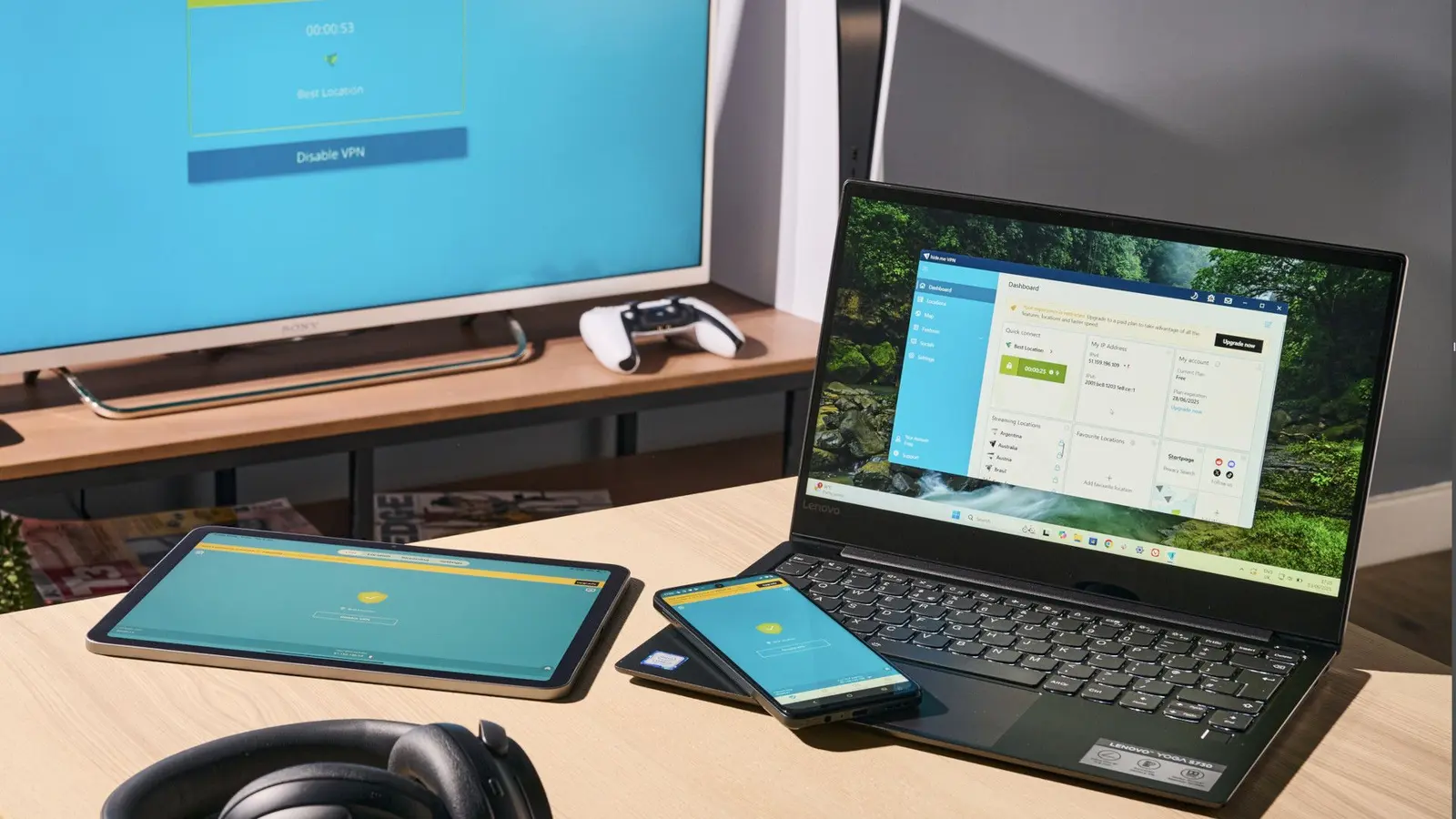 Hide.me VPN releases major Android update
 Hackers launch massive PHP2Shell attack wave
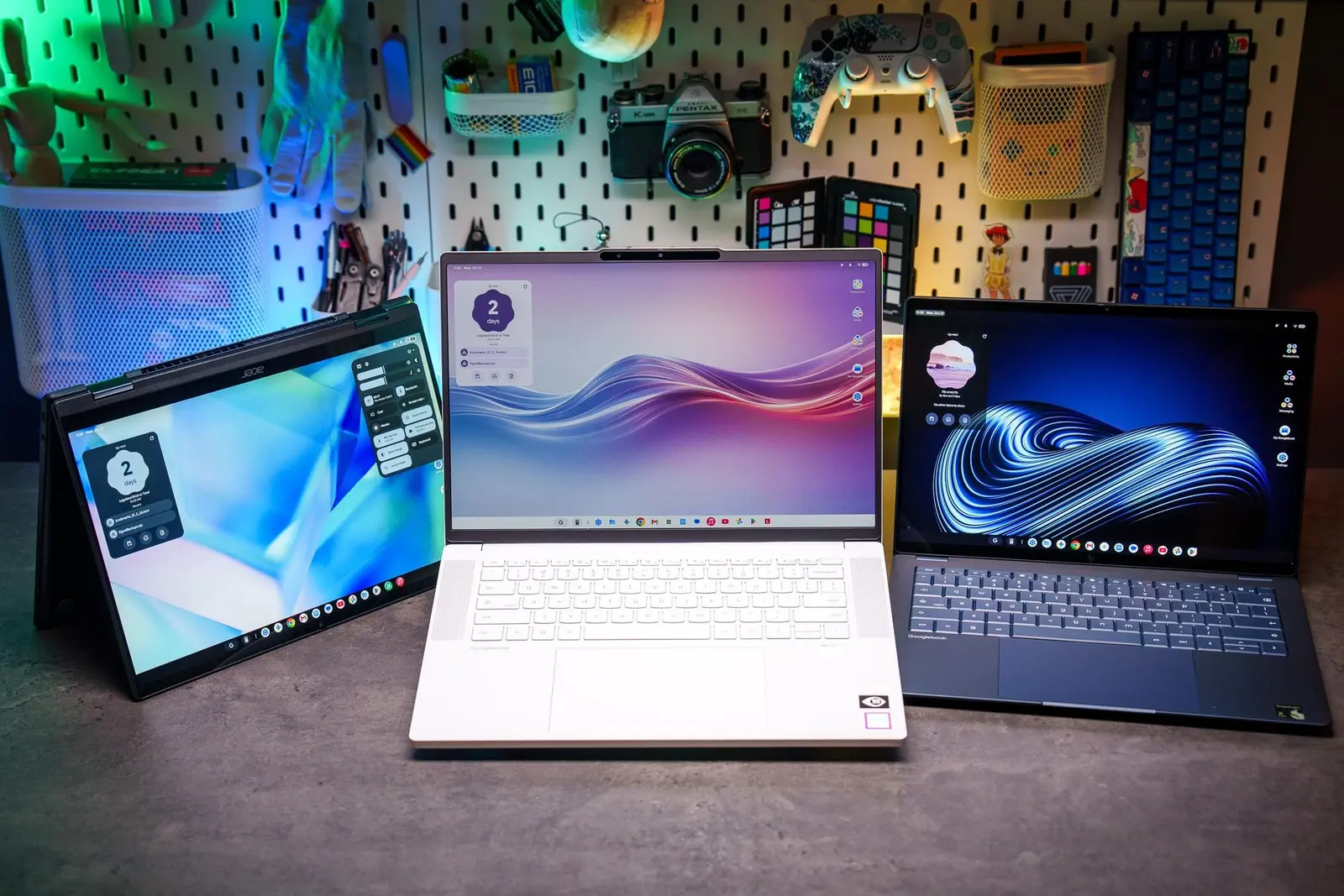 Googlebooks are not yet ready for prime time
Apple and Google have made significant strides in controlling the user experience on their devices. This includes strict app store regulations, software updates, and hardware compatibility. These restrictions can limit customization and user freedom, leading many to explore non-traditional options. Brands like Samsung, OnePlus, and various niche manufacturers are stepping up to fill this gap, offering devices that prioritize user flexibility and choice.
Several manufacturers are gaining traction as consumers look for smartphones that offer more freedom. Companies such as Fairphone and Pine64 focus on sustainability and open-source software, attracting users disillusioned with the mainstream market. Fairphone, for example, emphasizes ethical sourcing and repairability, appealing to environmentally conscious buyers. Meanwhile, Pine64 promotes Linux-based operating systems, catering to tech-savvy users who want control over their devices.
Are Non-Mainstream Smartphones Worth It?
Additionally, brands like Xiaomi and Oppo are also gaining popularity. They offer high-quality hardware at competitive prices, often with features that rival those of Apple and Google. These alternatives provide users with diverse choices, allowing them to find a smartphone that fits their needs without being tied to the major players in the industry.
While exploring alternatives, potential buyers may wonder if these non-mainstream options are truly worth the investment. Many of these brands offer unique features, such as modular designs or extensive customization options. However, users should consider trade-offs, such as potential limitations in app availability and customer support.
Moreover, the shift towards alternative smartphones could challenge the dominance of Apple and Google. As more users prioritize choice and flexibility, the market may see a rise in demand for diverse operating systems and innovative features. This could encourage larger companies to rethink their strategies and potentially lead to a more balanced smartphone ecosystem.
Frequently Asked Questions
The future of the smartphone market appears to be shifting. With growing interest in alternatives, consumers may drive change, pushing major brands to reconsider their restrictive practices. As users increasingly value freedom and customization, the landscape could evolve into one that better serves diverse needs and preferences.
What are some popular alternatives to Apple and Google smartphones? Popular alternatives include brands like Samsung, OnePlus, Fairphone, and Pine64. Each offers unique features and focuses on user freedom and sustainability.
Are non-mainstream smartphones reliable? Many alternative brands produce reliable devices, but users should research specific models. Factors such as customer support and app availability can vary significantly among manufacturers.
Comments
Leave a comment