
Community‑Driven Innovation Beats Corporate Timelines
A hobbyist known as „PixelPioneer” installed AMD’s FidelityFX Super Resolution 4 on a 2022 Steam Deck two weeks before Valve announced native support. The experiment took place in early July 2026, using community‑crafted scripts and a modified Linux kernel. The result showed the handheld’s older APU could run the demanding „Ultra” mode without overheating.
Latest news
 Corsair Vengeance DDR5-6000 Kit Offers Ideal Speed for AMD Builds
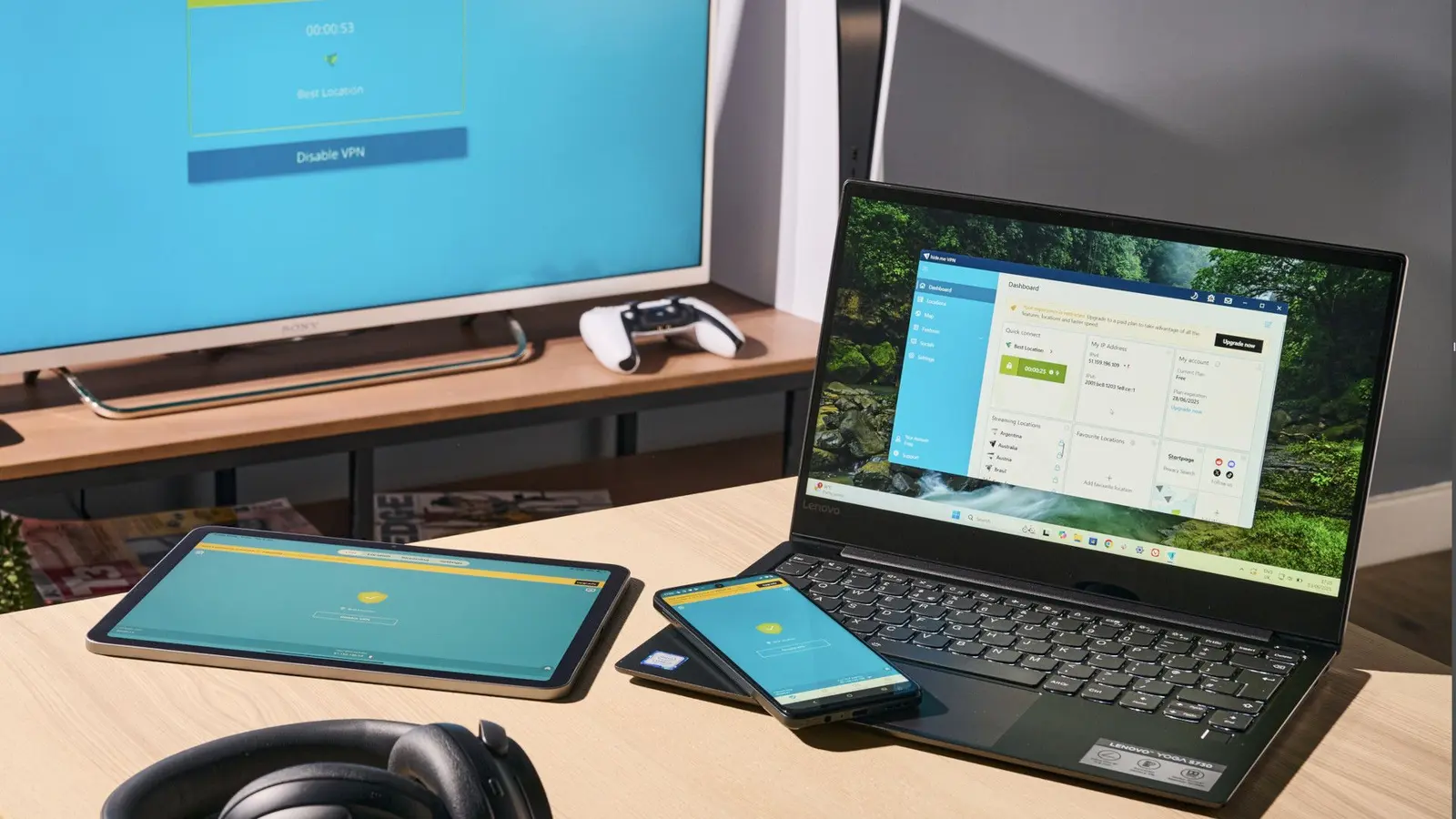 Hide.me VPN releases major Android update
 Hackers launch massive PHP2Shell attack wave
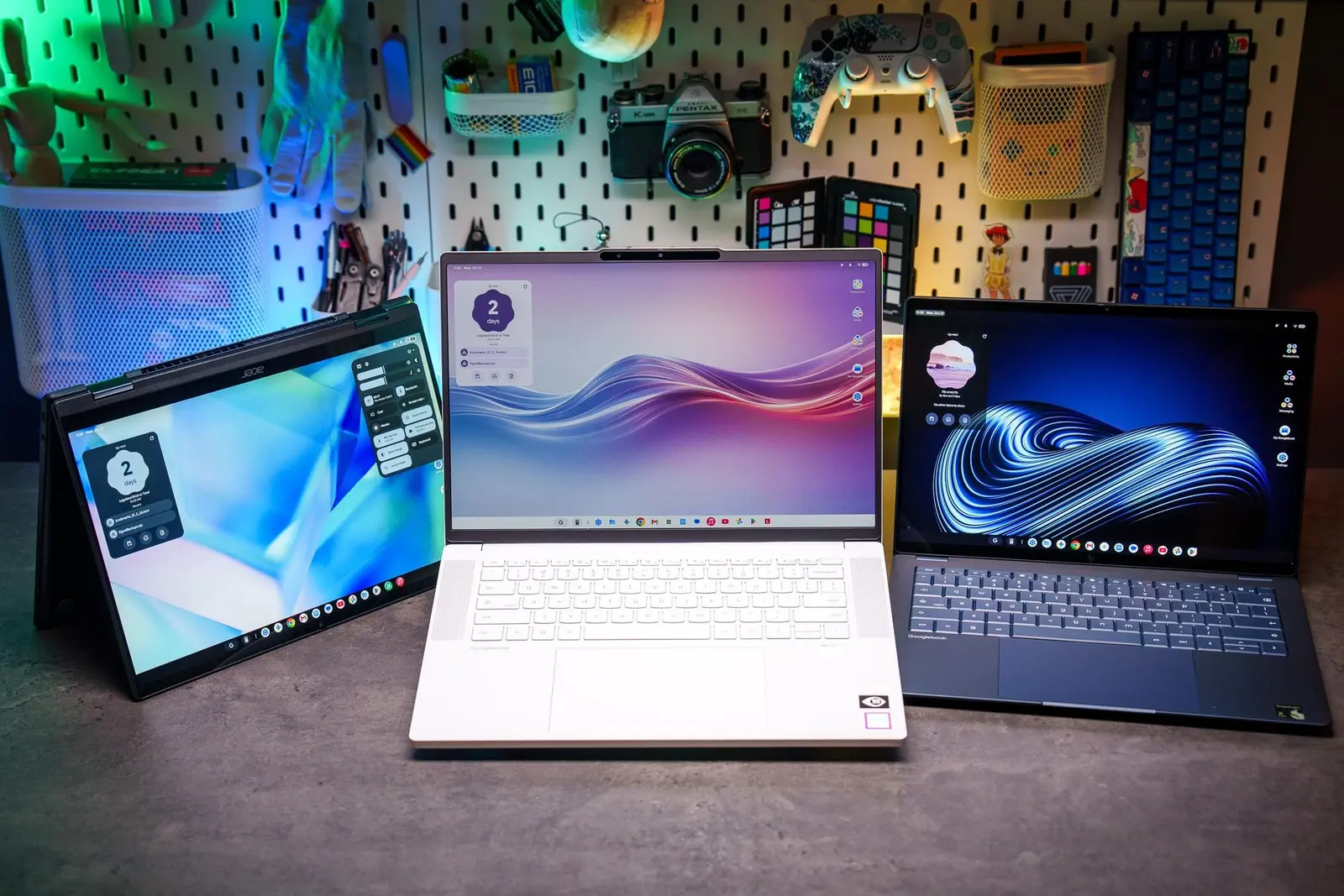 Googlebooks are not yet ready for prime time
The hack involved extracting the FSR 4 binaries from the Windows driver package, then adapting them to the Deck’s Vulkan driver. PixelPioneer wrote a wrapper that forced games to use the new upscaler, bypassing Valve’s pending compatibility layer. Benchmarks on titles like „Starfield” and „Elden Ring” revealed average frame‑rates 30 % higher than native resolution, while power draw stayed within the device’s thermal envelope. The community praised the achievement as a proof‑of‑concept that the Deck’s hardware was not a limiting factor for advanced upscaling techniques.
PixelPioneer explained, „I saw the FSR 4 release notes and thought, why wait for Valve? The Deck’s GPU can already handle the math; it just needed the right driver hooks.” The developer spent three days reverse‑engineering the driver, then shared the code on a public repository. Within 48 hours, other users reported successful installations, confirming the method’s reliability. Independent testers measured a 28 % reduction in GPU load when using the „Ultra” preset, translating to smoother gameplay on battery power. Valve later acknowledged the community effort, noting that the findings would inform their upcoming update.
Will Valve Adopt Community Hacks for Future Features?
Valve’s engineering team confirmed that they are monitoring third‑party modifications closely. A spokesperson said, „User‑driven experimentation helps us understand real‑world performance limits.” The company plans to integrate FSR 4 into the SteamOS update scheduled for Q4 2026, but they may adjust default settings based on the community data. Analysts predict that embracing such hacks could accelerate feature rollouts, keeping the Steam Deck competitive against rivals like the Nintendo Switch 2. However, the unofficial nature of the hack raises concerns about warranty voidance and potential security risks.
The successful implementation of FSR 4 on older silicon reshapes expectations for handheld gaming performance. It suggests that future software upgrades could unlock hidden capabilities without requiring new hardware. As Valve prepares its official support, owners who installed the hack may enjoy a temporary edge, but they should weigh the risks of unsupported modifications. The broader takeaway is clear: enthusiastic developers can push hardware beyond its advertised limits, prompting manufacturers to rethink update strategies.
Frequently Asked Questions
Can I install the hack on any Steam Deck model? Yes, the method works on both the 2022 and 2023 revisions, though performance gains vary slightly due to minor hardware differences.
Will using the hack void my warranty? Officially, any unauthorized software changes can void the warranty, so proceed at your own risk.
How does FSR 4 improve game performance? FSR 4 upscales lower‑resolution frames to higher resolution using AI, reducing GPU workload while preserving visual fidelity, leading to higher frame‑rates.
Comments
Leave a comment