The Trackpad’s Tipping Point
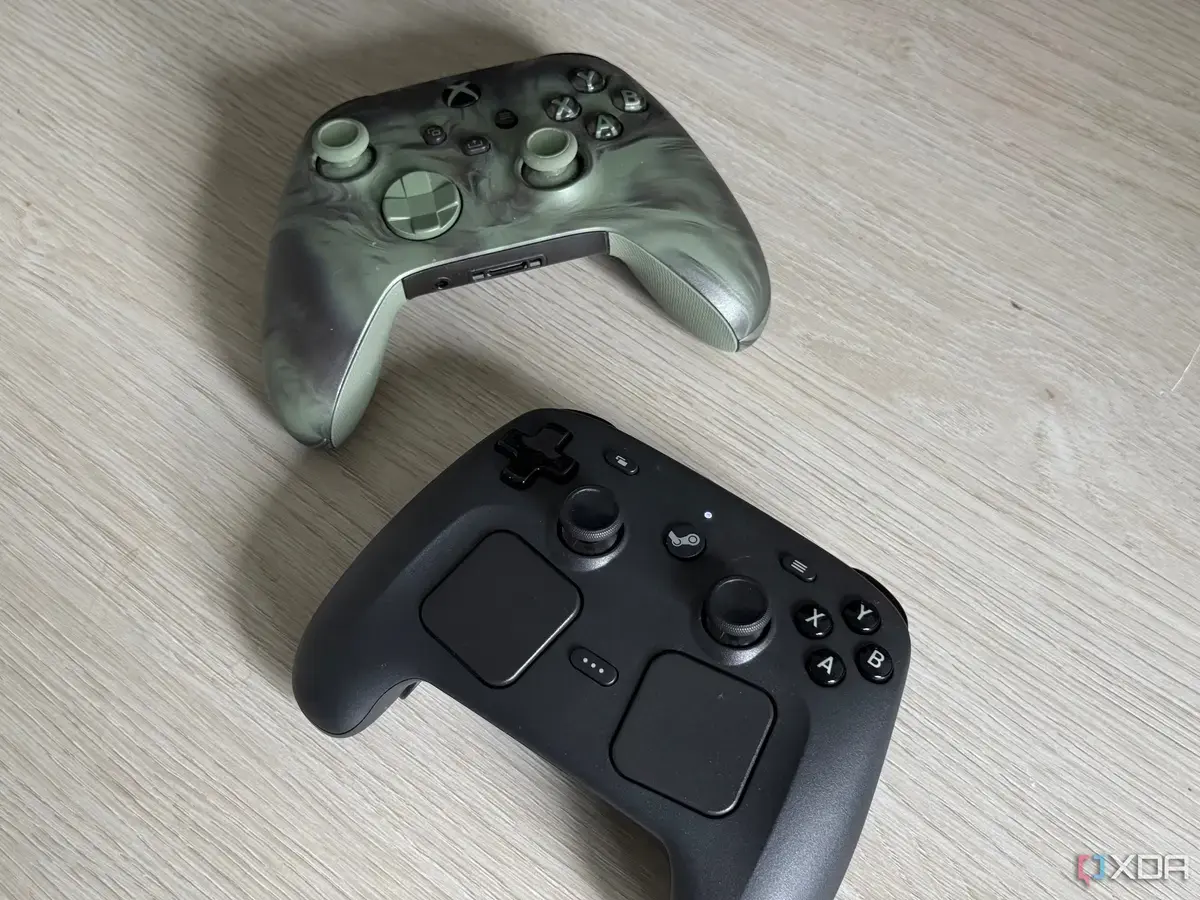
The Steam Controller, launched by Valve in 2015, has long been praised for its innovative design. In August 2026, tech writer Ty Sherback reported a critical flaw that undermines its core appeal. The issue, discovered during extended gameplay, prompted him to abandon the controller for a conventional gamepad.
Latest news
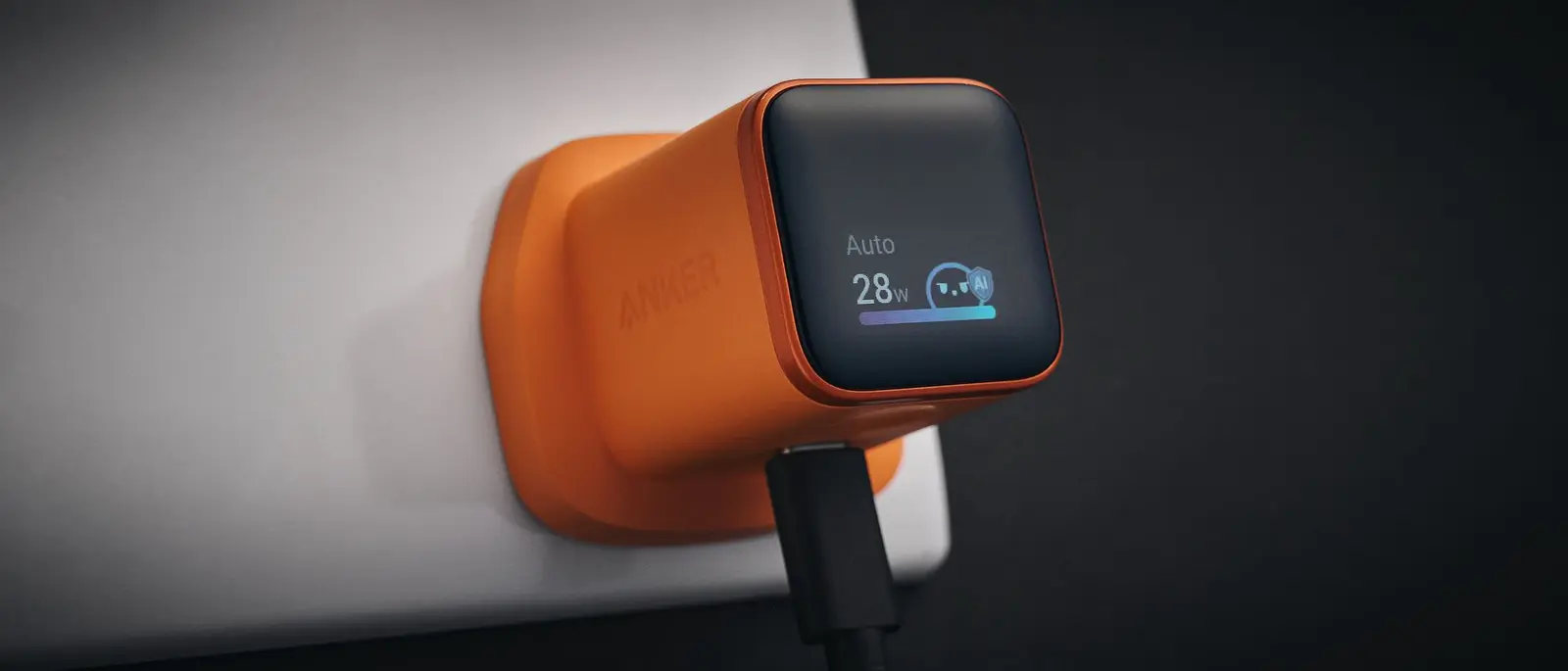 Anker Unveils Playful 45W Charger With Animated Face Display
 Google Docs Web Version Still Missing Native Dark Mode
 Anthropic-Linked Vulnerability Exploited From China, Targets US and Japan
 Text‑Based AI Agents: Your New Digital Assistants
Sherback’s testing revealed that the controller’s central trackpad suffers from rapid wear, leading to inconsistent input after just a few hours of use. The problem stems from the low‑friction coating that degrades under pressure, causing drift and missed clicks. Valve’s original promise of precise analog‑like control is compromised, forcing players to revert to traditional sticks for reliable performance.
The trackpad was marketed as the controller’s „kryptonite,” offering a new way to aim and navigate menus. In practice, the surface loses its grip quickly, especially during fast‑paced shooters. Sherback noted, „After two gaming sessions, the pad felt slick, and my crosshair wobbled.” The degradation is not merely cosmetic; it alters the controller’s response curve, making fine adjustments impossible. Users report similar experiences across forums, indicating a systemic issue rather than isolated defects.
Can Valve Fix the Controller’s Weakness?
Valve’s engineering notes suggest the coating was chosen to balance durability with tactile feedback. However, real‑world testing shows the balance leans too far toward smoothness. The company has not issued a firmware update to mitigate the problem, leaving hardware wear as the primary culprit. As a result, many gamers are buying backup controllers or returning to Xbox‑style gamepads, which offer consistent analog sticks without the trackpad’s volatility.
The question now hangs over Valve’s future hardware plans. Some analysts argue that a redesign of the trackpad material could restore confidence, while others believe the controller’s niche appeal has already faded. Valve has hinted at a next‑generation controller in upcoming Steam events, but no concrete timeline exists. If the company addresses the wear issue, it could revive interest among PC enthusiasts who value Steam’s ecosystem integration. Conversely, ignoring the flaw may push the remaining user base toward competing peripherals.
The fallout from the trackpad’s failure highlights the risks of innovative hardware without rigorous durability testing. Players who invested in the Steam Controller now face additional costs, either replacing the device or supplementing it with a secondary gamepad. Valve’s reputation for software excellence may suffer if hardware shortcomings persist. Industry watchers will monitor upcoming announcements for signs of remediation, while gamers weigh the trade‑offs between novelty and reliability.
Frequently Asked Questions
Why does the Steam Controller’s trackpad wear out so quickly? The low‑friction coating designed for smooth movement erodes under repeated pressure, leading to surface slickness and input drift after limited use.
Is there a software fix for the trackpad issue? No firmware update currently resolves the hardware wear; the problem requires a material redesign rather than a software patch.
Should current owners replace the controller now? If the trackpad’s performance hampers gameplay, buying a backup gamepad is advisable. Those who can tolerate occasional drift may continue using the controller until Valve offers a solution.
Comments
Leave a comment