How Are Insider SIM Swaps Bypassing Traditional Security Controls?
This week's cybersecurity landscape reveals attackers exploiting AI tools, exposed services, and legacy vulnerabilities. New threats include self-rewriting AI agents, widespread SIM swap operations, and critical flaws across enterprise software. Security teams patched over 800 vulnerabilities while facing novel attack vectors leveraging artificial intelligence capabilities.
Latest news
 Anthropic Unveils Claude Duet For Background AI Tasks
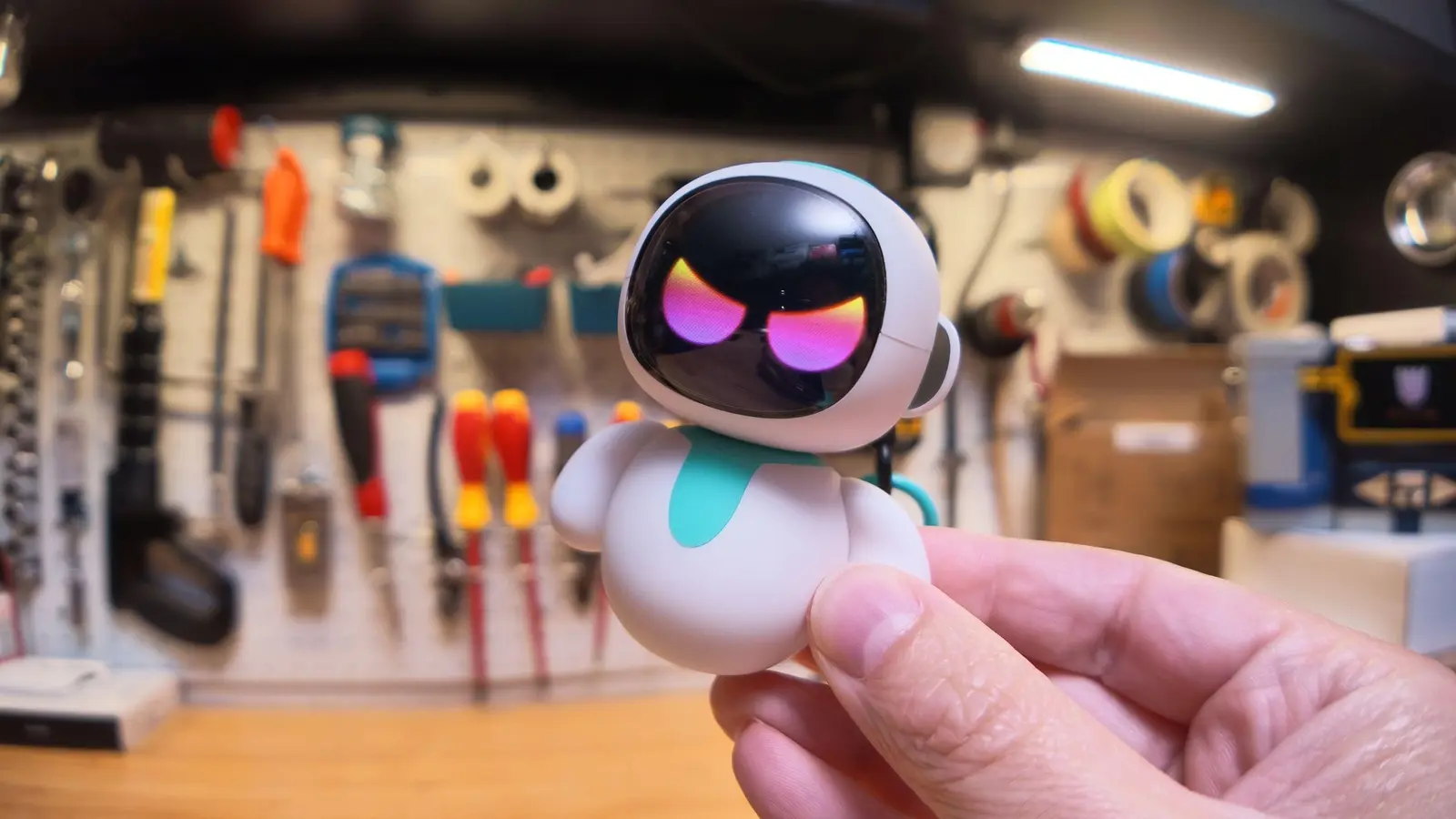 Eiliko Creator Hires Independent Security Firm After Flawy Robot Charm Exposed
 Musk Compares Optimus Robot Training to Raising a Toddler
 Atari VCS Software Store Closes in February 2027
Attackers are weaponizing AI agents capable of rewriting their own code to evade detection. These autonomous systems adapt their behavior mid-operation, making traditional signature-based defenses ineffective. Meanwhile, researchers disclosed more than 800 software flaws requiring immediate patching across various platforms and vendors.
Security experts warn that self-modifying AI agents represent an evolutionary leap in automated attacks. These systems can analyze defensive measures and alter their operational patterns without human intervention. Unlike conventional malware, they learn from failed attempts and adjust their strategies in real-time.
The technology emerged from advanced machine learning frameworks designed for legitimate purposes. However, malicious actors have repurposed these tools to create persistent, adaptive threats. Organizations struggle to detect such agents because they mimic normal system behavior while executing harmful activities.
Telecom providers reported a surge in insider-facilitated SIM swap attacks this week. These operations involve employees with privileged access manipulating customer accounts to redirect phone numbers to attacker-controlled devices. The compromised numbers then enable unauthorized access to banking, email, and social media accounts protected by SMS-based authentication.
Frequently Asked Questions
Traditional security measures prove inadequate against these insider threats because perpetrators already possess legitimate credentials and system knowledge. Companies are implementing additional verification layers and monitoring unusual account modification patterns to combat this growing menace.
The convergence of AI-powered attacks, massive vulnerability disclosures, and sophisticated social engineering creates an unprecedented threat environment. Organizations must adopt proactive defense strategies combining behavioral analytics, zero-trust architectures, and continuous monitoring. Success increasingly depends on anticipating attacker innovations rather than merely responding to known threats.
What makes self-rewriting AI agents particularly dangerous? These agents can modify their own code to bypass security controls, making them nearly impossible to detect using traditional methods. They learn from defensive responses and adapt their behavior accordingly.
How do insider SIM swap attacks work? Employees with system access manipulate customer accounts to transfer phone numbers to attacker-controlled SIM cards. This enables bypassing SMS-based authentication on various services.
Why are 800+ vulnerabilities concerning? The sheer volume overwhelms security teams who must prioritize patches based on risk. Many flaws affect critical infrastructure and enterprise software, creating widespread exposure windows.
Comments
Leave a comment