
Breaking Through Memory Defenses
Security researchers have uncovered a dangerous new exploit targeting the PHP2 Shell vulnerability. This flaw allows attackers to bypass Address Space Layout Randomization on x86-64 servers. By circumventing these standard defenses, hackers can achieve remote code execution. This discovery highlights a significant weakness in modern web infrastructure that threat actors are actively targeting.
Latest news
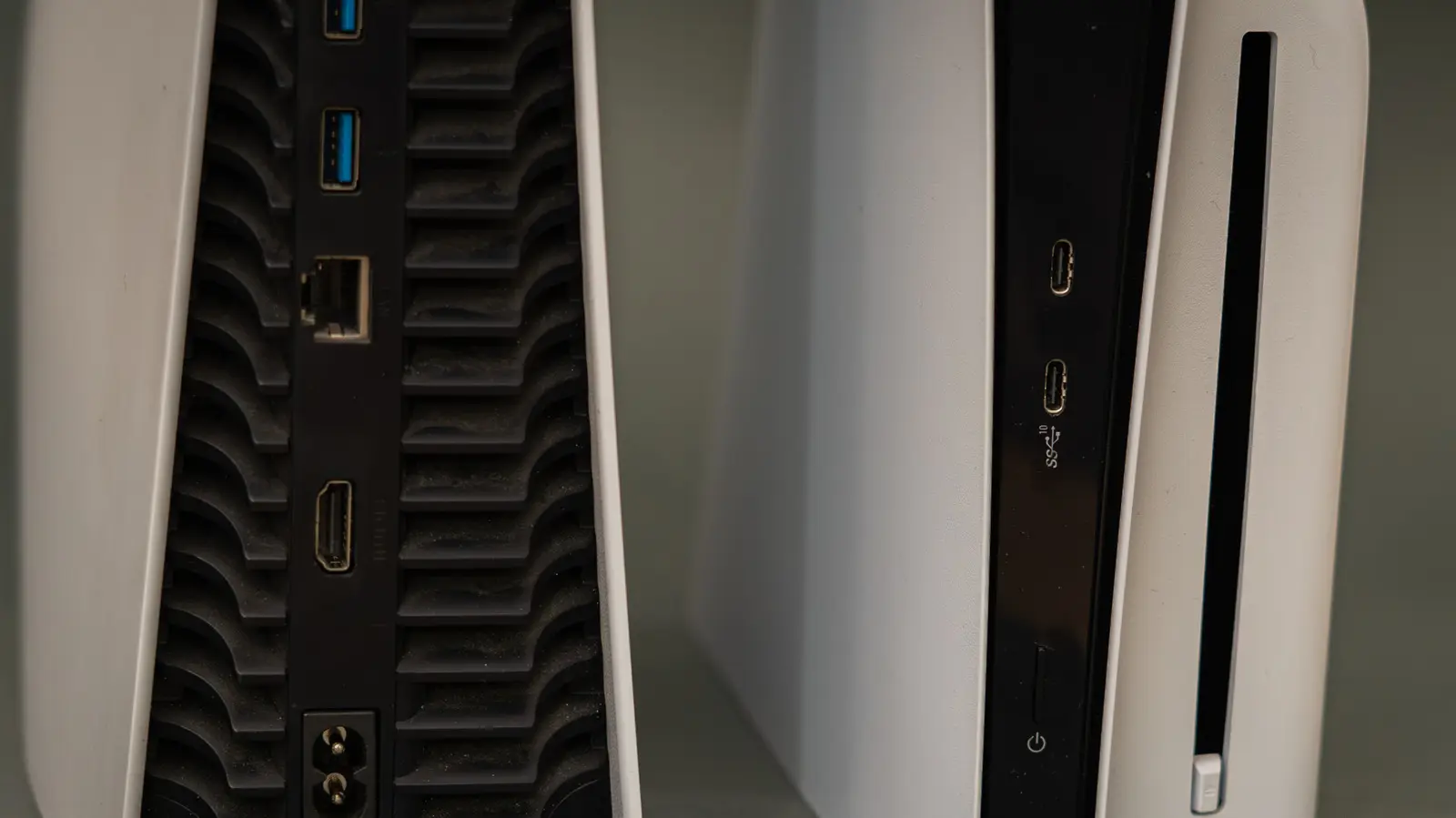 Is Your PlayStation 5 Plugged Into the Wrong HDMI Port?
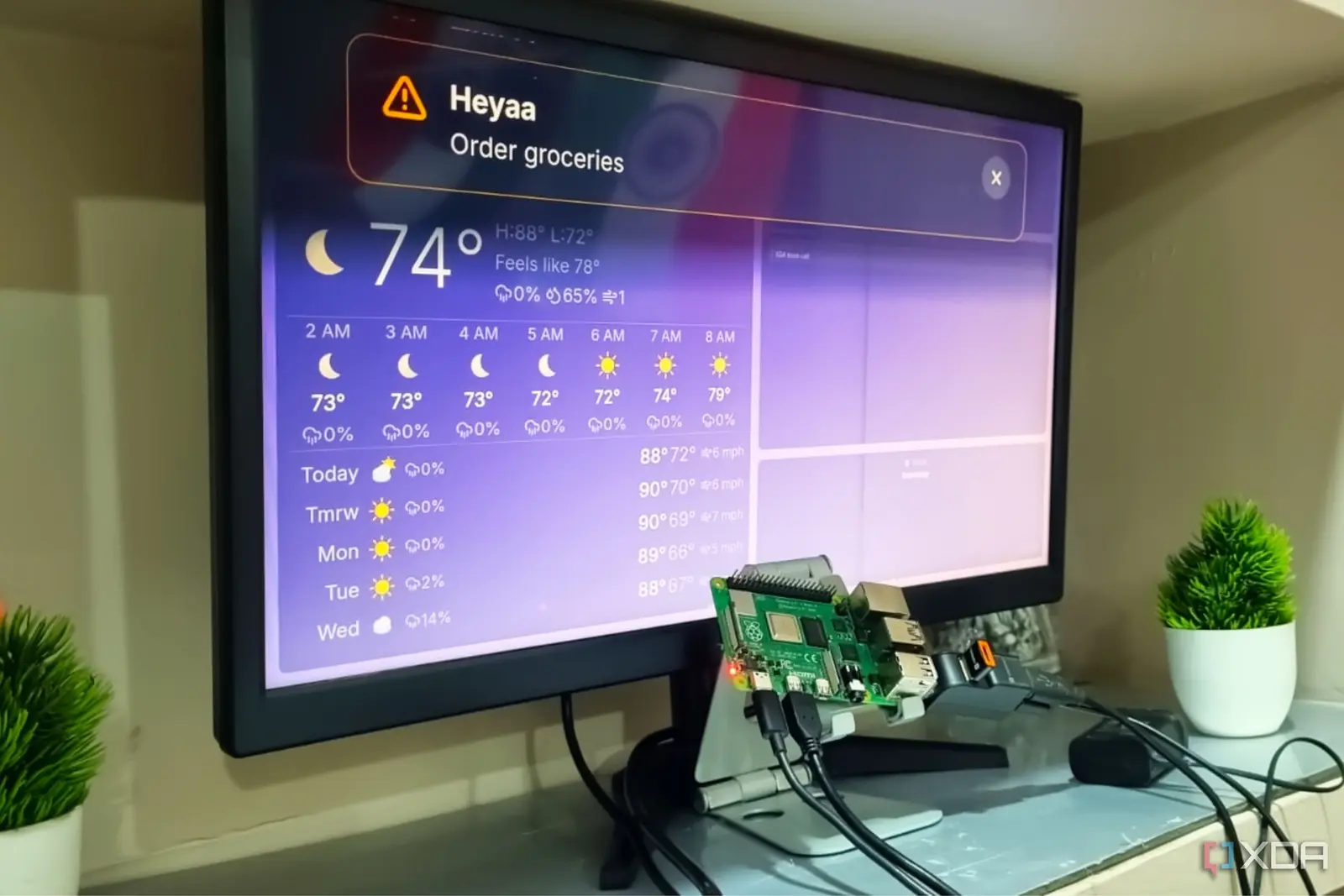 Reviving Old Hardware Into a Smart Household Command Center
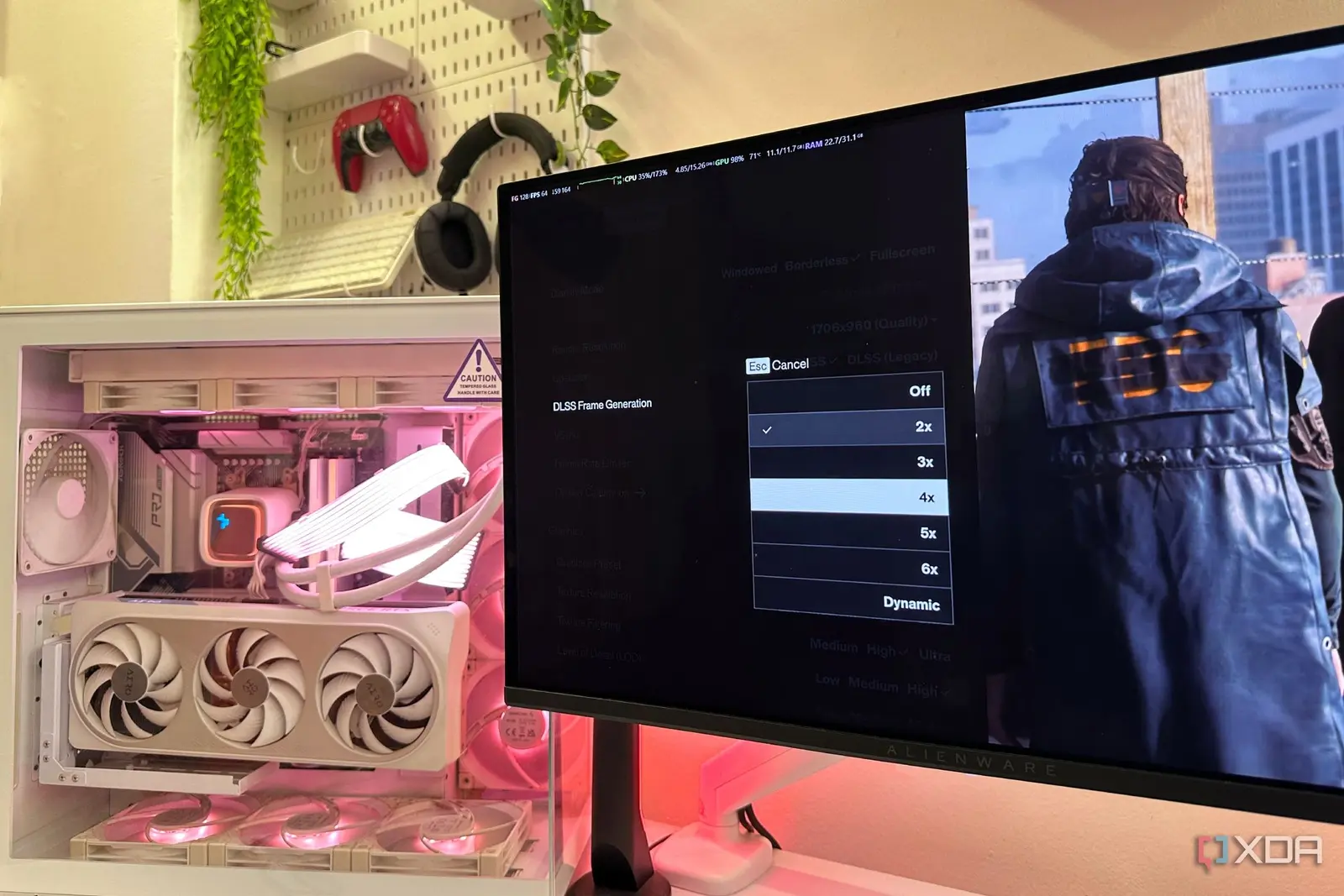 RTX 4070 Ti Owners Find New Performance Paths Without Hardware Upgrades
 Acer Predator Helios Neo 16S AI Receives Significant Price Reduction
The exploit functions by manipulating memory addresses that are typically randomized to prevent malicious code injection. By predicting these locations, attackers gain the ability to execute unauthorized commands directly on the server. Experts note that malicious actors are investing significant resources and computational power into refining this specific attack vector.
Address Space Layout Randomization is a core security feature designed to protect systems from memory corruption attacks. It works by shuffling the locations of key data areas in a program's memory. This makes it difficult for attackers to predict where their malicious code should be placed to take control.
Is Your Server Infrastructure at Risk?
The latest findings prove that these protections are no longer sufficient against sophisticated PHP2 Shell attacks. Researchers at VulnCheck identified that the bypass is highly effective on modern x86-64 architectures. The ease with which this exploit operates suggests that current server configurations are highly vulnerable to compromise.
The ability to bypass these protections transforms a theoretical risk into an immediate operational threat. Once an attacker gains remote code execution, they can steal sensitive data, deploy malware, or hijack server resources. The technical community warns that the complexity of this exploit indicates a high level of sophistication among attackers.
Organizations must now re-evaluate their reliance on memory randomization as a primary defense mechanism. Security teams should prioritize patching PHP environments and implementing additional layers of defense. Without proactive measures, servers remain exposed to persistent threats that can bypass traditional security barriers.
Frequently Asked Questions
What is the primary danger of the PHP2 Shell exploit? The exploit allows attackers to execute unauthorized commands remotely. This can lead to total system compromise and data theft.
Why does this exploit bypass standard security measures? It successfully predicts randomized memory addresses that are meant to stop code injection. This renders standard Address Space Layout Randomization ineffective against this specific threat.
How should administrators respond to this discovery? Administrators should immediately update their PHP environments to the latest versions. They should also monitor server logs for suspicious activity and implement defense-in-depth strategies.
Comments
Leave a comment