
Stolen Credentials Enable Automated PyPI Compromise
Popular open-source tool LiteLLM fell victim to a supply chain attack on October 21. Attackers pushed malicious packages to both PyPI and Docker. The breach affected version 1.107.0 of the routing proxy used across various language model providers.
Latest news
 Is Your PlayStation 5 Plugged Into the Wrong HDMI Port?
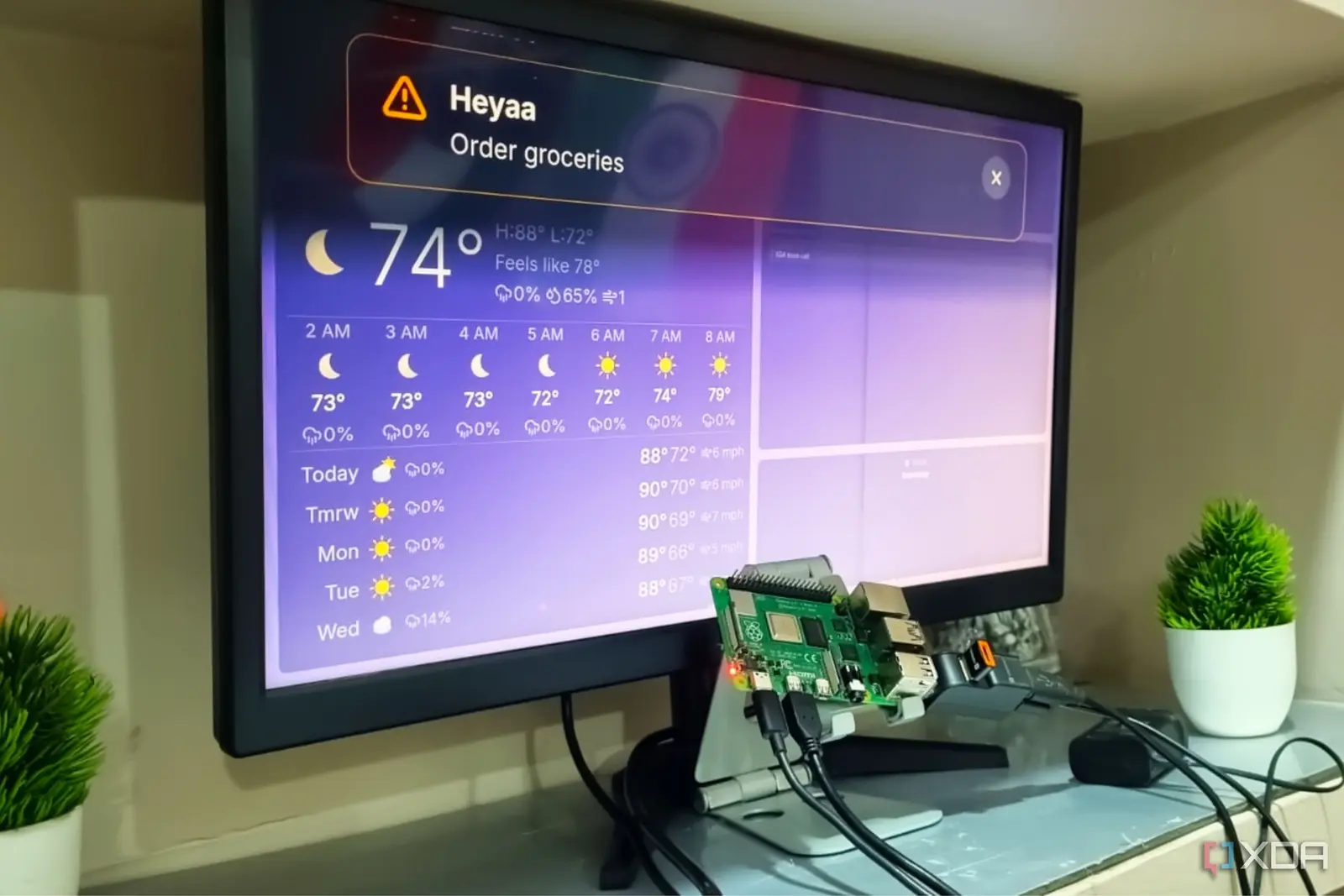 Reviving Old Hardware Into a Smart Household Command Center
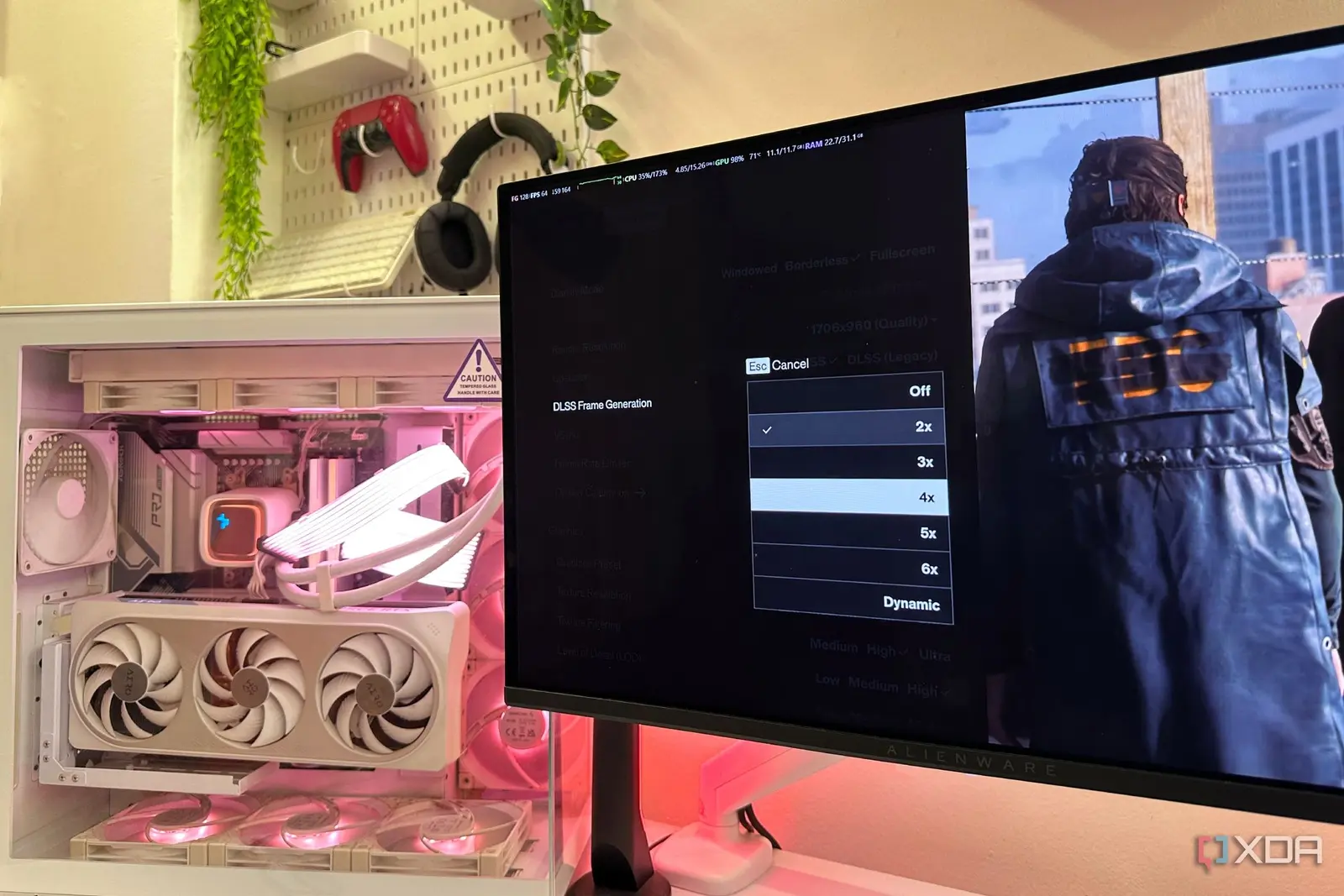 RTX 4070 Ti Owners Find New Performance Paths Without Hardware Upgrades
 Acer Predator Helios Neo 16S AI Receives Significant Price Reduction
Cybercriminals exploited stolen GitHub CLI OAuth tokens to bypass security controls. These tokens allowed them to autonomously push and approve the dangerous code updates without standard human friction. The compromised software remained accessible to unsuspecting developers for approximately three hours before platform administrators removed the files.
Could This Breach Affect Your Production Environments?
LiteLLM serves as a critical bridge for developers routing API requests to multiple large language model providers. The rapid deployment of the unauthorized update highlights vulnerabilities in modern software delivery pipelines. Attackers increasingly target these distribution channels to distribute malicious payloads widely in a short timeframe.
Security researchers estimate that the fraudulent packages were downloaded during the brief window they remained online. The incident underscores the inherent risks associated with automated deployment workflows and third-party package managers. Developers rely heavily on these repositories, making compromised accounts a lucrative entry point for malicious actors.
Organizations utilizing the affected version must immediately audit their systems for unauthorized access or anomalous behavior. Immediate remediation steps include revoking API keys, rotating compromised credentials, and scanning local environments for residual artifacts from the malicious deployment.
Frequently Asked Questions
The security event serves as a stark reminder of the fragile nature of modern software supply chains. Open-source maintainers face mounting pressure to secure authentication mechanisms against sophisticated token-stealing malware. Future updates will likely require stricter multi-factor authentication protocols for automated publishing tools.
Q: Which versions of LiteLLM were compromised in the attack? A: Version 1.107.0 of the open-source proxy tool was targeted and distributed across both PyPI and Docker repositories.
Comments
Leave a comment