
Corporate Plea Triggers State Intervention
GMO Internet Group has formally requested that the Japanese government activate its newly established active cyber defence capabilities. The company made this urgent plea on Saturday following a significant security breach. Attackers compromised one of the firm's digital services and subsequently demanded a ransom payment. This incident marks a critical moment for Tokyo’s evolving cybersecurity strategy.
Latest news
 Is Your PlayStation 5 Plugged Into the Wrong HDMI Port?
 Reviving Old Hardware Into a Smart Household Command Center
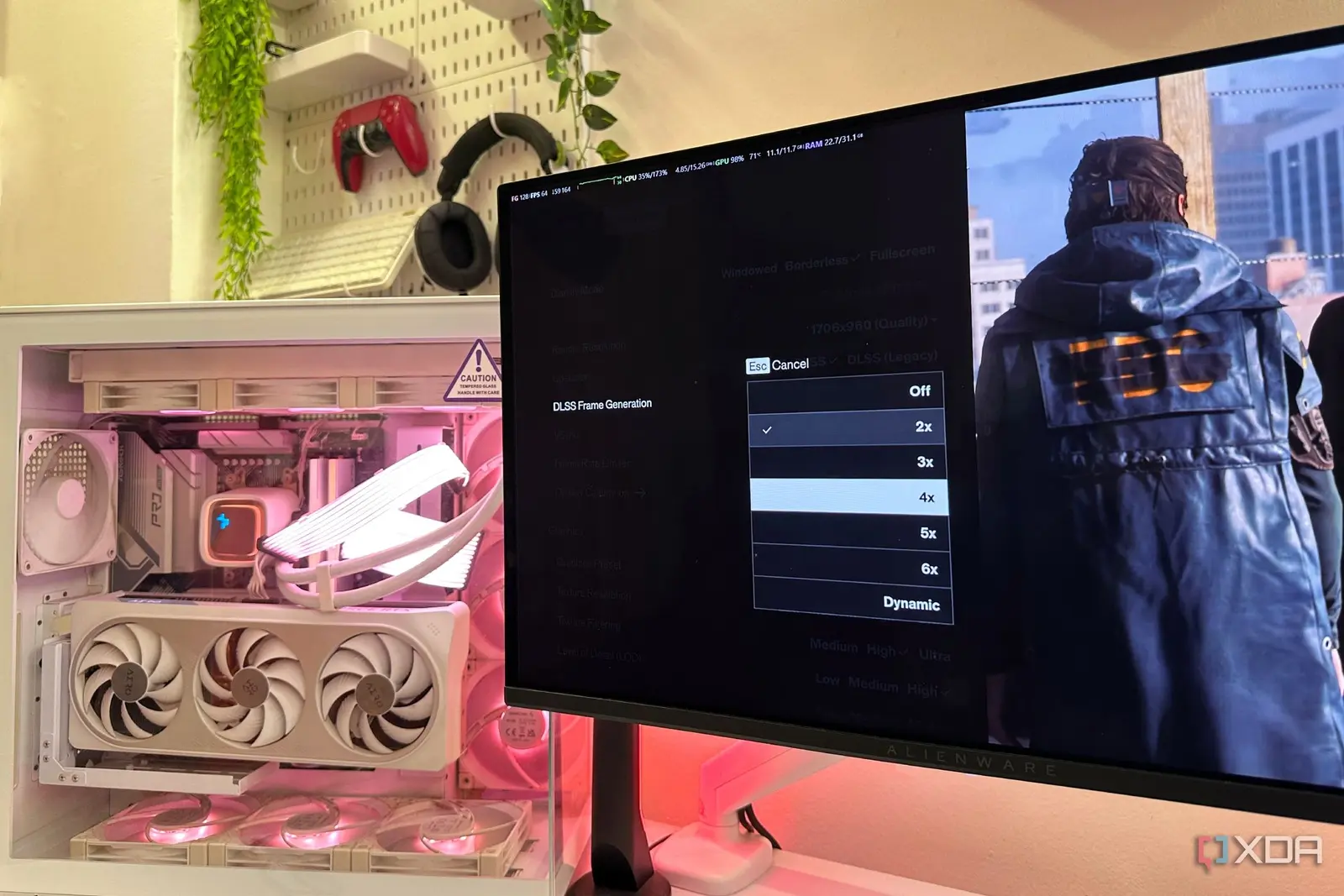 RTX 4070 Ti Owners Find New Performance Paths Without Hardware Upgrades
 Acer Predator Helios Neo 16S AI Receives Significant Price Reduction
The request was disclosed through an official stock exchange filing. GMO explicitly asked state agencies to trace the origin of the attack. They also sought permission to block and neutralise the attackers’ infrastructure. This move highlights the growing tension between private sector vulnerabilities and national security responses. The company aims to leverage state power to protect its assets and clients.
The core of GMO’s request involves the use of offensive cyber tools. Japan recently passed legislation allowing the government to conduct active cyber defence operations. Previously, the state was largely restricted to passive monitoring and defensive measures. The new law permits authorities to disrupt foreign cyber threats before they cause further damage. GMO’s filing represents one of the first major private sector appeals under this framework.
How Does Active Defence Change the Rules?
The attackers targeted specific infrastructure within the company’s network. After gaining access, they issued a financial demand to restore access or avoid data leakage. Such ransomware tactics are increasingly common against large technology providers. GMO’s decision to involve the government signals a shift in corporate strategy. Companies are no longer willing to handle severe breaches in isolation. They now expect state support to mitigate risks and deter future attacks.
This incident tests the practical application of Japan’s new cyber laws. The government must now determine if the threat meets the criteria for state intervention. Factors include the scale of the breach and the potential national security implications. If approved, agencies will work to identify the perpetrators. They will also seek to dismantle the command and control servers used by the hackers.
For the broader tech industry, this sets a precedent. Other firms may feel empowered to seek similar state assistance during crises. However, the process requires careful coordination between private entities and public officials. The goal is to create a unified front against sophisticated cybercriminals. This collaboration could strengthen Japan’s overall digital resilience.
Frequently Asked Questions
The outcome of this request will influence future policy discussions. If successful, it validates the new legal framework. It demonstrates that active defence can be a viable tool for protecting critical infrastructure. Conversely, any delays or failures could prompt calls for even stronger measures. The Japanese government faces pressure to act swiftly and decisively.
What specific action did GMO request from the government? GMO asked state agencies to trace the hackers, block their activities, and neutralise their infrastructure. This request falls under Japan’s new active cyber defence laws.
When was this request made public? The company disclosed the request on Saturday via a stock exchange filing. This followed the initial breach and subsequent ransom demand.
Comments
Leave a comment