GPUThor exposes flaw in Nvidia's ECC defense claims
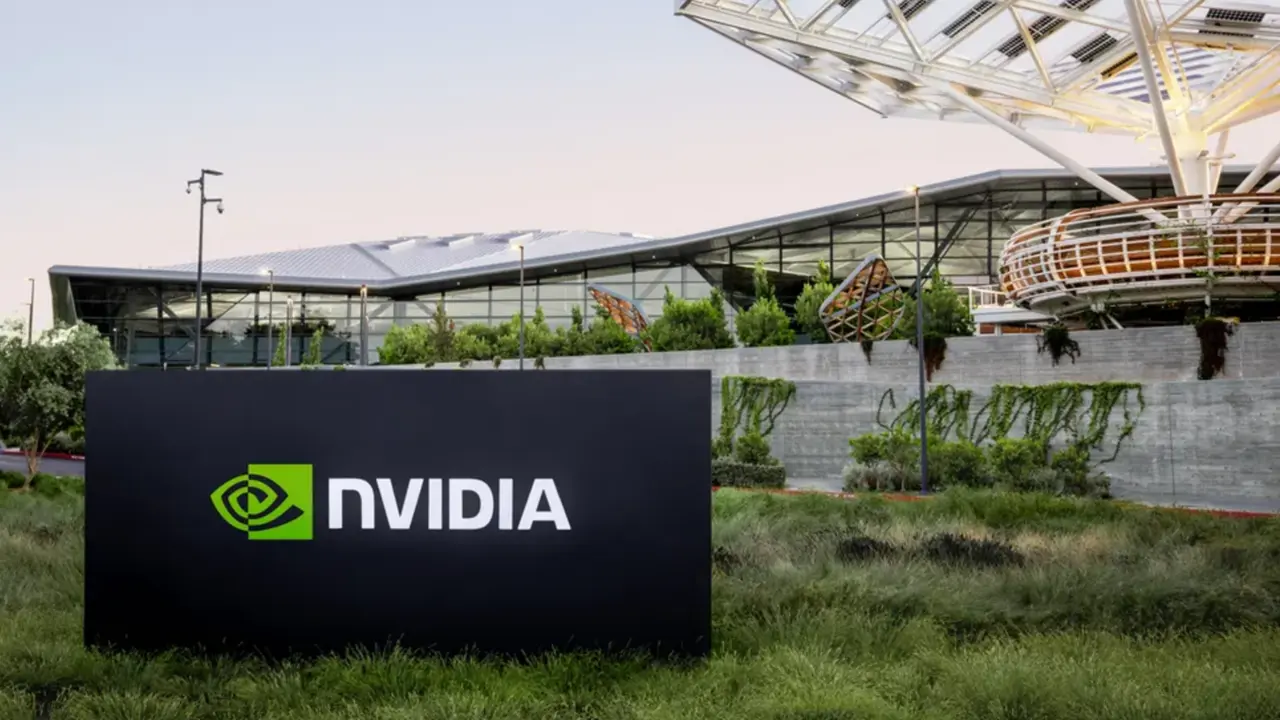
Nvidia spent a year telling people ECC was the answer to GPU Rowhammer. GPUThor tells another story, however (Image credit: Nvidia)
Latest news
 Anthropic Unveils Claude Duet For Background AI Tasks
 Eiliko Creator Hires Independent Security Firm After Flawy Robot Charm Exposed
 Musk Compares Optimus Robot Training to Raising a Toddler
 Atari VCS Software Store Closes in February 2027
Security researchers have identified a new variant of the Rowhammer attack specifically targeting Nvidia workstation GPUs, undermining the company's year-long assertion that Error-Correcting Code memory alone could prevent such exploits. The attack, dubbed GPUThor, demonstrates that even with ECC enabled, certain memory access patterns in high-performance graphics processors can still induce bit flips in adjacent memory rows. This revelation comes after Nvidia promoted ECC as a comprehensive safeguard for professional workloads in data centers and AI training environments. The vulnerability affects multiple generations of Nvidia's RTX and Quadro series GPUs used in scientific computing and machine learning applications.
How does GPUThor bypass ECC protections?
Unlike traditional Rowhammer attacks that target CPU memory, GPUThor exploits the unique memory architecture of GPUs, where high-bandwidth memory (HBM) and unified memory spaces create new attack surfaces. Researchers found that rapid, alternating read/write operations on specific memory regions could overwhelm ECC's correction capabilities, allowing single-bit errors to accumulate into exploitable faults. The attack requires local access to the system but can be triggered through malicious graphics shaders or compute kernels, making it particularly concerning for cloud GPU services and shared workstation environments. Nvidia has acknowledged the findings and is working on firmware updates to mitigate the risk, though a full architectural fix may require hardware changes in future GPU designs.
The discovery signals a shift in how hardware vulnerabilities must be addressed in parallel computing environments, where traditional CPU-centric threat models no longer apply. It raises questions about the adequacy of software-only mitigations for memory-based attacks in GPUs and may prompt a reevaluation of security certifications for professional-grade graphics hardware. For now, Nvidia advises users to apply upcoming security patches and monitor for unusual memory error logs, especially in systems handling sensitive data. The incident underscores that as GPUs evolve into general-purpose processors, their security must keep pace with their expanding role in critical infrastructure.
What does this mean for GPU security moving forward?
Is GPUThor a software vulnerability or a hardware flaw? GPUThor exploits a hardware-level memory behavior in Nvidia GPUs but requires specific software triggers to execute, making it a hybrid vulnerability that depends on both architectural design and execution patterns.
Frequently Asked Questions
Can end-users protect themselves without waiting for a patch? Users should avoid running untrusted GPU code, such as unverified shaders or compute programs, and enable memory error monitoring where available to detect early signs of exploitation.
Will this affect consumer gaming GPUs? The current findings focus on workstation and data center GPUs with ECC support; consumer gaming cards typically lack ECC and were not part of the tested scope, though similar principles may warrant future investigation.
Comments
Leave a comment