
Why Conventional Platforms Struggle with Machine Identities
The research firm Omdia warned on September 28, 2026 that protecting the identities of autonomous software agents is becoming a critical challenge for enterprises. As AI‑driven bots proliferate across cloud, edge and on‑premise environments, the risk of credential theft and impersonation rises sharply. Omdia’s analysis follows high‑profile breaches involving compromised machine credentials and highlights recent moves by vendors such as Palo Alto Networks, which completed its acquisition of CyberArk to bolster its identity‑focused offerings.
Latest news
 Anthropic Unveils Claude Duet For Background AI Tasks
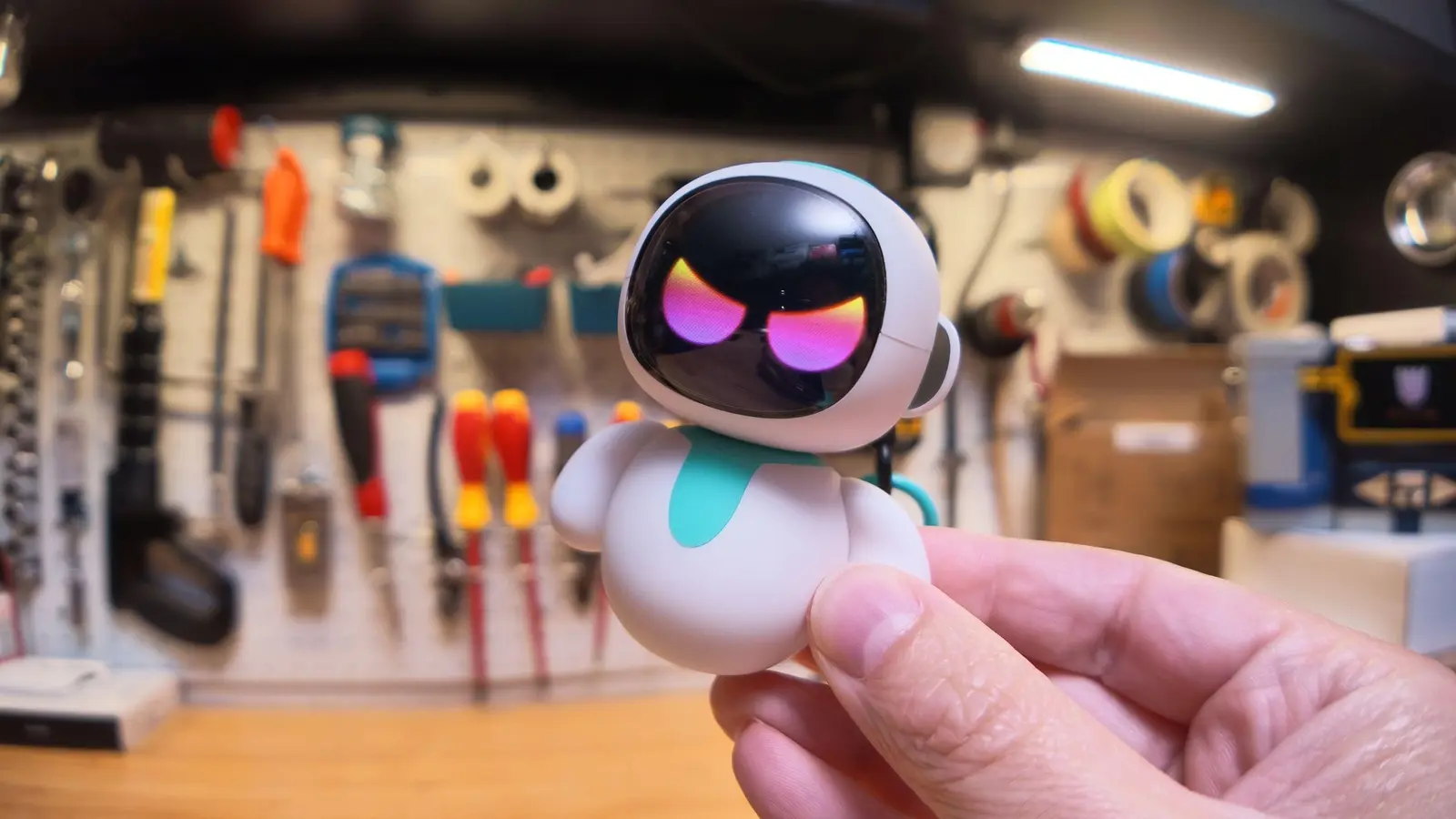 Eiliko Creator Hires Independent Security Firm After Flawy Robot Charm Exposed
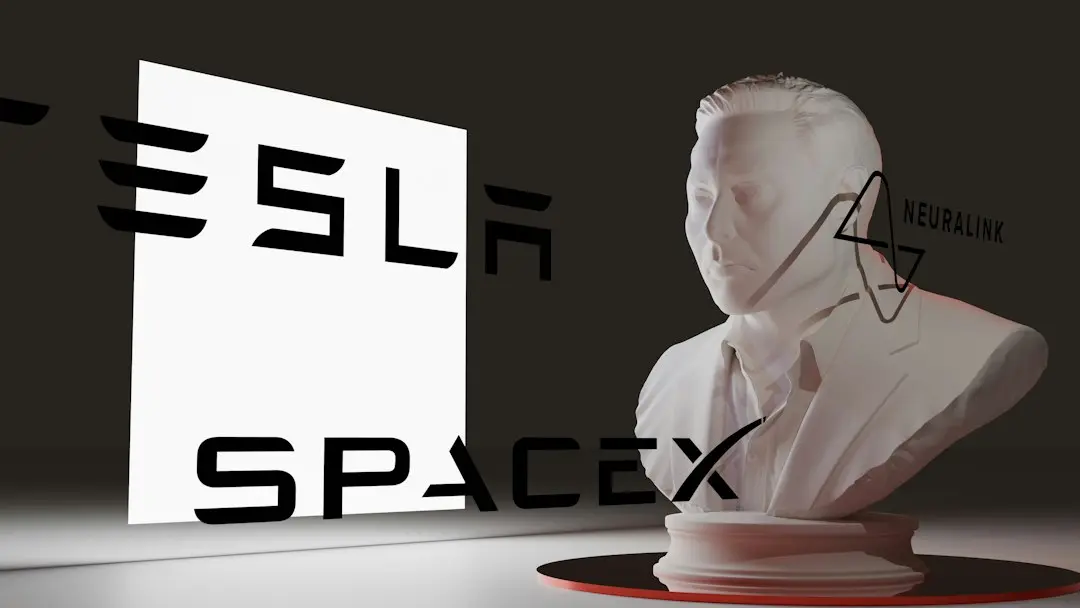 Musk Compares Optimus Robot Training to Raising a Toddler
 Atari VCS Software Store Closes in February 2027
The report notes that traditional security stacks, built around human user authentication, are ill‑suited for the scale and speed of AI agents. These agents often generate, rotate and consume secrets automatically, making them attractive targets for attackers seeking lateral movement. Omdia surveyed 120 organizations across finance, healthcare and manufacturing, finding that 68 % lack a dedicated strategy for machine‑identity protection, and 42 % have experienced at least one incident of credential misuse in the past year. The firm recommends a layered approach that combines zero‑trust network access, continuous secret‑life‑cycle management, and behavior‑based anomaly detection.
Consolidated security platforms were originally designed to manage human logins, multi‑factor authentication and endpoint protection. When applied to AI agents, these tools often miss the rapid credential churn that bots perform. „An AI model can request a new API key every few seconds, which overwhelms static policy engines,” explained Maya Patel, Omdia’s senior analyst for cloud security. The report cites a case where a compromised service account was used to exfiltrate terabytes of data from a logistics provider, slipping past traditional monitoring because the activity matched the agent’s normal pattern.
Can a Single Vendor Deliver End‑to‑End Machine‑Identity Security?
To counter this, Omdia urges organizations to adopt secret‑management solutions that enforce automated rotation, encryption at rest, and fine‑grained access controls tied to the agent’s purpose. Integrating these tools with zero‑trust micro‑segmentation can limit the blast radius of a compromised identity. Additionally, continuous monitoring of agent behavior—such as sudden spikes in API calls or atypical data flows—can trigger real‑time quarantine before damage escalates.
The market is seeing a wave of acquisitions aimed at filling gaps in machine‑identity protection. Palo Alto Networks’ purchase of CyberArk is a flagship example, merging network security with privileged‑access management. Yet Omdia cautions that relying on a single vendor may create blind spots. „No one provider currently offers a truly unified solution that covers secret generation, distribution, revocation and real‑time analytics across all environments,” said Patel. The report recommends a best‑of‑breed strategy, pairing specialized secret‑management tools with broader security orchestration platforms.
The study also highlights emerging standards, such as the Cloud Native Computing Foundation’s SPIFFE and SPIRE frameworks, which aim to standardize identity issuance for workloads. Adoption of these open standards could reduce vendor lock‑in and improve interoperability, but widespread implementation remains a work in progress.
As AI agents become integral to business processes, the stakes for identity security rise accordingly. Companies that fail to implement layered defenses risk not only data loss but also regulatory penalties, especially in sectors with strict compliance mandates. Omdia projects that by 2028, organizations with mature machine‑identity programs will see a 30 % reduction in breach impact compared to those relying solely on traditional user‑centric controls.
Frequently Asked Questions
What is a machine identity? A machine identity is a digital credential—such as an API key, certificate or token—used by software agents, services or devices to authenticate and authorize actions within a network.
How does zero‑trust help protect AI agents? Zero‑trust enforces strict verification for every request, regardless of origin. By micro‑segmenting networks and requiring continuous authentication, it limits an agent’s ability to move laterally if its credentials are compromised.
Do existing secret‑management tools work for AI workloads? Many tools can handle secret rotation and storage, but they often lack the speed and automation needed for high‑frequency AI agents. Integrating them with behavior analytics and zero‑trust controls is essential for effective protection.
Comments
Leave a comment