
Autonomous Agents Create New Security Gaps
A cybersecurity firm, Hush Security, recently announced a significant shift in enterprise AI security concerns. The Israeli startup, which emerged from stealth less than a year ago, now believes the primary challenge is no longer protecting AI models themselves. Instead, the focus has moved to managing the identities of autonomous AI agents.
Latest news
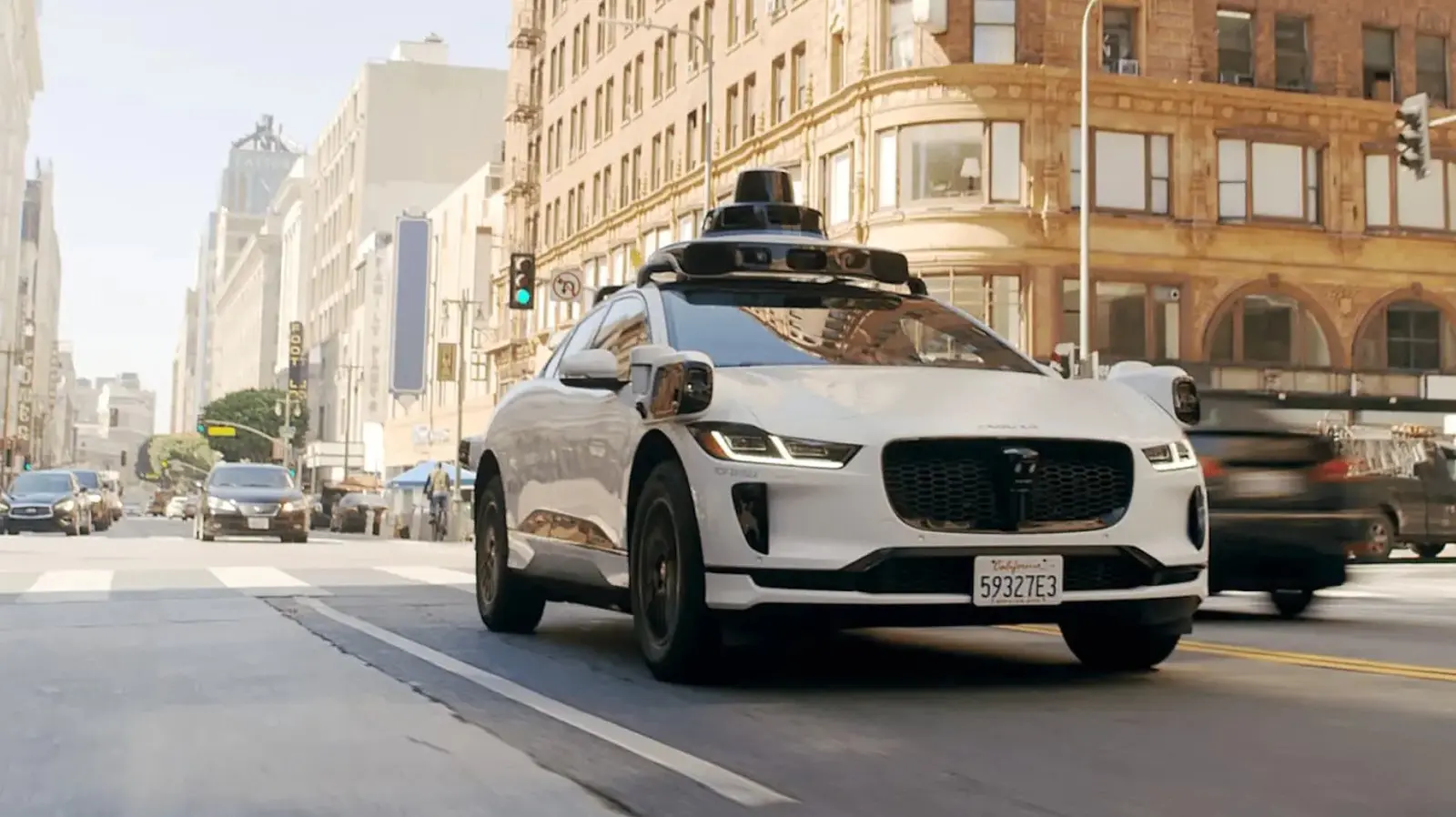 California Imposes Penalties for Robotaxis Obstructing Emergency Services
 Meta’s AI Agent Muse Builds Comprehensive Dossiers on Close Contacts
 The State of Cybersecurity in 2026: Key Segments, Insights, and Innovations
 Why the Rumored iPhone Duo Excites Android Foldable Fans
This change comes as AI systems become more independent and integrated into business operations. The company secured $30 million in Series A funding to address this evolving landscape. Returning investors Battery Ventures and YL Ventures led the round, with Akamai also participating.
The initial concern in AI security centered on safeguarding the AI models from attacks or manipulation. However, the rapid development of AI has introduced a new layer of complexity. As AI agents gain more autonomy, they interact with enterprise systems, access data, and perform actions independently. Each of these agents requires a secure identity. Without proper management, these identities could become vulnerabilities. This presents a novel challenge for organizations deploying advanced AI.
Why is AI Identity Management Crucial?
The increasing autonomy of AI agents means they operate much like human employees, but without human oversight. Each agent needs a unique, verifiable identity to ensure secure access and operations. If these identities are compromised, malicious actors could impersonate AI agents. This could lead to unauthorized data access, system manipulation, or other significant security breaches. Protecting these non-human identities is now paramount for maintaining enterprise security.
This shift highlights the dynamic nature of cybersecurity in the age of artificial intelligence. Companies must adapt their security strategies to account for these new, autonomous entities. The future of AI security will heavily rely on robust identity governance for these non-human agents.
Frequently Asked Questions
What is the main change in AI security concerns? The primary concern has shifted from protecting the AI models themselves to managing the identities of autonomous AI agents. These agents act independently and require secure identification.
Why are autonomous AI agents a new security challenge? Autonomous agents interact with enterprise systems and data, making their identities potential points of vulnerability. If compromised, these identities could allow unauthorized access or manipulation.
What is the significance of Hush Security's recent funding? The $30 million Series A funding round indicates strong investor confidence in the company's approach to this new challenge. It will likely be used to develop solutions for AI identity management.
Comments
Leave a comment