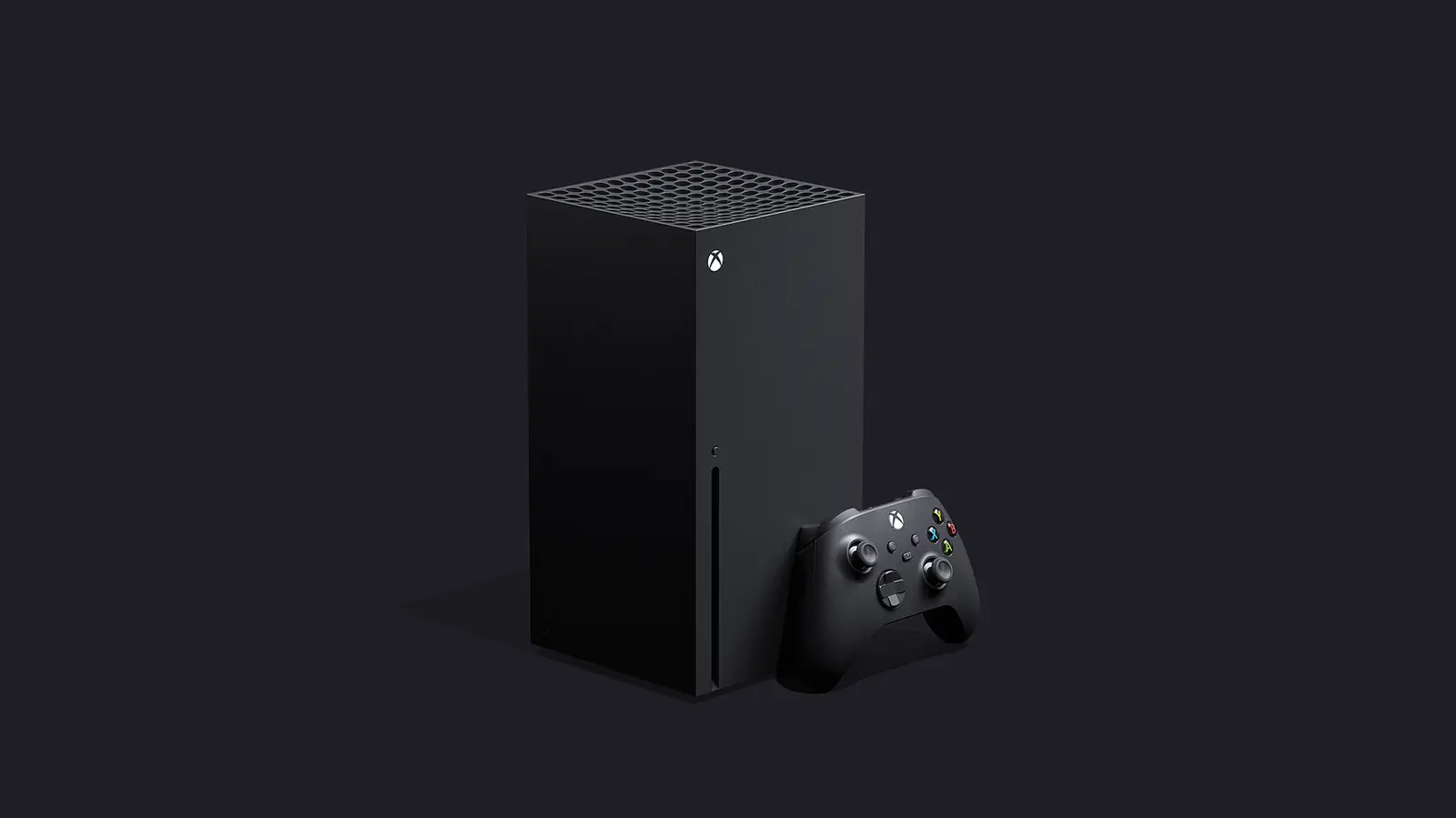
RDNA Architecture Bridges Console and Desktop Divide
AMD's Radeon RX 7900 XTX delivers performance comparable to the Xbox Series X console, according to recent analysis. The comparison highlights how modern gaming hardware has converged between PCs and consoles over the past decade. Microsoft's latest console uses custom AMD silicon based on RDNA 2 architecture.
Latest news
 NASA Eyes Revival of SR‑71 Blackbird
 My Home Wi‑Fi Was Crowded by 14 Neighbors—A Free App Helped Me Find a Clear Channel
 YouTube is tightening rules for low-effort Shorts
 Google releases Android 17 QPR 3 Beta 1 for testing
The shift toward shared components represents a dramatic change from earlier gaming generations. Original Xbox and PlayStation systems relied on specialized processors designed exclusively for gaming. Today's consoles utilize modified versions of standard PC graphics technology. This evolution has made performance comparisons more straightforward for consumers. AMD's mainstream graphics cards now offer console-level capabilities that were previously impossible to achieve in home PCs.
Microsoft collaborated closely with AMD to develop the Xbox Series X's custom GPU. The console features 52 compute units running at 1.825 GHz, delivering approximately 12 teraflops of raw performance. AMD's Radeon RX 7900 XTX matches this output through 6176 stream processors operating at higher clock speeds. Both systems support advanced features including ray tracing acceleration and variable rate shading. The underlying RDNA 2 architecture provides similar efficiency characteristics across both platforms. AMD's decision to license console-grade technology to desktop markets reflects changing industry dynamics where differentiation comes through software optimization rather than pure hardware specifications.
Can PC Gamers Expect Better Performance?
PC implementations typically exceed console capabilities through superior cooling solutions and higher power budgets. Enthusiasts can push AMD's flagship graphics cards beyond stock performance using overclocking techniques unavailable in sealed console designs. However, most consumers benefit from plug-and-play simplicity that consoles provide. Game developers optimize titles specifically for known hardware configurations, ensuring consistent frame rates and visual quality. AMD continues advancing its roadmap with RDNA 4 technology promising even greater performance gains. The company's upcoming releases will likely maintain competitive pressure against next-generation console hardware.
Looking ahead, AMD's trajectory suggests continued convergence between gaming ecosystems. Future graphics innovations will probably emphasize cross-platform compatibility while maintaining distinct advantages for each market segment.
Frequently Asked Questions
Does the Radeon RX 7900 XTX beat the Xbox Series X? The RX 7900 XTX generally matches or slightly exceeds Xbox Series X performance in most gaming scenarios, though results vary depending on specific titles and resolution settings.
Why do consoles use AMD graphics? AMD offers compelling price-performance ratios and existing relationships with console manufacturers, making their technology attractive for mass-market gaming devices requiring cost-effective high-performance graphics.
Will PC graphics always outperform consoles? High-end PC components typically surpass console capabilities, but mid-range systems increasingly match console performance while offering upgrade flexibility and broader software compatibility.
Comments
Leave a comment