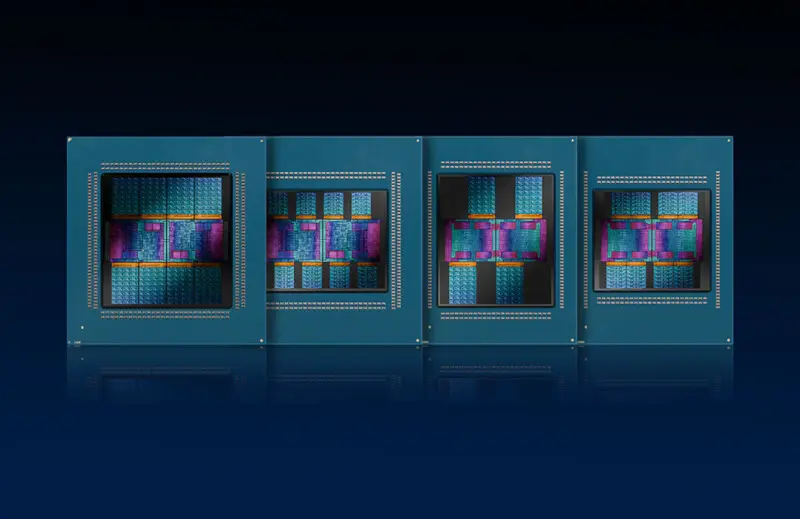
Unveiling the Zen 6 Architecture Shift
AMD is preparing to launch its Venice Epyc processors, marking a massive leap in server performance. This new architecture represents the most significant design change since the Rome platform debuted in 2019. The chips feature up to 256 cores and run at high clock speeds. They target data centers handling heavy workloads. The release signals a major shift in how enterprises manage compute resources globally.
Latest news
 Why the Rumored iPhone Duo Excites Android Foldable Fans
 AMD's Canceled Ryzen 9 5900X3D Leaks Online
 California Subpoenas OpenAI Over Autonomous AI Hacking Risks
 Nvidia-Backed UK Supercomputer Faces Multi-Year Power Delay
The Venice lineup introduces sixteen channels of DDR5 memory per socket. This configuration allows for vastly higher bandwidth than previous generations. The chips also support CXL 3.1 memory expansion, a technology that treats remote memory like local storage. Clock speeds reach up to 5 GHz, ensuring fast single-threaded performance. These specifications aim to balance raw throughput with low latency for critical applications.
AMD’s Venice platform builds on the Zen 6 microarchitecture. This foundation supports a broad range of computing needs. It covers general-purpose servers, high-performance computing clusters, and AI inference tasks. The company plans to extend this architecture to consumer platforms later. However, AMD has not yet disclosed every technical detail. Some specifications remain under wraps until official launch events. The strategy focuses on offering the widest CPU portfolio in the industry’s history.
Why Memory Bandwidth Matters More Than Ever
The move toward CXL 3.1 support is particularly noteworthy. Compute Express Link technology allows servers to pool memory across multiple nodes. This creates what experts call „memory god boxes.”Such systems can handle massive datasets without swapping to slower storage. For AI training and large-scale simulations, this capability reduces bottlenecks significantly. The sixteen-channel DDR5 setup further enhances data flow between the processor and memory modules.
Modern applications are increasingly data-hungry. Traditional server designs often struggle to keep cores fed with information. Venice addresses this by maximizing memory bandwidth. High core counts require efficient data delivery to avoid idle cycles. The combination of high clocks and wide memory interfaces ensures sustained performance. Analysts suggest this approach will dominate enterprise procurement decisions soon. Companies seeking efficiency gains will likely prioritize these new platforms.
Frequently Asked Questions
How many cores does the Venice Epyc support? The top-tier Venice Epyc chips feature up to 256 cores. This represents a substantial increase over previous Epyc generations. It targets complex parallel processing workloads effectively.
What memory standard does the new chip use? Venice supports sixteen channels of DDR5 memory per socket. It also includes support for CXL 3.1 memory expansion. This dual approach maximizes both speed and capacity flexibility.
When will consumer versions arrive? AMD plans to bring the Zen 6 architecture to consumer platforms eventually. The exact timeline for desktop releases has not been finalized yet. Enterprise customers will receive the new chips first.
Comments
Leave a comment