To assess real-world accuracy
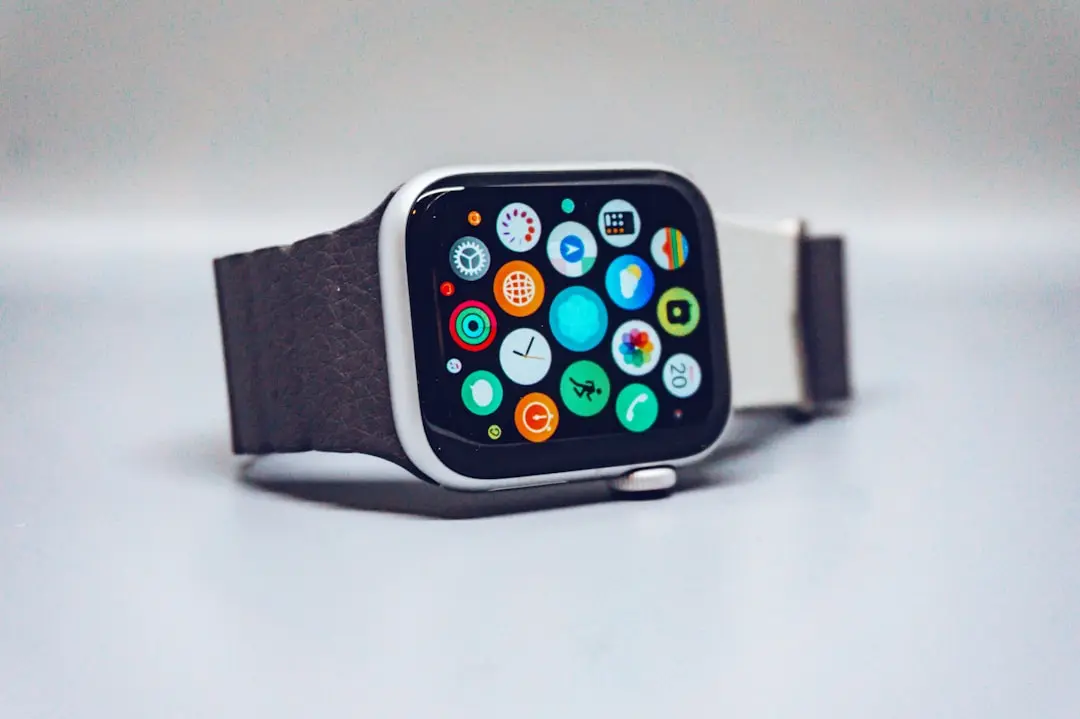
Tech reviewer Rob ter Horst from The Quantified Scientist evaluates Apple’s latest wearable health tracking upgrade by comparing its continuous heart rate monitoring to a clinical ECG chest strap during everyday use and light exercise. The Apple Watch Series 12 features a completely redesigned heart rate sensor that now takes measurements every five seconds, even when the wearer is at rest, marking a significant shift from previous models that only increased sampling during detected activity.
Latest news
 California Imposes Penalties for Robotaxis Obstructing Emergency Services
 Meta’s AI Agent Muse Builds Comprehensive Dossiers on Close Contacts
 The State of Cybersecurity in 2026: Key Segments, Insights, and Innovations
 Why the Rumored iPhone Duo Excites Android Foldable Fans
To assess real-world accuracy, ter Horst wore both the Apple Watch and a Polar H10 chest strap simultaneously while performing routine tasks and controlled movement, recording data over multiple sessions to compare consistency and responsiveness. How the New Sensor Handles Resting Heart Rate Tracking Unlike earlier versions that relied on motion triggers to boost heart rate sampling frequency, the Series 12 maintains a steady five-second interval throughout the day, aiming to capture subtle cardiovascular changes during periods of inactivity. ter Horst noted that during seated rest, the watch’s readings remained within one to two beats per minute of the Polar H10 baseline in over 80% of samples, suggesting improved reliability for passive monitoring.
However, brief discrepancies occurred during sudden posture changes
However, brief discrepancies occurred during sudden posture changes, where the wrist-based sensor lagged slightly behind the chest strap’s immediate electrical signal detection. Can Wrist-Based Sensors Ever Match Chest Strap Precision? While the Apple Watch Series 12 shows meaningful progress in continuous heart rate tracking, ter Horst emphasized that optical sensors on the wrist still face inherent limitations due to blood flow variability, skin tone, tattoo interference, and motion artifacts—factors that minimally affect electrode-based chest straps. He concluded that although the device is now suitable for trend analysis and general wellness insights, users requiring medical-grade accuracy—such as those managing arrhythmias—should still rely on validated clinical equipment for critical measurements. Frequently Asked Questions Does the Apple Watch Series 12 heart rate sensor work during sleep?
Yes, the sensor continues to take readings every five seconds throughout sleep, enabling detailed nighttime heart rate variability and resting rate analysis when paired with compatible health apps. Is the five-second interval customizable by the user? No, Apple has fixed the sampling rate at five seconds for all heart rate measurements in the Series 12, whether active or inactive, to balance data richness with battery life. How does skin tone affect the sensor’s performance? Like all optical heart rate sensors, accuracy may decrease on darker skin tones or tattoos due to light absorption and scattering, though Apple states it has improved its algorithms to mitigate this across a broader range of skin types.
Comments
Leave a comment