
The Mechanics of Midnight Recruitment
Job seekers are increasingly facing automated artificial intelligence interviews as the initial hurdle in the hiring process. Because these systems operate without human oversight, candidates now frequently schedule their screening sessions at unconventional hours. It is becoming common for applicants to complete these digital evaluations as late as one in the morning.
Latest news
 Anthropic Unveils Claude Duet For Background AI Tasks
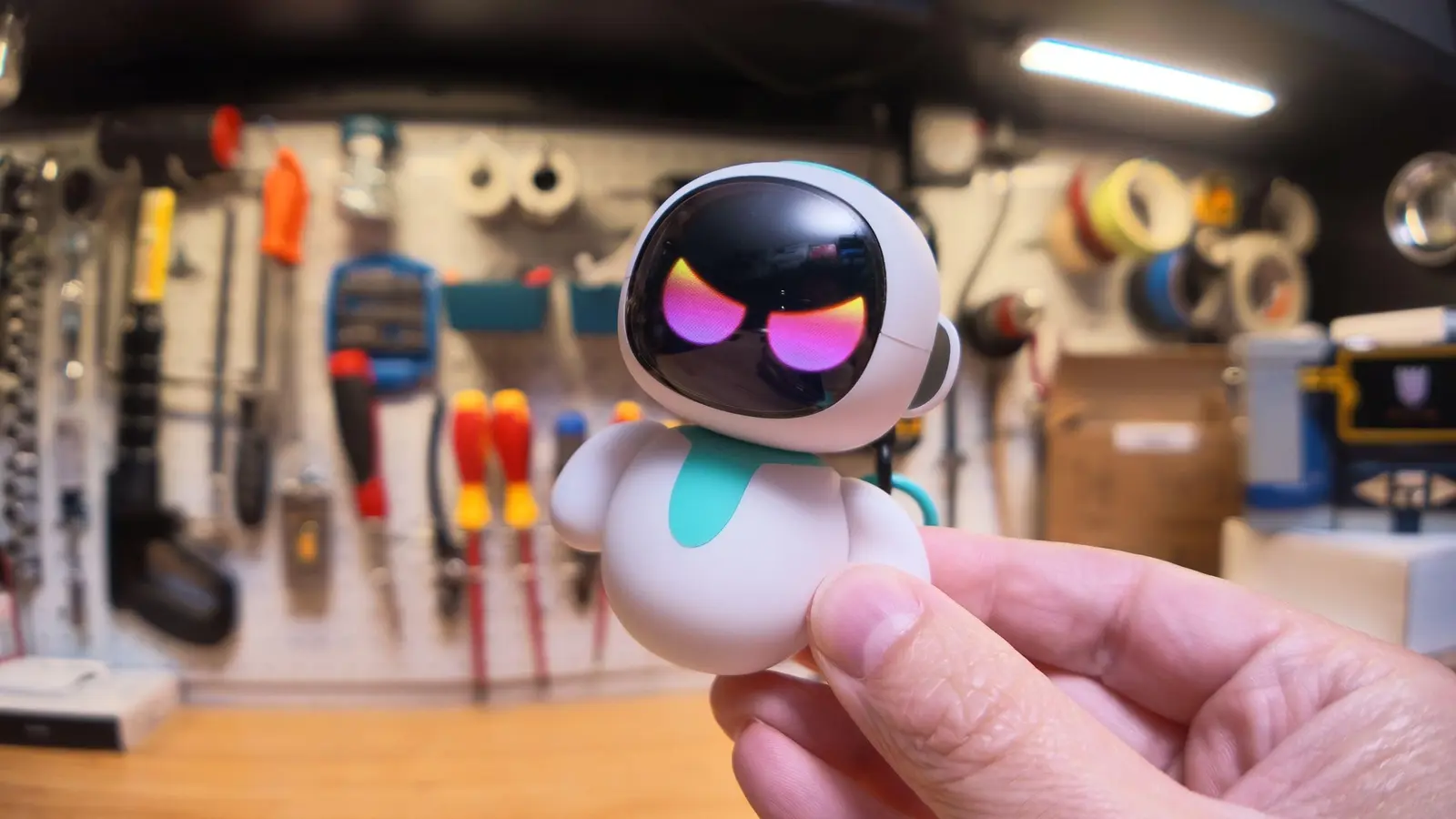 Eiliko Creator Hires Independent Security Firm After Flawy Robot Charm Exposed
 Musk Compares Optimus Robot Training to Raising a Toddler
 Atari VCS Software Store Closes in February 2027
This transition marks a departure from traditional recruitment, where scheduling conflicts often delayed progress. By removing the need for a live interviewer, companies can process high volumes of applicants around the clock. Candidates, in turn, utilize this flexibility to fit assessments around their existing work schedules or personal commitments.
The technology relies on algorithms to analyze responses, facial expressions, and tone of voice. These platforms record candidate answers to pre-set questions, allowing hiring managers to review the footage at their convenience. This asynchronous format eliminates the logistical burden of coordinating time zones or finding mutually available meeting slots.
Is Human Connection Becoming Obsolete?
For many applicants, the pressure of a late-night interview is offset by the comfort of their own environment. Without a human present to judge them in real-time, some report feeling less anxious. However, the lack of human interaction also means candidates cannot ask clarifying questions or gauge the company culture during the initial screening.
While these AI tools streamline the early stages of recruitment, they raise questions about the future of professional assessment. Critics worry that relying on software to filter talent might overlook nuanced skills that only a human interviewer could identify. Furthermore, the absence of a live conversation may hinder a candidate’s ability to build rapport with potential employers.
As businesses continue to adopt these automated systems, the nature of the job search is fundamentally changing. While efficiency is the primary driver, the long-term impact on hiring quality remains to be seen. Companies must now balance the convenience of AI with the necessity of genuine human connection to ensure they attract the right talent.
Frequently Asked Questions
Why are companies choosing AI interviews over human ones? Automated interviews allow firms to screen large numbers of applicants simultaneously without scheduling conflicts. This reduces the administrative workload for recruitment teams and speeds up the initial hiring phases.
Do candidates have to participate in these interviews at night? No, the scheduling is entirely flexible. Candidates choose the time that suits them best, which often results in sessions occurring outside of standard business hours.
What happens to the data collected during these sessions? The AI records the candidate's responses and analyzes them based on specific criteria set by the employer. Hiring managers then review these recordings and data points to decide which applicants move forward.
Comments
Leave a comment