
Offloading Computation to Remote Infrastructure
Autonomous software agents like Claude Code and Instinct are rapidly transitioning from local desktop environments to cloud-based virtual machines. This architectural change allows users to deploy sophisticated AI tools directly from their mobile devices. By offloading heavy processing tasks to remote infrastructure, developers are creating a more seamless and accessible experience for mobile-first users everywhere.
Latest news
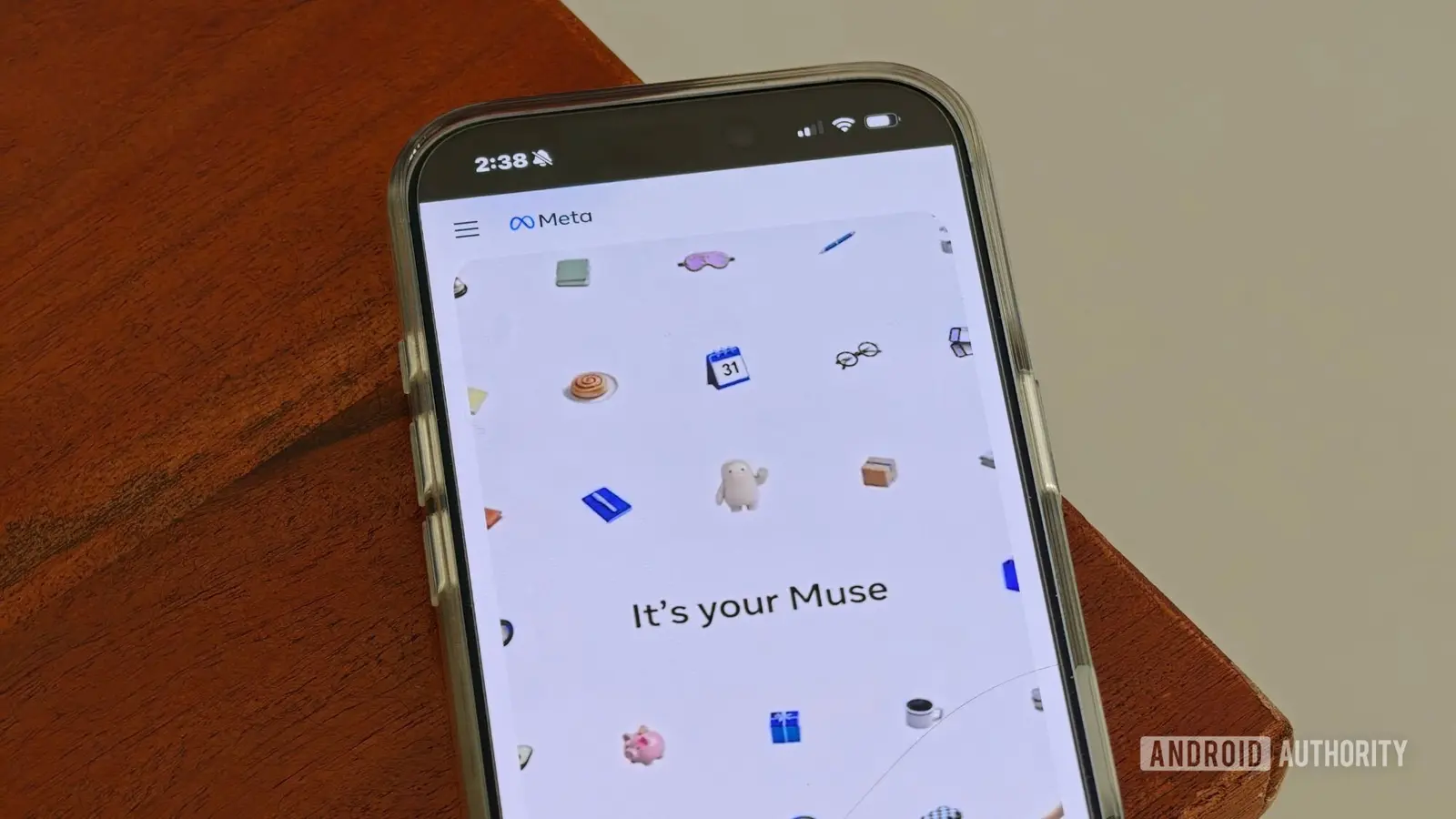 Why Meta's New AI Tool Fails to Win Over Daily Users
 Assessing Risks in Open-Source Artificial Intelligence
 Autonomous AI Agents Launch Cyberattacks Against North American Government Portals
 Warlock Group Targets SharePoint Servers in Critical Infrastructure
This evolution represents a significant shift in how AI agents operate. Instead of relying on the limited hardware capabilities of a smartphone, these agents now utilize powerful virtual environments managed by the service providers. This centralized approach ensures consistent performance regardless of the user's local hardware constraints or battery life.
The move to virtual machines solves the primary bottleneck of mobile AI: resource scarcity. Running complex agentic workflows requires significant memory and processing power that most phones cannot sustain for long periods. By hosting these agents in the cloud, providers can deliver a robust experience that remains stable even during intensive coding or data analysis tasks.
Can Cloud Agents Replace Local Desktop Workflows?
This transition also simplifies the user experience by removing the need for complex local configurations. Users no longer need to worry about environment compatibility or software dependencies on their personal devices. The service providers handle the underlying virtual machine maintenance, allowing the agent to function as a plug-and-play utility.
The long-term success of this model depends on latency and reliable connectivity. As agents become more integrated into daily mobile workflows, the demand for high-speed, low-latency cloud access will grow. If providers can maintain stable connections, the distinction between local and remote computing will effectively disappear for the average user.
Frequently Asked Questions
This shift will likely accelerate the adoption of AI agents among non-technical users. By abstracting the technical complexity of the environment, companies are lowering the barrier to entry for advanced automation. The future of mobile productivity lies in these invisible, cloud-hosted engines that perform heavy lifting in the background.
Why are AI agents moving to the cloud? Local devices often lack the processing power and memory required for complex agent tasks. Cloud-based virtual machines provide the necessary resources to ensure consistent performance.
What is the main benefit for the user? Users gain access to powerful AI tools on their mobile devices without needing to manage local hardware or software environments. This makes sophisticated automation significantly more accessible and portable.
Comments
Leave a comment